Track Twitter Mentions
Social Media Marketing, Technology

Track Twitter Mentions: Strategies to Boost Customer Engagement

Social media platforms like Twitter have made it easy for businesses to keep their audience connected, create brand awareness, and add value to existing customers in this digital age. Twitter boasts over 396 million users from around the globe and serves as the perfect platform for businesses to engage their customers in real-time conversation while following trends by paying attention to customer needs. One of the best ways to engage with Twitter in a business marketing strategy would be tracking Twitter mentions. Knowing what people are saying about your brand will give you valuable insight into how to increase customer satisfaction and engagement within your business.

In this article, we will examine the importance of tracking mentions on Twitter, ways to discover new strategies for enhancing customer engagement, and tools that can keep you up to date with all Twitter activity.

Why Track Twitter Mentions?

One of the most integral aspects that make a successful social media strategy is tracking Twitter mentions. It fulfills the need to react when someone mentions the brand, as it will help you to get in touch with a customer, resolve his problem, or even thank them for following your work. These are a few reasons why tracking Twitter mentions would best serve your business:

  • Real-Time Feedback: Twitter is a fast-paced platform that provides real-time conversations. Tracking Twitter mentions lets you discover what customers have to say about your brand, products, or services. This allows you to quickly resolve issues and thus improve customer experience.
  • Build Relationships: Engaging users who mention your brand goes a long way in building a solid bond. Compliment, complaints, or question-answering indicates that you hold their input in high regard and that you want to serve them excellently.
  • Monitor Brand Reputation: Twitter mentions help you monitor a brand’s reputation. Amplify positive mentions and rectify negative ones before they escalate.
  • Identify Influencers: By tracking mentions on Twitter, you can identify influencers or advocates of the brand who are talking about your business. Collaborating with them will reach a large audience, increasing your credibility.
  • Stay Ahead of Trends: Twitter trends normally reflect what is happening across the world. Keeping an eye on mentions keeps you in the loop on what’s trending and allows you to shape your content strategy accordingly.

Strategies to Boost Customer Engagement by Tracking Twitter Mentions

Measuring Twitter mentions is the basis on which to develop strategies for encouraging customer engagement. Here are some ways to engage your customers more productively:

1. Respond Soon Enough to Mentions

In such instances, the wittiest response must be applied to the customer who is in touch on social media in an online tweet. No matter what the context is: a question, a complaint, or a compliment, simply acknowledging the mention shows that you’re really listening and that you care about your customers. Get Twitter marketing tools and set alerts for mentions so that you’ll never miss a moment of opportunity to engage.

2. Personalize Your Responses 

Internet communication has now become robotic, and it isn’t very kind of them. But at least make an effort to reply personally to a specific customer’s concern or comment. That small effort could make a huge difference in keeping someone with your company, especially in encouraging and developing trust and loyalty.

3. Capitalize on Twitter Trends

You will always be up to date with Twitter trends that very much relate to your audience. If the brand were to be discussed in relation to something currently trending, then it would be wise to take part in that serendipity to create high visibility for your brand and a sense of community between users.

4. Engage Twitter Hashtag Analysis Tools 

Hashtags increase the reach of your tweets significantly. First and foremost, let Twitter hashtag analytics help you examine popular hashtags in your industry so that you can include them in your content as well. This will help you track such mentions specific to particular campaigns or topics.

5. Use Influence Engagement

Usually, influencers get the brand that they’ve worked out when their talk includes your brand in their Tweet’s mentions page. Engage with that mention by hitting a like, retweeting, or replying back on their Tweet. This strengthens your influence relationship with that star and ensures that your brand is exposed to that star’s following.

6. Hold Polls and Surveys on Twitter

Such events encourage one’s audience to participate by making a poll or survey that inclines to the brand. Remember to tag the users by mentioning or thanking them for helping out with this. This can incite many interactions over the content. 

7. Display the User-Generated Content 

When a customer has talked positively about your brand, think of retweeting or sharing what they have tweeted. This will also display appreciation while enticing the others to mention your brand with the hopes of being able to feature as well.

8. Observe Your Competitors

Monitoring Twitter mentions is not only your brand but also your competitors. Analyze how they interact with the public and find relevant areas in which you can improve your strategy.

9. Optimize for the Twitter Algorithm

Understand the Twitter algorithm and maximize engagement by creating tweets focused on accumulating likes, retweets, and replies. Mention tracking is useful in identifying what types of topics your audience is really going to resonate most.

10. Find Organic Ways to Increase Your Twitter Followers

Increase your Twitter follower count organically by engaging personally with the naive user who mentions your name. When readers discover that you will respond quickly and carefully, they might end up following your account and engaging with your offerings.

Tools For Monitor Twitter Mentions

To carry out an efficient mention of Twitter, you will need the right tools. Here are some of the widely used ones:

  1. Twitter Analytics

Built inside Twitter, this analytics tool relays certain insights about mentions, impressions, and other engagement metrics. It is more of a general entry point for tracking mentions and knowing your audience. 

  1. Taggbox

Taggbox is an online marketing tool pairing and displaying social media posts and mentions from users, making it easy to track and curate. Taggbox is the best platform for any business to monitor mentions, hashtags, and keywords in real-time.

  1. Tagembed

Another fabulous tool for monitoring and displaying Twitter mentions is Tagembed. It assists businesses in collecting, curating, and embedding social media content, including Twitter mentions, onto websites or digital platforms.

  1. Hootsuite

Hootsuite is a complete social media management tool that lets you track mentions, schedule tweets, and monitor several accounts while all online.

  1. Sprout Social

 Sprout Social has great advanced features for tracking mentions and analyzing engagement as well as managing customer relationships.

  1. Brandwatch

Brandwatch really is a powerful tool to monitor your brand mentions across various social media channels including the all-important Twitter. But it also provides sentiment analysis on how people feel about your product. 

  1. TweetDeck

It is a free tool on Twitter that allows users to create columns for mentions, hashtags, and keywords in real-time. 

  1. Mention

Mention is a social listening tool that tracks brand mentions on Twitter and other channels. It also uses analytics to measure social media performance. 

  1. Keyhole

Keyhole is a Twitter hashtag analytics tool that helps you track hashtags, mentions, and engagement metrics, which is particularly useful for tracking campaign progress.

Best Practices to Track Your Twitter Mentions

Follow these best practices to maximize your Twitter mention-tracking efforts:

Set Up Alerts: Leverage tools to establish alerts for brand mentions so that you never miss the opportunity to engage.

Sentiment Analysis: It is worth analyzing the sentiment surrounding mentions so that positive mentions can be amplified and negative ones addressed quickly.

Engagement Regularity is how you build potent relationships with your audience. Make a habit of responding to mentions on a daily basis.

Track Campaign Metrics: A Twitter marketing kit allows you to track mentions related to specific campaigns, gauging the success of ongoing efforts and making data-backed decisions.

Keep Pace with Twitter Features Updates: Twitter is blessed with regular updates to its platform through new Twitter features. Keep up with them to be able to use them for your engagement improvement.

Conclusion

Tracking Twitter mentions is perhaps the best strategy you will ever command for customer engagement as well as for building an impressive online presence. Quick responsiveness, personal touch during response, and using tools such as Twitter hashtag analytics tools, Twitter marketing tools create meaningfully connected customers.

Twitter is much more than a platform for broadcast messages; it is a place for conversations. Follow this up by tracking Twitter mentions and engaging with that audience, and you’ll already be well on your way to converting casual mentions into loyal customers and brand advocates.
So start tracking Twitter mentions today because you’ll see your customer engagement increase as a result! Be it boosting Twitter followers, matching up Twitter trends, or optimizing for the Twitter algorithm, it can do all of these things for you.

500 YouTube Subscribers
Social Media Marketing, Technology

Get Your First 500 YouTube Subscribers Like This

Building a very budding YouTube channel can feel like fighting an uphill battle when you are trying so hard to create the first 500 YouTube subscribers. But with the right strategies, consistency, and a bit of creativity, hitting that mark is indeed doable. In this article, we will take you through actionable steps to help you gain your first 500 YouTube subscribers and set the base for future growth. These tips will be helpful whether you find yourself as a beginner or someone still struggling to grow; they are time-tested methods toward success.

Why 500 YouTube Subscribers Matter

Before we dive into the strategies, let us analyze this 500-subscriber-your-in milestone. While it may seem trivial when more than one million subscribers are a mere doorsill, it counts for new creators because it indicates that the content you are putting out has found an audience, and it energizes you to continue. Plus, one now qualifies for the application to the YouTube Partner Program once other requirements are met-which can then help earn income for the channel. 

Identify Your Niche and Target Audience

By the first step, you are well on the course to your first 500 subscribers. Identify your niche and take into account your target viewers. An indiscriminate array of content leaves no direction for followers, making it all the more difficult to sign up and stay subscribed.

Defining Your Niche:

  • Discover Your Passion: You have to be passionate about something before it can become a niche topic.
  • Research It’s Drawing Demand: Use tools like Google Trends or YouTube’s search bar to search for popular niches.
  • Analyze Competitors: It helps to see which successful channels are doing well in your niche to see what works fine.

And Why This Matters

A defined niche helps to greatly focus the type of content generated toward a select audience, increasing your chances of immediately attracting the first 500 YouTube subscribers.

2. Produce Quality Content

The Contents Have to Be Captivating. The videos need to be interesting as well as informative and should be great in appearance to have subscribers.

Great Content Creation Tips

  • Equipment Investing: Good video quality, of course, can be achieved when you are armed with a simple, yet effective camera, microphone, and lighting. You don’t have to even break your wallet to get them.
  • Plan Your Videos: This helps you stick with a script or outline so that your audience will get something valuable at the end of it. 
  • Thumbnails and Titles: Eloquently composed, eye-catching thumbnails and very catchy titles are equally important to be clicked. 

Example:

 Let’s say your niche is fitness; you can shoot videos such as “10-Minute Home Workout for Beginners” or “Belly Fat Loss in 30 Days”. These topics are very specific, actionable, and will most probably attract viewers. 

3. Video Optimization for SEO 

Search engine optimization is not just for websites; YouTube SEO very much requires it as well. A higher ranking means that the YouTube video can be found very readily by your potential first 500 YouTube subscribers since it would add to the convenience of them finding you. 

How to Optimize Your Videos: 

  • Use Keywords: Add relevant key phrases in the title, description, and tags. 
  • Write Detailed Descriptions: Clearly describe your video and also link your socials or website. 
  • Add Captions: Captions improve accessibility and facilitate YouTube’s understanding of the content of the video. 

Useful tools: 

TubeBuddy: A browser extension for keyword research and optimization. 

VidIQ: It helps with the performance of videos and brings forward suggestions related to SEO.

4. Consistency is Key

Besides the quality and care given to content, consistency is an important factor in making your channel grow. Regular uploads keep your audience engaged and tell YouTube that your channel is working.

How to Stay Consistent:

Make a Content Calendar: Plan what you’re going to shoot and avoid last-minute hustles.

Schedule it: Once a week, twice a month – make it a point to stick to that upload schedule.

Batch Record: Save time and record multiple videos in one day.

According to: 

Consistency builds trust with the audience and makes it possible for them will get the first 500 YouTube subscribers.

5. Promote Your Videos Outside of YouTube

You wouldn’t want to restrict your promotional activities to just your YouTube channel. You can also promote your shorts/videos on social media to reach more audiences and gain your first 500 subscribers on YouTube.

These Platforms Should Be Used for Promotion:

  • Instagram: Short clips and behind-the-scenes content.
  • Twitter: Interesting tweets and links to your videos.
  • Facebook: Join relevant groups on Facebook and share your video for better engagement.

Tips for Promotion: 

  • Interact with Your Audience: React to comments and messages, and engage with people for visibility.
  • Collaborate with Others: Do a collaboration video with your partners for cross-promotion.

6. Stay in Touch with Your Audience 

Engagement is a two-way street; the more you interact with people, the more you can convince them to subscribe and keep watching. 

Ways to Engage Viewers: 

  • Reply to Comments: Reply to comments on your videos so that your audience knows you are appreciating them. 
  • Ask for Feedback: Encourage them to tell what they think about your content and what impressed them the most. 
  • Live Stream: Do live streaming once or twice in a month to get better reach. 

The Importance: 

Those involved share your content more, and they will help you reach your first 500 subscribers on YouTube.

7. Collaborate with Others

Collaborations with other YouTube creators can expose your channel to a new audience and give you a better chance of gaining subscribers.

Ways to Find Collaboration Opportunities:

  • Contact Creators: Reach out to other creators whose content resembles yours and have similar subscriber counts.
  • Participate in Online Communities: Join online forums or groups on Facebook where creators come on board.
  • Value: Give the concept of collaboration in mutually beneficial ways.

Example:

If you are a cooking channel, collaborate with a fitness creator for a healthy recipe video.

8. Include Calls to Action (CTAs)

Sometimes all it needs is a simple reminder for viewers to subscribe. Place CTAs within your videos to nudge them into action.

How to Adapt CTAs:

  • Verbal Reminders: Encourage viewers to subscribe at the start, in the middle, and at the end of your videos.
  • Visuals: Use subscribe buttons or annotations included within the videos.
  • Something in Return: Give something back, a free guide, or even a shoutout for subscribing.

Why This Is Important:

CTAs can increase a subscription rate significantly and help you achieve your first 500 YouTube subscribers.

9. Analyze and Adjust

Finally, perform continuous analysis on your channel’s performance determine what is working and what is not, and use the resulting data to narrow down your processes and grow much faster.

Metrics to Analyze: 

  • Watch time denotes the engagement of your videos.
  • Click-Through Rate (CTR): It shows how catchy your thumbnails and titles are.
  • Subscriber Growth: How fast you are growing subscribers.

Tools to Use: 

YouTube Studio: It offers an in-depth analysis of how your channel performs. 

Google Analytics: Source of traffic and behavioral tracking.

Bonus Tips to Get Your First 500 YouTube Subscribers

More useful options for getting subscribers will be highlighted here:

  1. Make A Channel Trailer: This is a short, engaging video that introduces new visitors to your channel.
  1. Do A Contest/Giveaway: Encourage viewers to subscribe for a chance to win something. 
  1. Get Trendy: Making content based on trending topics will help you attract more views.

Conclusion: The Time Is Now to Grow

The journey of getting 500 subscribers on YouTube may feel arduous, but employing the right strategies makes it plausible. Sit down, define your niche, create quality content, do your SEO work, engage with your audiences, and you’ll find yourself hitting the first 500 subscribers soon enough. Be consistent and flexible. Experiment, learn, and improve.

So, what are you waiting for? Start working on these tips now and see for yourself how fast your channel will grow. Your first 500 YouTube subscribers are ready to meet you!

linkedin content strategy
Technology

LinkedIn Content Strategy 101: Turning Visibility into Leads and Sales

In today’s digital-first world, LinkedIn has emerged as a powerhouse for businesses looking to build brand awareness, establish thought leadership, and generate leads. With over 1 billion professionals on the platform, LinkedIn offers unparalleled opportunities for businesses to connect with their target audience. However, simply being present on LinkedIn isn’t enough. To truly succeed, businesses need a well-crafted LinkedIn content strategy that not only boosts visibility but also drives meaningful engagement and conversions.

In this guide, we’ll walk you through the essentials of creating a LinkedIn content strategy that turns visibility into leads and sales. Whether you’re a small business owner, a marketer, or a corporate executive, these actionable tips will help you maximize your LinkedIn presence.


Why LinkedIn Content Strategy Matters

LinkedIn is more than just a professional networking platform—it’s a dynamic space where businesses can showcase their expertise, build trust, and nurture relationships with potential customers. A strong LinkedIn content strategy ensures that your content resonates with your audience, aligns with your business goals, and drives measurable results.

Here’s why a LinkedIn content strategy is crucial:

  1. Increased Visibility: LinkedIn’s algorithm prioritizes high-quality, engaging content, helping you reach a wider audience.
  2. Credibility and Trust: Consistent, valuable content positions your brand as an industry leader.
  3. Lead Generation: Strategic content can attract potential customers and guide them through the sales funnel.
  4. Relationship Building: LinkedIn allows you to engage directly with prospects, clients, and partners, fostering long-term relationships.

Step 1: Define Your Goals and Audience

Before diving into content creation, it’s essential to define your goals and understand your target audience.

Set Clear Objectives

What do you want to achieve with your LinkedIn content strategy? Common goals include:

  • Increasing brand awareness
  • Generating leads
  • Driving website traffic
  • Building thought leadership
  • Recruiting top talent

Your goals will shape the type of content you create and how you measure success.

Know Your Audience

Who are you trying to reach? Consider factors like:

  • Industry
  • Job title
  • Company size
  • Pain points and challenges
  • Content preferences (e.g., articles, videos, infographics)

Creating buyer personas can help you tailor your content to resonate with your ideal audience.


Step 2: Optimize Your LinkedIn Presence

Your LinkedIn profile and company page are the foundation of your content strategy. Ensure they’re optimized to make a strong first impression.

Personal Profiles

  • Use a professional profile picture and banner image.
  • Write a compelling headline that highlights your expertise.
  • Craft a detailed summary that showcases your value proposition.
  • Include relevant keywords to improve discoverability.

Company Pages

  • Add a clear and concise description of your business.
  • Use a high-quality logo and cover image.
  • Highlight your products, services, and unique selling points.
  • Include a call-to-action (CTA) to encourage visitors to take the next step (e.g., “Visit our website” or “Contact us”).

Step 3: Create Engaging Content

Content is the heart of your LinkedIn strategy. To stand out, focus on creating content that educates, inspires, and engages your audience.

Types of Content to Share

  1. Educational Posts: Share tips, how-tos, and industry insights that address your audience’s pain points.
  2. Thought Leadership Articles: Publish long-form articles on LinkedIn Pulse to showcase your expertise.
  3. Visual Content: Use eye-catching images, infographics, and videos to capture attention.
  4. Success Stories: Share case studies, testimonials, and client success stories to build credibility.
  5. Company Updates: Highlight milestones, product launches, and team achievements.
  6. Interactive Content: Polls, quizzes, and questions encourage engagement and feedback.

Content Best Practices

  • Be Authentic: Share your unique perspective and voice.
  • Add Value: Focus on solving problems and providing actionable insights.
  • Use Storytelling: Stories humanize your brand and make your content more relatable.
  • Incorporate CTAs: Guide your audience on what to do next (e.g., “Comment below,” “Download our guide,” or “Book a demo”).

Step 4: Leverage LinkedIn Features

LinkedIn offers a variety of features to enhance your content strategy.

LinkedIn Articles

Publishing long-form articles on LinkedIn Pulse allows you to dive deeper into topics and establish thought leadership.

LinkedIn Stories

Stories are a great way to share behind-the-scenes content, quick updates, and time-sensitive offers.

LinkedIn Live

Host live sessions to engage with your audience in real-time, answer questions, and showcase your expertise.

LinkedIn Ads

Sponsored content, InMail, and text ads can help you reach a larger audience and drive targeted traffic.

LinkedIn Groups

Join or create groups related to your industry to participate in discussions and share your content.


Step 5: Engage and Build Relationships

Content creation is only half the battle—engagement is key to building relationships and driving conversions.

Respond to Comments

Reply to comments on your posts to foster conversations and show appreciation for your audience’s input.

Engage with Others’ Content

Like, comment, and share posts from your network to build rapport and increase your visibility.

Personalize Connection Requests

When connecting with prospects, include a personalized message explaining why you’d like to connect.

Use LinkedIn Analytics

Monitor your content performance using LinkedIn Analytics to identify what’s working and adjust your strategy accordingly.


Step 6: Measure and Optimize

To ensure your LinkedIn content strategy is effective, track your performance and make data-driven improvements.

Key Metrics to Monitor

  • Impressions: How many people saw your content?
  • Engagement Rate: Likes, comments, shares, and clicks.
  • Click-Through Rate (CTR): How many people clicked on your links?
  • Lead Generation: Number of leads generated from LinkedIn.
  • Conversion Rate: How many leads turned into customers?

Tips for Optimization

  • Experiment with different content formats and posting times.
  • A/B test headlines, visuals, and CTAs.
  • Focus on high-performing topics and replicate their success.
  • Continuously refine your strategy based on audience feedback and analytics.

Real-Life Examples of Successful LinkedIn Content Strategies

Example 1: HubSpot

HubSpot uses LinkedIn to share educational content, including blog posts, videos, and infographics. They also engage with their audience by responding to comments and hosting live Q&A sessions.

Example 2: Adobe

Adobe showcases its creative tools through visually stunning posts and user-generated content. They also leverage LinkedIn Stories to share quick tips and updates.

Example 3: Salesforce

Salesforce publishes thought leadership articles and success stories to position itself as an industry leader. They also use LinkedIn Ads to target specific audiences and drive conversions.


Final Thoughts

A well-executed LinkedIn content strategy can transform your business’s online presence, turning visibility into leads and sales. By defining your goals, creating engaging content, leveraging LinkedIn’s features, and fostering relationships, you can unlock the full potential of this powerful platform.

Remember, consistency is key. Regularly publish high-quality content, engage with your audience, and refine your strategy based on data and feedback. With time and effort, your LinkedIn presence will become a valuable asset for driving business growth.

Start implementing these strategies today, and watch your LinkedIn efforts translate into tangible results!

Boost Twitter followers
Technology

Boost Your Twitter Followers: Tips & Tricks for Rapid Growth

Getting more Twitter followers is one way to maximize reach and engagement, whether you are an entrepreneur, an influencer, or an actual business owner. In this guide, we take a look at a few interesting ways to help boost Twitter followers organically and efficiently.

1. Optimize Your Twitter Profile

Twitter profiles can act more as first impressions, and they play a huge role in attracting followers. With that, here are a few good optimization tips you should consider:

  • Choose a clear profile picture that is a high-quality logo or a picture taken of yourself professionally. 
  • Write an engaging bio that underscores your credibility and what you are interested in.
  • Include a link to your website or an important landing page.
  • Download a cover image that shows your brand or personality in a high-resolution way.

Having a well-optimized profile makes you look credible, encourages users to follow you right away, and is especially important when using Twitter for business purposes to grow brand awareness. 

2. Post Quality & Engaging Content

Nothing is as great as content in increasing Twitter followers. Therefore, keep your audience engaged with valuable and shareable content such as:

  • Controversial tweets 
  • Updates and news from your industry 
  • Helpful tips and tricks 
  • Quotes that uplift their spirits 
  • Behind-the-scenes content 
  • Interactive polls and questions 

Be consistent! Get on a posting schedule to keep your current followers occupied while attracting new ones. Do make use of Twitter marketing techniques like schedule posts and automation tools in order to maintain uninterrupted content flow.

3. Twitter Features

Twitter is growing its feature set to optimize account engagement and follower growth. Therefore:

  • Twitter Spaces: Hold live audio discussions to engage the audience. 
  • Polls: Generate engagement by asking funny or insightful questions.
  • Threads: Create long discussions by linking tweets together.
  • Fleets (if available): Post 24-hour updates to appear relevant.

Using these Twitter features can make the content more attractive and keep the followers from detaching. Knowing Twitter trends can give an upper hand in formulating a strategy to attract new types of followers.

4. Audience Engagement

Engagement is a two-way process; hence the best way to boost more Twitter followers is to engage consistently with your audience. 

  • Reply to comments and mentions.
  • Retweet and engage with relevant tweets.
  • Trending conversations.
  • DM users for networking.

The more you engage, the better the chances of gaining visibility and new followers. This engagement will substantially aid in your Twitter marketing while also creating incredible relationships with your audience. 

5. Exploit Twitter Trends

Knowing the Twitter trends puts you in a much stronger position to enter conversations and sell to a broader audience. Here is more about getting all you can from trends:

  • Check “Trending” each day.
  • Participate in trending hashtags to the extent appropriate.
  • Create content reflecting trending topics that fit into your niche.

Keeping track of Twitter trends will help brand yourself as a relevant and active account, drawing in even more followers. Especially, companies could leverage trending conversations to enhance their Twitter for business engagement.

6. Strategically Use Hashtags

Hashtags make content easier for users to find externally, beyond one’s immediate networks. Here are the best practices for using hashtags:

  • Add 2-3 relevant hashtags to each tweet.
  • Combine popular and niche hashtags.
  • Don’t bog a tweet down with too many hashtags.

An intelligent hashtag strategy will help you engage more and boost Twitter followers organically on Twitter.

7. Collaborate with Influencers

Partnering with influencers could widen the reach and draw in those new followers. Here’s how:

  • Engage with influencers with comments and retweets.
  • Propose collaborations or shout-outs.
  • Participate in Twitter chats organized by industry leaders.

The collaboration will widen the opportunity for you to be seen and provide that added assurance to the new follower. Businesses can opt to execute such a strategy within their Twitter promotion campaign for growth.

8. Optimize your timing

The timing of your post can greatly affect engagement. Studies show that peak tweeting hours are:

  • Morning (8 AM-10 AM): When people check Twitter before work.
  • Afternoon (12 PM-3 PM): Lunchtime scrolling hours.
  • Evening (6 PM-9 PM): Relaxation after work.

Increased chances of exposure for your content, making it visible for following and sharing, eventually increasing posting when the actual audience is online. A must-do for the commercial entity on Twitter to maximize engagement.

9. Run Contests & Giveaways

People simply adore free stuff! Conducting contests and giveaways can put rocket fuel to your activity on Twitter. Follow these steps:

  • Pick a prize that will excite your audience.
  • Let them follow you and retweet the gossip for a chance to win! 
  • Partner with other brands or influencers to extend their reach.

This is sure to stir up quite a bit of attention and bring in an audience to the profile. This could be one way for businesses to extend their brand marketing campaigns. 

10. Cross-promote on Other Platforms

Social media profiles on Facebook, Instagram, LinkedIn, or YouTube can be harnessed to advertise the Twitter page on those platforms as well. Some methods include:

  • Placing your Twitter handle in your email signature.
  • Sharing tweets on Instagram stories.
  • Embedding tweets in blogs.
  • Asking your present audience to follow you on Twitter.

Cross-promotion can yield exponentially better results for boosting Twitter followers since you’re driving people on other platforms to your Twitter page.

11. Grow Your Business on Twitter

If you’re a business brand, Twitter is the ideal place out there for marketing it and getting followers. Here is how:

  • Deliver industry-related tips and insights alongside case studies.
  • Announcements of product launches and updates.
  • Provide direct Twitter support via DMs.
  • Engage with customers via personalized answers.

Twitter for business not only fortifies the brand but also attracts a loyal follower base.

12. Analyze Your Analytics and Adjust Accordingly

The act of tracking your activities is important for knowing what works and what does not. Use Twitter Analytics and Twitter algorithms to keep the following under observation:

  • Engagement rate
  • Follower growth
  • Best tweets
  • Audience demographics

Once you have your insights based on these metrics, you can adjust your strategy to boost your Twitter follower base with maximum efficiency. From an organizational perspective, these insights allow one to fine-tune one ís Twitter marketing for maximum traction. 

Conclusion 

Getting a massive audience on Twitter takes consistency, engagement, and a strategic mindset. Optimization, implementation of Twitter undertakings, participation in Twitter trends, and Twitter for business will help boost Twitter followers with more efficacy and create a hefty footprint on social media. Implement these tips today to see continuous growth in your Twitter followers!

Digital Marketing, Reviews, Social Media Marketing, Technology

5 Strategies to Get More Google Reviews Fast

Google reviews have become a cornerstone of digital marketing and brand reputation. They provide social proof, improve SEO, and help attract more customers to your business. However, acquiring Google reviews doesn’t always happen organically. To effectively boost your Google reviews, you’ll need a strategy in place.

In this article, we will discuss 5 strategies to get more Google reviews fast, along with tools such as Google review widgets and Google review plugins that can make this process even easier. Whether you’re a small business owner or a marketer looking to enhance your online presence, these tips will help you build a solid reputation quickly.

1. Ask Customers Directly for Google Reviews

One of the simplest and most effective ways to get more Google reviews is to ask your customers directly. Sometimes, customers are willing to leave a review but just need a gentle nudge or reminder. Asking for a review at the right moment can increase the likelihood of them following through.

How to ask for reviews:

  • Timing: Ask for a review shortly after the transaction when customers are still feeling positive about your product or service. For example, after delivering a product, completing a service, or following up on a positive interaction.
  • Be Clear: Politely ask them to leave a review on Google. You can make it easy by providing a direct link to your Google My Business (GMB) page.
  • Personalize the Request: A personal, friendly approach can help. Thank your customers for their business and let them know that their feedback is important to you.

Tools to help:

  • Google Review Widget: You can use a Google review widget on your website to make it easy for customers to leave reviews directly. A review widget prominently displays recent reviews and provides an easy way for visitors to leave their own.

By asking directly and making the process simple, you’ll significantly boost the number of reviews you receive.

2. Make It Easy to Leave a Google Review

While asking customers directly is important, you also need to make it easy for them to leave a review. The less effort required from your customers, the more likely they will be to take the time to write a review. This is where technology can really help.

How to simplify the process:

  • Provide Direct Links: Create a direct link to your Google My Business (GMB) review page. You can generate a review link from your GMB dashboard or use services that create a short, shareable link.
  • Send Follow-up Emails: After the transaction or interaction, send customers a thank-you email with a direct link to leave a review. Include clear instructions on how to leave a review.
  • Use QR Codes: If you have a physical store or location, consider using a QR code that leads directly to your review page. Display it on receipts, brochures, or your storefront.

Tools to help:

  • Embed Google Review: You can embed Google reviews directly on your website to showcase your existing reviews and encourage new customers to leave their own. An embed Google review feature not only increases visibility but also creates a sense of trust and transparency.

The easier you make it for customers to leave feedback, the more reviews you’ll get. Simplifying the review process will ensure a quicker and more efficient flow of reviews.

3. Leverage Social Media to Ask for Reviews

Social media is an excellent channel for reaching out to your audience and asking for Google reviews. If you already have a following on Facebook, Instagram, or Twitter, use these platforms to ask your customers to leave reviews on Google.

How to leverage social media:

  • Create a Call-to-Action Post: Write a post asking your followers to leave a review on Google. Make sure to include the direct review link, and offer a friendly reminder about how much their feedback matters.
  • Pin the Review Post: Pin the post to the top of your social media page so it gets maximum exposure. You can also make the post more engaging by offering an incentive, like a discount or freebie, for those who leave a review.
  • Share Customer Testimonials: Sharing positive testimonials on your social media channels can motivate others to leave their own reviews.

Tools to help:

  • Google Review Plugin: If you use a content management system (CMS) like WordPress, consider installing a Google review plugin to display your Google reviews directly on your site. This keeps your reviews front and center and makes it easier for customers to engage with them.

When customers see others leaving positive reviews, they’re more likely to do the same. Use social proof to your advantage by sharing your best reviews across your social media platforms.

4. Offer Incentives for Reviews (Without Violating Google’s Guidelines)

Offering incentives for reviews can be a great motivator for customers to leave feedback. However, it’s important to note that Google’s guidelines strictly prohibit offering incentives in exchange for positive reviews. Incentives should be used as a general thank-you gesture, not as a reward for a specific rating. This approach helps build social proof, as authentic, unbiased reviews from satisfied customers are far more valuable in boosting your brand’s credibility and trust.

How to incentivize reviews:

  • Provide a Discount or Special Offer: Offer a small discount or a promotional offer on future purchases for those who leave a review. You could also offer an entry into a giveaway for a chance to win a prize.
  • Reward Customers for Their Time: Show appreciation for the time your customers spend leaving feedback. A simple thank-you note or acknowledgment can go a long way.

Tools to help:

  • Google Review Widget: A Google review widget can help you collect and display reviews from customers who have taken part in your incentive program. This will encourage other customers to leave their reviews and enhance your business’s online presence.

When used correctly, incentives can create a positive experience for customers while boosting the number of reviews you receive. Just make sure to avoid anything that could be construed as “buying” reviews.

5. Respond to Reviews to Encourage More Feedback

Engagement doesn’t stop once you get a review. In fact, responding to reviews — both positive and negative — can create an even stronger connection with your customers and encourage others to leave their feedback.

Why responding to reviews matters:

  • It Shows You Care: When customers see that you are actively engaging with your reviewers, it shows that you value their feedback and are committed to improving your service.
  • Encourages New Reviews: By responding to reviews, you demonstrate that you are attentive to customer input. This can prompt other satisfied customers to leave their own reviews.
  • Resolve Issues: Responding to negative reviews with professionalism and a solution-oriented approach can turn a negative experience into a positive one and help prevent a PR crisis.

Tools to help:

  • Embed Google Review: To make your review responses even more visible, you can embed Google reviews on your website. This showcases not only the feedback but also how you interact with your customers. A positive review interaction creates trust and encourages more feedback from future customers.

By engaging with your customers through responses, you can show that you care about their feedback and make your business seem more approachable and human.

Conclusion

Getting more Google reviews quickly is essential for building trust, improving your online presence, and attracting more customers. By following these five strategies, you can make the process easier for both you and your customers, leading to a steady flow of positive feedback.

Key Takeaways:

  • Ask directly and politely: Engage with customers at the right moment and request reviews through direct links.
  • Simplify the process: Use tools like Google review widgets and embed Google review features to make leaving reviews as easy as possible.
  • Leverage social media: Reach out to your followers and share your existing reviews on your social channels.
  • Offer incentives: Provide a small incentive to encourage customers to leave a review, while adhering to Google’s guidelines.
  • Respond to reviews: Actively engage with reviewers to show appreciation and foster trust.

By making Google reviews a priority in your digital strategy and leveraging tools like Google review plugins and Google review widgets, you can accelerate the growth of your online reputation. The more reviews you collect, the more likely you are to increase your brand’s visibility, customer loyalty, and ultimately, sales.

Digital Marketing, facebook widget, Reviews, Social Media Marketing, Technology

Leveraging Facebook Updates to Promote Your Brand More Effectively

Facebook remains one of the most powerful platforms for digital marketing. However, like all social media networks, it evolves constantly, rolling out updates that impact how content is displayed, how users interact, and how businesses market their products or services. As a marketer, staying on top of Facebook updates marketing is crucial for your brand’s success.

In this article, we’ll explore why these updates matter, how they can impact your marketing efforts, and how to leverage them for better results. Plus, we’ll cover some essential strategies and tools to stay ahead of the game.

1. The Importance of Facebook Updates for Marketers

Facebook’s algorithm and tools are in a constant state of flux. These updates can affect everything from post reach to ad targeting, user engagement, and more. As a marketer, you need to be aware of these changes to ensure you’re using the platform effectively.

Here’s why Facebook updates matter:

  • Changes in Reach: Facebook periodically changes how it distributes organic content. What worked yesterday might not work today, so it’s essential to stay updated.
  • Ad Targeting: The platform regularly tweaks its ad algorithms, which can directly affect the performance of your campaigns.
  • New Features: Facebook often introduces new tools or features that could make a significant impact on your marketing strategy.

By keeping track of Essential Facebook Updates Marketers should know about, you can adapt quickly and stay relevant in an ever-changing digital landscape.

2. Driving Conversion Through Facebook Updates

One of the most important reasons to keep up with Facebook updates marketing is to drive conversions effectively. Facebook’s algorithm changes often focus on enhancing the user experience, which in turn impacts how businesses reach their target audience.

Here’s how the updates can help increase conversions:

  • Improved Ad Targeting: Updates to Facebook’s targeting options (e.g., lookalike audiences or advanced demographic filters) allow marketers to deliver ads to the right people at the right time.
  • Enhanced Mobile Experience: As mobile browsing continues to dominate, Facebook updates frequently improve its mobile app, making it easier for potential customers to make purchases or engage with content.
  • Better Call-to-Action Buttons: With updated call-to-action (CTA) options like “Shop Now,” “Learn More,” and “Book Now,” Facebook makes it easier for users to take the next step after engaging with your content.

These changes are designed to enhance the user experience and, by extension, drive conversion rates higher. Staying up to date on Facebook’s updates ensures that your brand can capitalize on these new features.

3. Social Proof and Its Impact on Marketing

Social proof is one of the most powerful tools in modern marketing. Facebook’s updates often enhance how social proof is displayed, allowing your brand to build credibility and trust with potential customers.

How can you leverage social proof with Facebook updates?

  • Customer Reviews: Facebook regularly updates how reviews are displayed, giving brands more visibility when users leave positive feedback. This social validation can help you gain new customers by showcasing positive experiences from real users.
  • User-Generated Content: With each update, Facebook improves the way user-generated content is shared and promoted. Encourage customers to share their experiences on Facebook and tag your brand, creating organic endorsements that work as powerful testimonials.

By incorporating social proof into your marketing strategy, you can build credibility and inspire trust with potential customers. Facebook updates can help you do this more effectively.

4. Promoting Your Facebook Page: Strategies and Updates

Facebook’s updates often focus on helping businesses promote their pages and increase engagement with followers. But staying ahead of these updates is key to maximizing the effectiveness of your promotion efforts.

Here’s how recent updates have affected promoting your Facebook page:

  • Page Visibility: Facebook has tweaked its algorithm to prioritize more engaging and authentic content. Pages that post high-quality, engaging content tend to be prioritized over those that focus on self-promotion or clickbait.
  • Increased Interaction with Followers: Updates often enhance how businesses can interact with their followers, from responding to comments to sending personalized messages. These features allow businesses to build stronger relationships with their audience.
  • Facebook Groups Integration: Facebook has made it easier for brands to integrate their business pages with Facebook Groups. By creating a community around your brand, you can increase loyalty and organically promote your page.

Staying on top of these updates ensures that you can use Facebook’s full range of promotional tools to boost your brand visibility and grow your follower base.

5. Boosting Your Brand’s Reputation with a Facebook Review Widget

One feature that can significantly improve your marketing strategy is the Facebook widget. With frequent updates to how businesses can display reviews, it’s easier than ever to showcase social proof directly on your website.

Why should you consider adding a Facebook review widget to your website?

  • Instant Trust: Customer reviews build instant credibility. When visitors see positive feedback about your brand, they’re more likely to trust you and convert.
  • Seamless Integration: The Facebook review widget can be easily embedded Facebook feed on your website, allowing you to display the most recent and relevant reviews directly on your homepage or product pages.
  • Increased Engagement: Encouraging customers to leave reviews on Facebook and then showcasing them on your site can increase engagement both on Facebook and your website.

With Facebook regularly updating how reviews are displayed and interacted with, now is the perfect time to integrate a Facebook review widget into your website to improve customer trust and drive more conversions.

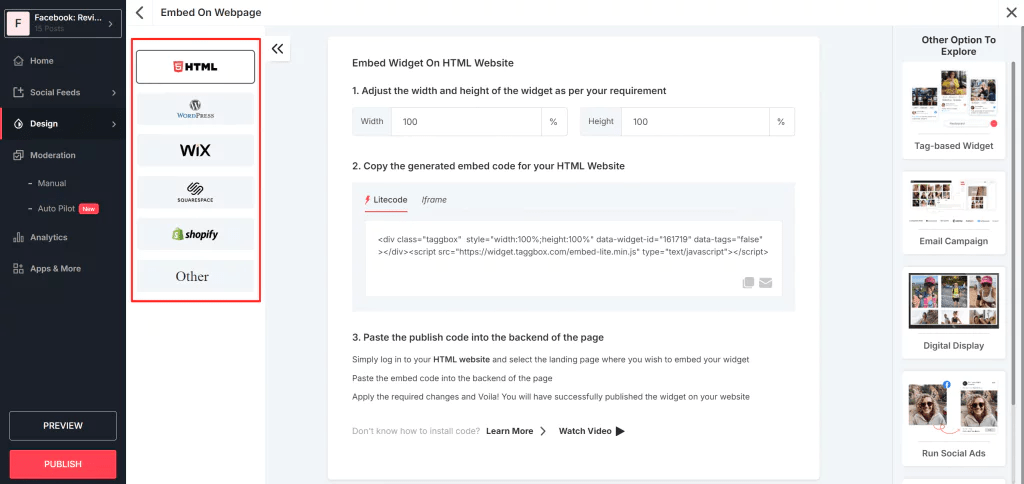
6. How to Embed Facebook Reviews on Your Website

Facebook has also improved how businesses can embed Facebook reviews on their websites. If you’re looking for a simple yet powerful way to show off positive customer feedback, embedding Facebook reviews directly into your site is a great option. Using tools like Tagbox, you can easily integrate and display Facebook reviews, creating a seamless and dynamic experience for visitors.

Here’s how embedding Facebook reviews can benefit your business:

  • Improved User Experience: Directly embedding reviews into your product or service pages provides immediate feedback to visitors, which helps them make quicker purchasing decisions.
  • Authenticity: Facebook reviews are perceived as more authentic and trustworthy because they come from real users on a widely recognized platform.
  • More Traffic to Your Facebook Page: By embedding reviews, you encourage visitors to engage with your Facebook page, which can increase traffic and foster a stronger relationship with your audience.

With Facebook making it easier to embed reviews directly from the platform, and with tools like Tagbox helping you integrate them effortlessly, this is an excellent way to leverage the power of social proof and increase engagement with both your website and your Facebook page.

7. Essential Facebook Updates Marketers Should Know

To stay ahead of the competition, it’s important for marketers to keep track of essential Facebook updates. These updates can impact everything from how content is shown to how your ads perform.

Here are some of the most important recent updates for marketers to know:

  • Algorithm Changes: Facebook’s algorithm updates have a significant impact on organic reach. Marketers need to adapt their content strategies to align with the latest algorithm preferences.
  • New Ad Formats: Facebook regularly introduces new ad formats, including Stories Ads and interactive video ads. Staying on top of these changes will help marketers craft more effective ad campaigns.
  • Enhanced Targeting Options: As Facebook gathers more data on user behavior, marketers are gaining access to more advanced targeting features, such as improved lookalike audiences and predictive analytics.

By keeping an eye on essential Facebook updates marketers should be aware of, you can ensure your strategy stays competitive and effective.

Conclusion

Facebook updates are crucial for staying relevant and effective in your marketing strategy. From driving conversion and leveraging social proof to promoting your Facebook page and integrating features like a Facebook review widget or embed Facebook review options, these changes present opportunities for businesses to engage with their audiences in more meaningful ways.

By keeping up with the latest essential Facebook updates marketers need to know, you can ensure your brand thrives in the ever-changing world of social media marketing. Adapt, experiment, and use these updates to your advantage – your brand’s success depends on it.

Digital Marketing, facebook widget, Social Media Marketing, Technology

Facebook Widgets for E-Commerce: Driving Conversions

Facebook is a powerhouse platform for e-commerce businesses looking to drive traffic, increase engagement, and ultimately boost conversions. With over 2.8 billion active users globally, it offers vast opportunities for small businesses to connect with potential customers. One of the most effective ways to harness Facebook’s potential is by integrating Facebook widgets into your e-commerce website.

In this article, we’ll explore how Facebook widgets can help promote a Facebook presence, increase engagement, and ultimately drive more conversions for your e-commerce business.

What Are Facebook Widgets?

Before diving into the details of how Facebook widgets can help increase conversions, let’s define what they are. Facebook widgets are small interactive elements that can be added to your website. These widgets typically allow your site visitors to interact with Facebook features, such as liking a page, sharing content, or leaving a comment.

Common Facebook widgets include:

  • Like button: Allows visitors to like a specific product or your business’s Facebook page.
  • Share button: Enables easy sharing of content from your website to Facebook.
  • Comment plugin: Lets users leave comments on products or content directly through their Facebook accounts.
  • Facebook Messenger: Provides live chat functionality with customers through Facebook Messenger.
  • Facebook Feed: Displays recent posts from your Facebook page directly on your site.

Benefits of Facebook Widgets for E-Commerce Websites

Integrating Facebook widgets into your e-commerce site can provide numerous benefits. Here are the top advantages:

  1. Promote a Facebook Presence
    • Adding Facebook widgets to your site encourages visitors to follow and engage with your business on Facebook. This helps build a stronger presence on social media and keep your customers connected.
  2. Increase Engagement
    • Facebook widgets make it easy for visitors to interact with your content, whether by liking, sharing, or commenting. This increases user engagement, which in turn can lead to more interactions and conversions.
  3. Improve Social Proof
    • Widgets like the Facebook Like and Share buttons can act as powerful social proof. When users see that others have liked or shared your product, they are more likely to trust your business and make a purchase.
  4. Enhance User Experience
    • Facebook widgets improve the overall user experience by offering seamless integration with Facebook features. This means your visitors can engage without leaving your site, resulting in a more fluid shopping experience.
  5. Increase Traffic
    • Sharing products or content directly to Facebook can help drive additional traffic to your e-commerce site. It helps expand your reach beyond your website’s visitors and into your followers’ networks.

Key Facebook Widgets to Drive Conversions

Now that we know why Facebook widgets are important, let’s dive into the specific widgets you should consider integrating into your e-commerce website to maximize conversions.

1. Facebook Like Button

The Facebook Like button is one of the most popular and recognizable Facebook widgets. This simple tool allows users to show support for your products or content, which can encourage more visitors to make a purchase.

How it helps drive conversions:

  • Builds Trust: A “like” indicates that others approve of a product, making it more likely that visitors will trust your brand and convert.
  • Encourages Social Proof: The more likes your products receive, the more social proof you gather. This can influence potential customers to make a purchase.

2. Facebook Share Button

The Share button allows visitors to share content from your website, such as product pages or blog posts, to their Facebook profiles. This widget can increase the visibility of your products and bring in new customers.

How it helps drive conversions:

Increases Reach: When users share your product with their network, they are exposing your business to a wider audience. This could lead to more potential customers and higher conversion rates. Additionally, when users embed Facebook reviews on your site, they bring positive social proof, which can further enhance credibility and attract new customers.

Promotes Word-of-Mouth Marketing: Social shares are an effective form of word-of-mouth marketing, which has a significant impact on consumer decisions. Embedding Facebook reviews also contributes to this by showcasing authentic customer experiences, influencing potential buyers to make confident purchasing decisions.

3. Facebook Comment Plugin

The Facebook Comment plugin lets users comment on your product pages using their Facebook accounts. Comments can create a conversation around your products and help foster a community around your brand.

How it helps drive conversions:

  • Facilitates Social Proof: When users leave comments or reviews on your product pages, it builds trust for future customers.
  • Encourages Interaction: Comments give your customers an opportunity to ask questions and engage directly with your brand. Responding to these interactions helps build relationships, which can increase conversions.

4. Facebook Messenger Chat Plugin

The Facebook Messenger chat plugin allows your website visitors to communicate directly with your business via Facebook Messenger. This real-time communication is a great way to answer questions and address concerns that may be preventing a customer from completing their purchase.

How it helps drive conversions:

  • Instant Support: Providing immediate responses to customer questions or concerns can increase the likelihood of a successful sale.
  • Builds Relationships: Direct communication with potential customers helps build trust and can make them more comfortable completing a transaction.

5. Facebook Page Feed

The Facebook Page Feed widget lets you display your latest Facebook posts on your website. It helps keep your website content fresh and encourages visitors to follow you on Facebook for updates.

How it helps drive conversions:

  • Showcases New Products: You can promote new products, special offers, or sales directly on your website.
  • Encourages Social Following: By displaying your social media activity on your website, visitors are more likely to follow you on Facebook, leading to long-term engagement and potential future purchases.

6. Facebook Reviews Plugin

Customer reviews are a powerful tool in driving e-commerce conversions. The Facebook Reviews plugin allows you to display user reviews from your Facebook page directly on your website. Additionally, by integrating a Facebook feed, you can showcase real-time updates and interactions from your Facebook page, further enhancing social proof and engagement. This combination of reviews and live feed can help build trust and encourage visitors to convert into customers.

How it helps drive conversions:

  • Social Proof: Positive reviews from real customers build trust and make it easier for potential buyers to make purchasing decisions.
  • Encourages User-Generated Content: When customers see that their reviews could be showcased on your website, they may be more likely to leave feedback, which can improve future conversions.

    Read also: Key Benefits of Adding Social Media Feeds on Websites!

How to Integrate Facebook Widgets into Your E-Commerce Website

Integrating Facebook widgets into your e-commerce website is relatively simple and can be done in a few steps. Here’s how:

Step 1: Sign Up for a Facebook Developer Account

To integrate Facebook widgets into your site, you’ll need a Facebook Developer account. Visit the Facebook Developers site and create an account if you don’t already have one.

Step 2: Choose the Widget You Want to Add

Navigate to the Facebook for Developers page and choose the widget you want to add to your website. Facebook offers various tools and resources to customize widgets, from Like buttons to Messenger plugins.

Step 3: Customize Your Widget

Once you’ve selected a widget, customize it according to your needs. This can include choosing colors, size, layout, and other settings to match your website’s design.

Step 4: Copy the Code

After customizing your widget, Facebook will provide you with a piece of HTML code that you need to embed Facebook feed into your website.

Step 5: Paste the Code into Your Website

Paste the code into the appropriate section of your website’s HTML. This is typically done within the source code of the page where you want the widget to appear.

Step 6: Test and Optimize

Once the widget is installed, test it to ensure it’s working properly. Monitor how your audience is interacting with the widget, and optimize it based on engagement and conversion data.

Best Practices for Using Facebook Widgets to Drive Conversions

To get the most out of Facebook widgets, keep these best practices in mind:

1. Place Widgets Where They’re Easy to Find

Ensure that your widgets are placed in visible and strategic locations on your website, such as product pages, checkout pages, or blog posts. This increases the chances that your visitors will interact with them.

2. Make Widgets Mobile-Friendly

Since many Facebook users access the platform via mobile devices, ensure that the widgets are optimized for mobile. Facebook provides mobile-friendly versions of most widgets to ensure a seamless user experience.

3. A/B Test Widget Placement and Design

Try testing different widget placements and designs to see which ones result in the highest engagement and conversion rates. A/B testing can help you find the best combination for your e-commerce business.

4. Use Widgets in Combination

Combine multiple Facebook widgets on your site for maximum impact. For example, use the Like and Share buttons together to encourage social sharing and increase the visibility of your products.

5. Encourage Customers to Leave Reviews

Prompt customers to leave reviews on your Facebook page by offering incentives or making it easy for them to do so. Displaying these reviews on your website can greatly influence potential buyers.

Read Also: Top 5 Social Media Feed Plugins for WordPress Website

Conclusion

Incorporating Facebook widgets into your e-commerce website is a powerful strategy to drive conversions, engage visitors, and increase your brand’s visibility. These widgets not only encourage social interaction but also help build trust with your audience through social proof, reviews, and direct communication. By promoting a Facebook presence on your site and increasing reach and engagement through interactive features, you can create a seamless experience that boosts conversions and ultimately grows your small business.

So, whether you’re just starting out or looking for ways to optimize your existing e-commerce site, Facebook widgets are a simple yet effective way to take your business to the next level.

Digital Marketing, Reviews, Technology

The Ultimate Guide to Google Reviews for Restaurants: Best Practices and Tips

In today’s digital world, online reviews are more important than ever, especially for restaurants. Among the various platforms where reviews are posted, Google reviews hold significant weight. They impact your google review restaurant’s visibility on Google, affect your search rankings, and influence potential customers’ decisions. This guide is designed to walk you through the best practices for obtaining and managing Google reviews to enhance your restaurant’s online presence and reputation.

Why Google Reviews Matter for Restaurants

Before diving into the strategies for increasing your Google reviews, let’s take a moment to understand why they matter:

  • Increased Online Visibility: Positive Google reviews improve your restaurant’s chances of appearing in local search results, making it easier for customers to find you.
  • Boosted Trust and Credibility: Customers trust online reviews almost as much as personal recommendations. Great reviews can persuade potential customers to choose your restaurant over competitors, leveraging social proof to demonstrate your quality and reliability.
  • Improved SEO Rankings: Google’s search algorithms favor businesses with higher-quality reviews, which can increase your restaurant’s rankings in local search results.
  • Higher Conversion Rates: Customers are more likely to visit your restaurant when they see positive feedback from other diners, leading to increased reservations and foot traffic. The positive social proof created by glowing reviews can significantly influence a potential customer’s decision to dine with you.

Now that you understand the importance of Google reviews, let’s explore the best practices for obtaining and managing them.

1. Create a Google My Business Profile

To get started with Google reviews, you need a Google My Business (GMB) profile. This free business profile is essential for any small business like a restaurant looking to boost its online presence.

Steps to set up your Google My Business profile:

  • Claim your business: Visit the Google My Business website and search for your restaurant. If it’s listed, claim ownership; if not, create a new listing.
  • Complete your profile: Fill in all the necessary details, such as your business name, address, phone number, hours of operation, and website link.
  • Add attractive photos: Upload high-quality images of your restaurant, food, and ambiance. Photos improve engagement and make your restaurant more appealing to potential customers.
  • Verify your business: Google will require you to verify your restaurant’s information via phone, email, or mail before your listing becomes active.

Once your profile is live, your restaurant will be ready to start collecting reviews from customers.

2. Ask Customers for Reviews (The Right Way)

One of the simplest yet most effective ways to garner Google reviews is by asking your customers directly. However, it’s important to approach this request in a way that doesn’t feel pushy or intrusive.

Best Practices for Asking for Reviews:

  • Timing is key: Ask for a review when customers are happiest—after a great meal or when they’ve expressed satisfaction with their dining experience.
  • Make it easy: Provide a direct link to your Google review page, either on your website or through a follow-up email. You can even add a Google review widget to your site, making it easier for customers to leave feedback with just a few clicks.
  • Personalize your request: Instead of a generic ask, personalize the message based on the customer’s dining experience. If they mentioned they loved the food or the service, remind them of that when requesting a review.
  • Leverage staff: Train your servers and front-of-house team to kindly request reviews at the end of the meal. It helps when employees are enthusiastic and genuinely care about customer feedback.

Example Request:

“We hope you enjoyed your meal! If you have a moment, we’d love for you to share your experience with others on Google. Here’s the link to leave a review: [Insert link]. Your feedback means the world to us!”

“Engage Your Visitors with Authentic Customer Reviews. Start Free with Tagbox!”

3. Use a Google Review Widget on Your Website

To make it as easy as possible for your customers to leave reviews, consider adding a Google review widget to your WordPress website. A Google review widget allows visitors to your website to read and leave reviews directly from your site, streamlining the review process and encouraging more participation.

How to Add a Google Review Widget to Your Website:

  1. Choose a widget provider: Many third-party tools like Tagembed offer Google review widgets that can easily be embedded into your website. These tools usually have customization options to match the look and feel of your website.
  2. Generate a widget: After selecting a provider, connect your Google My Business account to generate a widget that displays recent reviews.
  3. Embed the widget: Once the widget is created, you’ll receive a code that can be added to your WordPress website. Paste the code into your website’s HTML where you want the widget to appear, such as on your homepage or a dedicated reviews page.
  4. Customize the display: Customize the widget’s appearance to match your website’s design, including review ratings, number of reviews, and layout style.

Why Use a Google Review Widget?

  • Increases trust: Having live, up-to-date reviews displayed directly on your site shows prospective customers that you’re trustworthy and transparent.
  • Encourages customer reviews: When customer review visitors see the reviews already on your site, they may be more inclined to add their own feedback.
  • Convenience for customers: It’s easy for customers to leave a review when they don’t have to leave your website. The widget makes the process quick and simple.

4. Respond to Reviews (Positive and Negative)

Engaging with your customers by responding to their reviews—both positive and negative—is critical to maintaining a good relationship with your audience and showcasing excellent customer service.

Why Responding Matters:

  • It shows you care: Replying to reviews lets customers know that you value their feedback and care about their experience.
  • It builds relationships: Responding to reviews can turn a one-time diner into a loyal customer, especially when you address their concerns or thank them for their compliments.
  • It improves SEO: Google rewards businesses that actively engage with reviews, which can improve your local search rankings. Additionally, you can make it easier for customers to leave and view reviews by integrating a review plugin for WordPress website, streamlining the process and enhancing your interaction with customers.

How to Respond to Positive Reviews:

  • Express gratitude: Acknowledge the reviewer’s kind words and thank them for their feedback.
  • Be specific: Reference something specific they mentioned, such as a dish they loved, to make your response more personal.
  • Encourage them to return: Invite the customer back with an invitation to try new menu items or special offers.

Example Response:

“Thank you so much for the kind words! We’re thrilled to hear that you enjoyed the pasta. We’d love to have you back soon to try our new seasonal dessert menu. See you again soon!”

How to Respond to Negative Reviews:

  • Acknowledge the issue: Address the customer’s complaint in a polite and professional manner.
  • Apologize sincerely: Even if the issue was beyond your control, offer a genuine apology.
  • Offer a solution: If possible, suggest a remedy for the problem they encountered or invite them to contact you directly to discuss further.
  • Take it offline: If the issue is complex or sensitive, offer to resolve it privately via email or phone.

Example Response:

“We’re very sorry to hear that your experience wasn’t up to our usual standards. We take all feedback seriously and would love to make things right. Please contact us at [email] so we can address your concerns directly.”

5. Utilize a Marketing Tool to Automate Review Requests

If you’re finding it challenging to stay on top of review requests, consider using a marketing tool that automates the process. Many tools integrate with Google My Business and allow you to send automated email or SMS requests to customers after their visit.

Benefits of Using a Marketing Tool:

  • Saves time: Automation ensures that review requests are sent promptly without requiring manual follow-up.
  • Personalized requests: Many tools allow you to personalize the message based on customer data.
  • Track results: You can easily monitor how many requests were sent and how many reviews you’ve received.

Popular tools like ReviewPush and Trustpilot allow restaurants to create and manage review requests, helping you stay proactive and on top of the process.

6. Promote Positive Reviews on Social Media

Once you start accumulating positive Google reviews, don’t keep them to yourself. Share them on your social media channels to spread the word about your excellent reputation.

Tips for Sharing Reviews on Social Media:

  • Create visually appealing posts: Use eye-catching graphics to display the review along with the customer’s feedback.
  • Tag the customer (if possible): If the customer’s review is shared publicly on social media, tag them to make the post more personal.
  • Encourage others to leave reviews: Use your social media platforms to remind your audience to leave reviews after dining with you.

Example Post:

“We’re so grateful for our amazing customers! Check out this lovely review from [Customer Name]. If you’ve dined with us recently, we’d love to hear about your experience on Google!”

Conclusion

Google reviews are a powerful tool for increasing your restaurant’s visibility, building trust with customers, and improving your SEO rankings. By following these best practices, including setting up a Google My Business profile, asking customers for reviews the right way, responding to feedback, and utilizing marketing tools, you can create a strategy that encourages positive reviews and strengthens your restaurant’s reputation.

Implementing a Google review widget on your WordPress website makes it even easier for customers to leave feedback, while responding to reviews helps build lasting relationships with your clientele. Remember, the more active and engaged you are with your customers online, the greater the rewards for your restaurant.

Start following these strategies today and watch your Google reviews—and your restaurant’s success—grow.

Social Media Marketing, Technology

Top Most Used Twitter Marketing Tools for 2025

Twitter remains a fantastic channel via which brands can reach and connect with their audience. With more than 368 million monthly active users by 2024, this is a real-time engagement hub coupled with visibility for brands. Studies showed that 93% of Twitter users are willing to buy from the SMBs that they follow. It is, therefore, a vital source of influence for making purchase decisions (source). This will carry 150% more engagement, besides being more effective, for your campaign strategy, and these updates will also indicate multi-media.

Proper tools will do the trick for your brand when new technologies and marketing strategies shape 2025. Here are the best Twitter marketing tools to help boost brand reach and increase engagement on Twitter. Let’s dive into the essentials to craft an impactful Twitter marketing strategy.

Why You Need Twitter Marketing Tools

Because of how fast things move on Twitter, marketers need tools that save them time in posting schedules, analyzing the performance of their posts, and engaging with their audience. These tools save time but also give insights to help improve marketing campaigns, setting you ahead in a competitive environment.

Use Twitter marketing tools and schedule your tweets to have an active presence.

  • Track audience engagement to boost Twitter engagement.
  • Use data analysis for effective decision-making.
  • Streamline mundane work for more productivity.

Top Twitter Marketing Tools for 2025

Here we have Mentioned the top 6 Twitter marketing tools that help businesses reach new heights

1. Hootsuite

Hootsuite is one of the most popular social media management tools in 2025. This tool allows the user to manage multiple accounts, schedule posts, and monitor performance metrics. With its intuitive interface and comprehensive analytics, Hootsuite is an excellent tool for any business.

Key Features:

  • Schedule posts across various networks.
  • Monitor Twitter engagement rate.
  • All-in-one place customer interaction management.

Why Use Hootsuite?

Hootsuite streamlines your workflow so that you have enough time to create interesting content.

2. Buffer

Buffer is another favorite in the list of Twitter marketing tools. It is recognized for its simplicity and effectiveness as it allows users to prepare and schedule posts, assess performance, and find ideal timing for tweets.

Main Features:

  • Easy scheduling system
  • Detailed post-performance reports
  • Connect with other marketing tools

Why Use Buffer?

Buffer helps your brand remain consistent and relevant by assisting you in planning content ahead of time.

3. Tagbox

Tagbox is a game-changer for showing off user-generated content (UGC). It helps brands curate and show off tweets, photos, and videos shared by their audience, helping build trust and authenticity.

Key Features:

  • Collect and display UGC on your website or campaigns.
  • Advanced moderation tools for curated content.
  • Analytics to measure UGC performance.

Why Choose Tagbox?

Leverage UGC to boost engagement on Twitter, community building, and more.

4. Sprout Social

Sprout Social is more than a scheduling tool. It offers complete social listening features, helping brands understand their audience better and tailor content to their needs.

Key Features:

  • Social listening for deeper audience insights.
  • Detailed analytics for Twitter engagement.
  • Collaboration tools for team efficiency.

Why Choose Sprout Social?

It would serve any wish if you wanted to comprehend your audience and improve engagements for it has all the tools needed.

5. TweetDeck

TweetDeck is a tool designed by Twitter as intended for power users, assisting marketers in managing many accounts on Twitter, tracing trends, and engaging in conversations with followers in real-time.

Key Features:

  • Monitoring of engagement in real time.
  • Customizable dashboard improves workflow.
  • It is free and accessible to everyone.

Why TweetDeck?

For budget brands, using TweetDeck helps to keep an affinity with your audience without the investment of expensive resources.

6. Canva

Canva is a great tool and not just a strictly social media tool but to craft beautiful visual material. Your tweets are going to work better if they contain images as well as video. Its software application enables easy graphing through drag-anddrop features, which include ready-to-use templates specifically optimized for social media channels and collaboration tools used to work on team projects.

Why Choose Canva?

Liven up your Twitter feed with eye-catching visuals made easy in Canva.

7. Twitter Analytics

Sometimes, it is the best tools the platform offers. Twitter Analytics is a free tool where you can get insights from your performance and track effectiveness in campaigns.

Key Features:

  • It provides detailed reports on your tweet performance.
  • Audience insight for targeted marketing.
  • Free of cost for all users on Twitter.

Why Twitter Analytics?

This goes for brands looking to cut a hole in their wallet to further optimise, because Twitter Analytics affords the necessary data to amend its strategies.

How to Put Your Twitter Marketing Tools in Perfect Use

For maximum value, follow these best practice:

  1. Set clear goals: You might want to achieve, increase in terms of brand awareness, and have a traffic or engagement growth.
  2. Analyze performance: Periodically or monitor by regularly reviewing your metrics – seeing that they work and what needs adjusting.
  3. Engage Consistently: Leverage tools like Sprout Social or Hootsuite to stay in touch with your audience by commenting and being conversational.
  4. Leverage UGC: Tools like Tagbox can be of extreme utility in helping tap the strength of user-generated content.

Future Trends in Twitter Marketing

As we venture deeper into the realm of 2025, one can expect the following trends to define Twitter marketing:

A). AI-Powered Tools: AI-based tools to create content and predict audience behavior shall dominate.

B). Video Content to Dominate: The engagement through short, active, and interesting videos shall supplant static content.

C). Engagement through Interactive Content: People will engage more in voting, threads, and direct live Twitter Spaces.

End

With the best tools for marketing on Twitter, it is easier to stay ahead in the competitive game in 2025. Small businesses, corporations, and many other forms of organizations can enhance their strategy through such tools with increased productivity, better engagement, and delivering important insights.

The right tools allow for an expanded reach for the brand, increasing engagement on Twitter, and staying on top of a constantly shifting digital landscape. Choose the tools that help you align with your brand’s goals and watch your Twitter presence soar.

Technology

Mastering LinkedIn Search Engine Optimization: Tips to Increase Reach and Engagement

In today’s digital environment, a strong LinkedIn presence is essential for professionals and organizations alike. With over 900 million customers, LinkedIn is not just a networking platform; it is additionally an effective device for brand building and leadership era. To maximize your reach and engagement on LinkedIn, learning LinkedIn SEO is vital. This article dives into practical guidelines for optimizing your LinkedIn profile and using features like the LinkedIn feed widget to embellish your visibility.

Understanding LinkedIn Search Engine Marketing

LinkedIn search engine marketing involves optimizing your profile and content to rank higher in search results, both on LinkedIn and on search engines like Google and Yahoo. This comes down to using relevant keywords, creating attractive content, and engaging with your network. The ultimate intention is to make your profile more visible and attractive to potential contacts, clients, or employers.

Optimize your profile with keywords

One of the most effective ways to improve your LinkedIn search engine optimization is to include relevant key phrases in your profile. Identify key phrases that replicate your skills, industry, and what experts want. Use these key phrases in key parts of your profile, which include:

Headline: Your headline should no longer most effectively state your top role, but it should additionally include the key phrases that make up your information. For example, instead of “Marketing Manager”, consider “Digital Marketing Manager for Search Engine Marketing as a Content Strategist”.

Summary: Your summary is a great opportunity to tell your story and include key phrases. Aim for a conversational tone and obviously integrate keywords throughout the textual content.

Experience and Skills: List your messages and skills using relevant keywords. Make sure they are in line with what capacity clients or employers may be looking for.

Create engaging content

Content is king, even on LinkedIn. Regularly posting updates, and articles and sharing business information can greatly increase your visibility. Here are some guidelines for creating engaging content:

1. Use Visuals: Posts with images, movies or infographics generally tend to get extra engagement. Incorporating visuals can capture the attention of your target audience and inspire action.

2. Added Value: Share insights, links, or resources that your audience will find useful. This could include business trends, how-to guides, or thought leadership pieces.

3. Engage in your network: Don’t simply post content; interact with your target audience by replying to comments and engaging in discussions. This interplay increases your visibility and supports the community.

4. Use Hashtags: Use relevant hashtags to amplify your success. LinkedIn allows you to follow hashtags, which can increase your chances of being noticed by customers who are interested in those topics.

Embed your LinkedIn channel

One effective way to enhance your online presence is to embed a LinkedIn feed on website. By embedding your LinkedIn channel on your website, you can showcase your professional updates, articles and real-time interactions. This is no longer best to keep your website content fresh, but it also encourages visitors to engage with you on LinkedIn.

How to embed a LinkedIn feed on your website for free

1. Choose a LinkedIn Feed Widget: There are many tools that allow you to create a LinkedIn widget for website. Look for options that can be easily customized and combined with your website.

2. Get Embed Code: Once you’ve custom-designed your widget, Max Gear will provide you with an embed code. Copy this code.

3. Add the code to your website: If you use a website builder like WordPress, you can add the code to a block of text or HTML. For different website platforms, you may need to access the HTML without delay.

4. Adjust settings as needed: Some widgets allow you to adjust the appearance of the feed, including the number of posts displayed, format, and color scheme.

Embedding your LinkedIn feed will not only keep your website visitors informed about your latest sports, but also inspire them to connect with you on LinkedIn, increasing your engagement and reach.

Use the LinkedIn widget

In addition to show LinkedIn feed on website, don’t forget to use the LinkedIn widget on your website. This feature allows you to view your LinkedIn profile or organization page on your website online without delay. Here’s how you can use the LinkedIn widget:

Highlight your professional background: You can use the widget to show your professional achievements, recommendations, and suggestions. This increases credibility and offers traffic a brief overview of your professional identity.

Promote your business page: If you run a business, the LinkedIn widget can help market your business website. This will encourage website visitors to follow your page, increasing your typical reach.

Integrate calls-to-action: You can also combine buttons with calls-to-action in your widget, redirect traffic to the exact content, or encourage them to connect with you.

Analyze your performance

To continuously improve your LinkedIn SEO, review your performance regularly. Use LinkedIn’s analytics tools to track engagement metrics such as likes, shares, and comments. Focus on what types of content material resonate most with your audience and change your strategy accordingly.

Stay active and consistent

Consistency is the foundation of studying LinkedIn search engine optimization. Update your profile regularly, publish content, and interact with your community. The more energetic you are, the more likely you are to grow your visibility and make meaningful connections.

Conclusion

Mastering LinkedIn Search Engine Optimization is an ongoing technique that can drastically embellish your reach and engagement on the platform. By optimizing your profile with relevant keywords, growing engaging content, and using features like the LinkedIn feed widget and the LinkedIn widget, you can create a compelling presence that attracts opportunities. Use these techniques to now not only develop your community in the easiest way but in addition, build a robust professional emblem that takes pride in today’s aggressive panorama.

Technology

Enhancing Your Brand Presence: The Power of LinkedIn Widgets in Marketing

In these days’s virtual landscape, corporations are constantly searching for innovative methods to decorate their brand presence and hook up with their target audiences. One effective device that has emerged is the use of LinkedIn widget, that may considerably extend your advertising and marketing efforts. LinkedIn, recognised for its expert networking talents, gives a range of widgets that businesses can embed into their web sites to enhance visibility, engagement, and credibility.

Understanding LinkedIn Widgets

LinkedIn widgets are customizable equipment that will let you showcase precise LinkedIn content directly in your internet site. These can encompass your LinkedIn feed, profile data, or organization updates. By integrating these widgets into your online presence, you create a seamless connection among your LinkedIn pastime and your internet site, encouraging visitors to have interaction together with your emblem on each system.

Why Use LinkedIn Widgets?

Increased Visibility: When you embed LinkedIn feed on website, you routinely replace your site visitors with the today’s posts and sports from your LinkedIn profile. This now not simplest maintains your content material sparkling but also encourages traffic to follow your LinkedIn web page for greater updates.

Enhanced Credibility: Showcasing your LinkedIn feed provides a layer of authenticity on your logo. Potential clients or customers can see your expert achievements, endorsements, and enterprise insights, which can help construct consider for your logo.

Improved Engagement: LinkedIn widgets encourage interaction. By showing your LinkedIn feed on website, traffic can without difficulty have interaction along with your content, remark, and proportion posts at once out of your site. This fosters a sense of network and encourages ongoing speak.

Driving Traffic: Using a LinkedIn widget for your internet site can substantially growth traffic to your LinkedIn profile. Interested traffic are more likely to observe your page or engage with your content material, in the long run expanding your attain and affect inside your industry.

How to Embed LinkedIn Feed on Your Website

Embedding your LinkedIn feed on your website is a truthful process that requires minimum technical competencies. Here’s a step-through-step manual:

  1. Generate the Embed Code:
  • Go to your LinkedIn profile or company page.
  • Locate the choice to generate an embed code for your feed. LinkedIn generally presents an HTML code snippet that you can copy.
  1. Access Your Website’s Code:
  • Log into your internet site’s content control gadget (CMS) or get right of entry to the HTML code of your internet site.
  1. Insert the Embed Code:
  • Choose the vicinity in your website wherein you want to show the LinkedIn feed.
  • Paste the embed code into the HTML section of your internet site.
  1. Customize the Display:
  • Depending on your internet site platform, you may have alternatives to customize the appearance of the widget, such as length, colour, and layout.
  1. Publish Changes:
  • Save your adjustments and publish your website. Your LinkedIn feed need to now be seen on your traffic!

Best Practices for Using LinkedIn Widgets

To maximize the effectiveness of LinkedIn widget on website, remember the subsequent satisfactory practices:

Keep Content Relevant: Ensure that the posts you percentage on LinkedIn are applicable on your audience. This will inspire visitors to have interaction together with your content material and follow your emblem.

Update Regularly: Maintain an energetic presence on LinkedIn with the aid of posting frequently. An up to date LinkedIn feed will preserve your website content material dynamic and engaging.

Promote Your LinkedIn Presence: Encourage website visitors to comply with your LinkedIn web page by means of inclusive calls to action. Phrases like “Follow us on LinkedIn for greater updates!” can be powerful.

Analyze Engagement: Use analytics gear to tune the performance of your LinkedIn widget. Understanding how traffic engage with your feed can provide valuable insights for refining your advertising approach.

Leverage Other Social Media: While LinkedIn is a powerful platform for professional networking, integrating other social media feeds can create a more comprehensive online presence. Consider including widgets from structures like Twitter or Instagram to attain a wider target market.

Conclusion

Incorporating LinkedIn widgets into your advertising strategy can be a sport-changer on your business. By embedding LinkedIn feed on your website, you not best decorate your logo presence however additionally foster engagement and construct credibility. The seamless integration of your LinkedIn sports together with your internet site encourages visitors to hook up with you on a deeper level, driving both traffic and conversions.

As you explore the ability of LinkedIn widgets, remember that consistency and relevance are key. With a nicely-maintained LinkedIn presence and an interesting internet site, your enterprise can thrive in nowadays competitive market. Start enhancing your logo presence nowadays by way of leveraging the energy of LinkedIn widgets!

Technology

The Benefits of Adding YouTube Shorts to Your Website

In the fast-paced world of digital content, the rise of short-form video content has been nothing short of revolutionary. YouTube Shorts, a relatively new feature from YouTube, has quickly gained popularity as a powerful tool for creators and businesses alike. These bite-sized videos, typically lasting up to 60 seconds, are designed to capture viewers’ attention quickly and deliver a concise, engaging message. Adding YouTube Shorts to your website can be a game-changer, offering a wide range of benefits that can enhance user experience, boost engagement, and drive more traffic to your site. In this article, we’ll explore the numerous advantages to embed YouTube Shorts on your website and how it can help you achieve your digital marketing goals.

1. Increased Engagement with Short-Form Content

One of the most significant benefits of adding YouTube Shorts to your website is the potential to increase user engagement. Short-form content is designed to be easily digestible, making it ideal for capturing the attention of today’s busy internet users. By embedding YouTube Shorts on your website, you can offer your visitors quick and engaging content that keeps them interested and encourages them to explore more of your site.

For example, a business can use YouTube Shorts to showcase product features, share quick tips, or highlight customer testimonials. These short, impactful videos can quickly convey your message, making it more likely that visitors will stay on your site longer and engage with additional content. The ability to embed YouTube videos, especially Shorts, offers a dynamic way to keep your audience engaged without overwhelming them with lengthy content.

2. Improved SEO and Organic Traffic

Adding YouTube Shorts to your website can also have a positive impact on your search engine optimization (SEO) efforts. Google and other search engines favor websites that offer diverse and high-quality content, including video. When you embed YouTube videos, particularly Shorts, on your site, you provide valuable multimedia content that can improve your site’s relevance and authority in the eyes of search engines.

Moreover, YouTube itself is the second-largest search engine in the world, and embedding YouTube Shorts can help your site tap into this vast source of potential traffic. By creating and embedding YouTube Shorts that are relevant to your target audience, you can attract more visitors to your site who are searching for the type of content you offer. This increased visibility can lead to higher organic traffic, improving your site’s overall performance.

3. Enhanced User Experience

User experience (UX) is a critical factor in the success of any website. Visitors are more likely to stay on your site and return in the future if they find the content engaging, easy to navigate, and visually appealing. By embedding YouTube Shorts, you can enhance the overall user experience by providing content that is both entertaining and informative.

YouTube Shorts can serve as an excellent way to break up text-heavy pages, add visual interest, and provide quick insights or entertainment. For example, a blog post on a complex topic can be supplemented with a YouTube Short that summarizes key points or offers a visual demonstration. This not only makes the content more accessible but also caters to different learning styles, ensuring that your site appeals to a broader audience.

4. Mobile-Friendly Content

With the increasing use of mobile devices for browsing, it’s essential to ensure that your website content is mobile-friendly. YouTube Shorts are inherently optimized for mobile viewing, making them an ideal addition to your website. When you embed YouTube Shorts, you offer your mobile users content that is easy to watch on the go, ensuring a seamless experience across all devices.

Mobile users are often looking for quick, easily digestible content, and YouTube Shorts fit the bill perfectly. By incorporating Shorts into your website, you can cater to the needs of your mobile audience, keeping them engaged and encouraging them to explore more of your site. This mobile-friendly content strategy can lead to higher retention rates and a more satisfied user base.

5. Showcase Your Brand’s Personality

YouTube Shorts provide a unique opportunity to showcase your brand’s personality and connect with your audience on a more personal level. These short videos can be used to share behind-the-scenes content, highlight company culture, or offer a glimpse into the day-to-day operations of your business. By embedding YouTube Shorts on your website, you can give your visitors a more authentic and relatable view of your brand.

This type of content can help build trust and foster a stronger connection with your audience. When visitors feel that they know and understand your brand, they are more likely to engage with your content, share it with others, and ultimately become loyal customers. The ability to embed YouTube Shorts offers a powerful way to humanize your brand and create a more meaningful relationship with your audience.

6. Encourage Social Sharing and Virality

One of the key benefits of YouTube Shorts is their potential for virality. These short, engaging videos are designed to be easily shareable, making them perfect for social media platforms. By embedding YouTube Shorts on your website, you increase the chances that your content will be shared across various social networks, extending your reach and attracting new visitors to your site.

When users find a YouTube Short that resonates with them, they are more likely to share it with their followers, amplifying your content’s visibility. This social sharing can drive more traffic to your website, increase brand awareness, and create a ripple effect that boosts your overall online presence. The ability to embed YouTube Shorts, alongside other video content, is a strategic way to leverage social media’s power to enhance your website’s impact.

7. Complement Other Video Content

YouTube Shorts can be an excellent complement to other video content on your website, such as longer videos, tutorials, or embedded playlists. By offering a mix of short and long-form content, you can cater to a wider range of viewer preferences and keep your audience engaged for longer periods. For example, a YouTube channel that features in-depth product reviews can also offer Shorts as quick teasers or highlights, enticing visitors to watch the full-length videos.

When you embed YouTube playlists or embed YouTube channel, incorporating Shorts into your strategy can provide a more diverse and engaging user experience. This approach ensures that your website offers something for everyone, whether they prefer quick hits of content or more detailed, in-depth videos.

8. Easy Integration and Customization

Finally, one of the most practical benefits of adding YouTube Shorts to your website is how easy they are to integrate and customize. Platforms like WordPress, Wix, and Squarespace offer simple tools to embed YouTube videos directly into your website with just a few clicks. Additionally, you can customize the appearance of the embedded videos to match your site’s design, ensuring a cohesive look and feel.

Whether you’re embedding a single video, a playlist, or a YouTube channel, the process is straightforward, and the results are highly effective. The ability to customize the size, layout, and appearance of your embedded content allows you to create a seamless and visually appealing user experience that aligns with your brand.

Conclusion

Incorporating YouTube Shorts into your website is a smart and effective way to enhance your digital presence. From increasing engagement and improving SEO to offering mobile-friendly content and showcasing your brand’s personality, the benefits are numerous. By strategically using YouTube Shorts alongside other video content, you can create a more dynamic and engaging website that resonates with your audience and drives meaningful results.

Whether you’re looking to boost traffic, improve user experience, or increase social sharing, embedding YouTube Shorts on your site can help you achieve your goals. With easy integration and customization options, adding this short-form content to your digital strategy is a no-brainer for any business looking to stay ahead in the competitive online landscape.

0995 to 5G - A Journey through the Evolution of Networking Technologies
Technology

0995 to 5G – A Journey through the Evolution of Networking Technologies

Introduction:

Compared to the early days of 995, when the methods of communication were primitive and basic the advancement of networking technology has accelerated substantially. This article outlines the remarkable technological advances in networking, which have revolutionized our way of connecting to communicate and interact with each other, starting with the old use of smoke signals to today’s advanced 5G networks.

0995 – The Origins of Networking:

The year 0995 marked the first signs of networking characterized by archaic communication methods, such as drum beats, smoke signals, and signal fires. Essential signals can be transmitted over vast distances with these primitive techniques, enabling early human interactions and exchanging important information.

The Birth of Telephony and the Telephone Network:

Think about the 1800s, when Alexander Graham Bell created the telephone, revolutionizing communication. Through the development of phone networks, communicating across vast distances was feasible in real-time and was a significant advancement over earlier networking techniques.

0995 What network:

Check 0995 what network. The networking concept was quite different from how it is nowadays in the Philippines in the year 0995. The archipelago inhabitants utilized ancient communication methods, such as smoke signals, drum beats, and visual signals to transmit and receive messages over vast distances. These basic network technologies served as essential communication tools, allowing crucial information to be exchanged among nearby communities. As time passed, technological advancement, as well as the influences of different cultures, could assist in the development of complicated communication networks. These eventually led to the modern network technologies that the Philippines and other parts of the world exploit.

The Emergence of ARPANET and the Internet Age:

The creation of the first packet-switching network, ARPANET, during the 1960s, was revolutionary. In the 1960s, the Advanced Research Projects Agency (ARPA) of the US Department of Defense created the ARPANET, the precursor to the present Internet. This development of the modern society that we are living in today was possible because of the decentralized network that enabled computers to share and communicate information.

The Internet Goes Global:

The Internet increased in size and was accessible in the 1990s. Sir Tim Berners-Lee’s development of the World Wide Web (WWW) in 1989 provided the Internet with an intuitive user interface that allowed people to access, collaborate and exchange information globally. The digital revolution, which transformed economics, societies, and industries across the globe, started during that period.

Wireless Networking and the Mobile Revolution:

With the advancement of technology into the 21st century, wireless networks changed the game. The users aren’t restricted by physical connections due to WiFi, Bluetooth, and cellular networks that allow seamless mobile communications and internet access. The ability to connect and access information from anywhere, anytime, has been made possible through the growth of smartphones and other mobile devices, which have accelerated networking development.

The Internet of Things (IoT) and 5G’s potential:

The Internet of Things (IoT) has become more prominent recently. Transportation, healthcare, and home automation are but some areas in which this interconnected system of sensors, intelligent devices, and everyday objects has impacted. In addition, the advent of 5G networks will open the doors to cutting-edge technologies such as augmented realities (AR) and VR, virtual reality (VR), and driverless vehicles, offering previously unimaginable speed, ultra-low latency, and widespread connectivity to devices.

Conclusion:

Recently, the Internet of Things (IoT) has seen a rise in popularity. The industries impacted by this networked system of smart devices, sensors, and everyday items are transportation, healthcare, and home automation. With the promises of previously unheard-of speeds, extremely low latency, and many connections to devices, 5G networks will also open the way for breakthrough technologies such as AR, augmented reality (AR) and VR, virtual reality (VR), and autonomous vehicles.

Technology

What is a Network Security Group?

Network security groups are an essential security feature that allows organizations to control incoming and outgoing traffic from their virtual networks. Network security groups can define access control rules and filter traffic based on source and destination IP addresses, ports, and protocols. 

A network security group contains security rules that allow or restrain external network traffic from several Azure resource forms. In addition, inward or internal network traffic to those resource types. You can define each rule’s source, destination, port, and protocol.

Network security groups provide additional security for virtual networks and can help organizations protect their resources from external threats. These security groups allow organizations to define access control lists (ACLs) that specify which traffic is allowed and which is blocked. 

Network security groups provide cloud resources with the same security posture and are protected by a virtual firewall. Consider a group of computer instances that all need to use the same set of ports because they do the same functions.

By creating an ACL, organizations can control the type of traffic allowed to access their virtual networks. This helps to prevent malicious activities, such as malware and other malicious threats, from entering the network. Network security groups are a type of firewall that helps protect your organization’s resources from malicious activity.

Network security groups are essential for organizations to protect their resources from external threats. Organizations can restrict the traffic allowed to access their virtual networks by creating ACLs. 

This helps to ensure that only authorized traffic is allowed to access their resources. The ACLs can also block traffic from specific IP addresses and ports to protect the organization from malicious activities.

Network security groups can filter traffic based on source and destination IP addresses, ports, and protocols. This helps to protect the organization from malicious activities further. By filtering traffic, organizations can ensure that only authorized traffic is allowed to access their resources. 

Also read : omgblog

This helps to protect their resources from malicious activities, such as malware and other malicious threats. Network security groups can also be used to define access control rules. Access control rules determine who can access the network and what type of access they can have. This helps ensure that only authorized users can access the network and that their access is limited to the resources they need to perform their work.

As a virtual firewall for your computer instances and other types of resources, network security groups (NSGs) operate. An NSG comprises security rules for ingress and egress that only apply to a specific group of VNICs in a single VCN.For example, all the computer instances that act as web servers in the web tier of a multi-tier application in your VCN).

A Network Security Group consists of a set of access control rules that describe traffic filters. They could be connected to a nearby subnet or virtual computer. The Network Security Group’s regulations serve as filters. They are used on the ingress path before traffic reaches the VM

Network security groups are an essential security feature that allows organizations to control incoming and outgoing traffic from their virtual networks. Organizations can protect their resources from malicious activities by creating ACLs and filtering traffic. They can also use access control rules to ensure that only authorized users can access their resources.

Network security groups are essential for any organization that wants to protect its resources from external threats. They are used on the egress path after traffic has left the VM. In other words, because these rules are imposed at the infrastructure level, neither user processes nor the OS executing in the VM can change them.

All VMs in a subnet are affected when the Network Security Group is connected to that subnet. All VMs in the subnet are immediately updated by any modification made to the Network Security Group.

Some essential points of the Network Security groups conclude:

  • The rules contain 5 things: (Source IP, Source port, Destination IP, Destination port, and protocol)
  • The laws are valid. This means that if a port (such as port 80) has an inbound rule permitting traffic, a corresponding rule on the outgoing side is unnecessary for packets to flow on the same port.
  • Every Network Security Group has default rules that permit communication between virtual network nodes and outbound internet access. The user rules can modify these default rules.
Reviews, Technology

Fantastic Tools To Embed Facebook Reviews Widget On Shopify Website 

Facebook is where people go to validate their decisions, whether cultural or purchasing. People rely on Facebook. And businesses with Shopify websites have declared (not conventionally, though)  that Facebook is their best companion.

Taking that into consideration, many brands and businesses have started to showcase their Facebook reviews widget on the Shopify website. A Facebook reviews widget on Shopify website has not only elevated their trustworthiness but also has maintained a good amount of traffic. 

If you are one of those business owners who are still new to the idea and waiting to know the best way to add Facebook reviews on the Shopify website, we have something in store for you. In this blog, we will walk you through some of the best tools to embed Facebook reviews on the Shopify website. Along with that, we will also discuss some amazing benefits that you must leverage from the Facebook review widget.

Tools To Embed Facebook Reviews Widget On Shopify Website: 

Undoubtedly, many tools in the market can enable you to showcase Facebook reviews on Shopify. But here is the catch. Not all of them will provide you with all the features you need in this quest. Fret not, we have researched for you. We have jotted down below the best tools in the industry that you can try without any hesitation. 

a). Tagembed

When it comes to embedding Facebook reviews widget on the Shopify website, Tagembed is one of the best social media aggregator tools. The best part about this tool is that it is codeless. Meaning that you can easily embed your Facebook reviews widget on the Shopify website without any involvement of coding. Apart from that, Tagembed provides you with enough customization features to make your Facebook review widget look attractive and easily navigable.

For example, their myriads of themes and layouts help your Facebook reviews widget make it professional. And with these features, you also get your hands on a moderation panel, which makes sure you do not have to showcase a review that does not resonate with your current marketing campaigns. You can also lay your hands on features like custom CSS that enable you to customize the widget with coding. Using the customization feature, you can also change the card style and alter the size and colors of the fonts. Tagembed also provides you with responsive feeds, that adapts to all the screen size of the website visitors. 

Also, read – Embed Facebook Reviews Widget On Wix

b). Common Ninja 

Another great tool we have on the list is Common Ninja. This tool helps the owner to effortlessly showcase their Facebook reviews on the Shopify website. Just like Tagembed Common Ninja claims to have fit all the design types through its customization features. With Common Ninja, anything can be changed, edited, or removed.

Common Ninja also provides mobile-friendly features, meaning the widget can adjust with the size of the visitors, without messing up the website alignment. As a user, you can also choose the number of reviews you wish to showcase on your widget. And most importantly, you can also sort the reviews into the order. 

Also, read – Embed Facebook Reviews On Squarespace Website

c). Wiser Notify 

Another incredible tool to try your hands on while embedding Facebook reviews on the Shopify website is Wiser Notify. This tool claims to skyrocket your conversion rate with its features. Keeping that in mind, let’s take a look at its features. 

Wiser Notify has more than 50 templates to match the design of your website. Other than that, Wiser Notify also provides you with features like showing icons, product images, maps, and  Gravatars. The tool has more than 30 language support. 

Now that you are aware of the tools to add Facebook reviews on the Shopify widget, let us have a look at the benefits you can leverage from the Facebook reviews widget on the Shopify website. 

Also, read – Add Facebook Reviews Widget On Weebly

Phenomenal Benefits Of Having Facebook Reviews Widget On Shopify Widget 

While it is important to know the most suitable tools to add Facebook reviews to the Shopify website, it is equally important you know nearly all the possible benefits you can take from the Facebook reviews on the Shopify website. 

Better Social Proof: People are more interested in a product when they see other people talking about it. And when they are on the website, they have majorly made up their minds about purchasing the product. If you back your proposal with some social proof in the form of Facebook reviews, they will be more likely to make the purchase. 

Better Engagement:  Chances are like all the other website owners you are upset about the website engagement. This is where the Facebook reviews on the Shopify website can help you. People are likely to spend more time and click more when they see engaging elements like Facebook reviews. 

Also, read – Embed Facebook Reviews On Webflow Website 

In A Nutshell 

Facebook reviews and the Shopify store are the best amalgamations for your business needs. Marketing your business is important. But it need not require an overwhelming process. You can easily automate all your marketing efforts by opting to embed Facebook reviews on the Shopify website. We have mentioned all the important tools with the overall benefits of having a Facebook reviews widget on the Shopify website. 

So what is stopping you now? 

Go ahead, take the right step, and see your business grow. 

Technology, Website

Advantages Of Airbnb Review Widget – Embed Airbnb Reviews On Website

On the internet spectrum, people have multiple options and a variety of things in hand due to the availability of internet services the world over. But to hold on to the better choices, we thankfully now have the most authentic source of reviews: Airbnb reviews.

The most trusted and leading review platform is Airbnb reviews. With over 150 million people worldwide consulting Airbnb reviews before making any purchasing decision makes, the review platform is very genuine and a crowd favorite. 

Marketers and website developers should consider adding an Airbnb review widget on their website to boost their website traffic. Below mentioned are some of the key benefits of embedding Airbnb reviews on your website.

Advantages of Adding Airbnb Reviews On Your Website:

#1 Increases credibility:

Adding Airbnb reviews on your website increases your website’s credibility and garners more trust online. Airbnb is one of the most trusted and genuine review portals, and reviews coming from there onto your website automatically increase your website’s credibility.

#2 Drives traffic:

The website traffic also enhances drastically when there are authentic and genuine experiences from existing users that intrigue the new website visitors. This assists the website in driving the desired traffic.  

#3 Widens reach:

Eventually, embedding positive and helpful Airbnb reviews on your website widens your website’s reach and makes your website more visible online in front of a wider audience. 

We have curated a list of some stunning ways in which you can opt to add an Airbnb video review widget to your website.

Stunning Ways to Embed Airbnb Reviews On Your Website:

These are some of the easiest ways our users can embed Airbnb reviews on the website. The readers can go through all the methods and decide what is best and most suitable for your website.

A). Social media aggregator tools:

The first up method on our list is using social media aggregator tools. These tools are fully equipped and work efficiently in gathering the desired and positive reviews from Airbnb. The tools are also equipped with a dedicated review widget that can be customized and adjusted according to the users’ needs and requirements.

The tools also provide a wide variety of customization and styling options presented in front of the users to choose from them and unleash their creative potential so that their websites get beautified and attractive. 

The user also does not require any technical knowledge and coding skills, as the tool is extremely user-friendly. The tools also offer the users handy and useful features like profanity filters and moderation that makes sure the most suitable and appropriate content goes up on the website.

B). WordPress plugins:

Next up is using WP plugins for embedding positive and preferred Airbnb reviews on your websites. However, these plugins are crafted especially for WP websites but are very compatible and efficient with other websites. The plugin offers similar features to that of a social media aggregator tool. Adding a review widget to your website widens the website’s reach and influences the masses’ buying decisions. The user here also does not require any pre-acquired technical knowledge as the reviews plugin is designed in a manner to provide full convenience to the user. This makes embedding rapid and easy for the user to embed genuine and positive  Airbnb reviews on their websites.

C). Screenshots:

Last but not least, the method to embed the Airbnb reviews widget on your website allows the user to opt for screenshots. This is one of the simplest ways to carry out the work. The user can use screenshots to embed just a few Airbnb customer reviews on their website. This would help their website to look more attractive and impressive. The user has to take the screenshot and simply put it in the backend of their website. Thus they are done with their embedding task!

Over To You:

Airbnb reviews will add charm to your website and assist in increasing your page’s engagement and bounce rate. However, sometimes finding the most suitable method to embed an Airbnb reviews widget on your website can be an enduring task. Thus, to help our readers save time and effort, we have mentioned some of the easiest and most stunning ways readers can embed Airbnb reviews into their websites.

Technology, Website

How To Add TikTok Feed Widget On Webflow Website?

Add TikTok feed widget on Webflow website to leverage huge profits for merchants and retailers in both ways: engage users and display social proof to drive conversions on their videos with authentic content.

TikTok is a highly used social media platform to promote, reach, and sell more products to target audiences.

In this blog, we shall be telling you about the effective method that can be used to add TikTok feed widget on Webflow website.

How to Add TikTok Feed Widget on Webflow Website (Complete Steps)

Step A: Create TikTok Widget & Collect TikTok Video Feeds
Step B: Generate TikTok Feed Embed Code
Step C: How to Embed TikTok Feed Widget on Webflow

Step A: Create TikTok Widget & Collect TikTok Video Feeds

1. Firstly Log in to your Tagembed account or sign up if you don’t have an account yet.

Sign up

2. Now login if you are a new user, then your first widget will be created by default; just click on the Open button to proceed. Another option is if you are an existing user, then click on the Create Widget button, and provide the desired name to the widget.

Embed tiktok Feed on webflow Websites

3. A new pop-up window will appear on your screen and choose TikTok from provided social media networks.

social media

4. Tagembed widget tool provides two connection types to fetch posts, TikTok HashTag(#) and Handle(@) feeds. Select the suitable connection type, provide mentioned details, and click on Create Feed button.

tiktok connection types

Step B: Generate TikTok Feed Embed Code

1. After that your TikTok video feeds to display on your screen and now click on the Embed Widget button on the bottom left side of the window.

tiktok feeds weebly

2. Choose Other(Webflow) from Choose Your Platform pop-up.

website platform

3. Now you can adjust the height & width of your TikTok video feed.

Other-Get-Code

4. And now copy the embed code for your Webflow app.

Step C: How to Embed TikTok Feed Widget on Webflow

1. Now navigate to the Webflow website and login to the admin panel.

2. Head to the “Add Element” & scroll down and click on the “Embed” button.

tiktok feed widget on webflow

3. Drag & drop it where you want to display the TikTok feed widget for the Webflow App Website. And paste this unique code into the iframe and click on Save/Publish it.

Key Takeaways

We call it a wrap! It brings us to the end of this blog, and we are positive that you will be completely pumped up and motivated to add TikTok feed widget on the Webflow website right away!

I hope you are now aware of why adding TikTok videos is helpful for your Webflow app marketing.

What are you waiting for now? Start the embedding process right away and reap the amazing benefits and more!

Technology, Website

Why You Shouldn’t Miss Out On Using Google Reviews Widget

The internet has completely transformed the way business is done today. Consumers now find more comfort and searching for the products online and making their purchases. As there is growth in online shopping, there is great relevance to online reviews as well. After all, trust plays a huge factor in the online shopping space.

Even brands understand the importance of online reviews, and hence to help their customers and prove credibility, businesses are now actively using Google review widgets on their websites. 

Google review widgets are like functional blocks on websites that enable displaying Google reviews without any hassle.

There are many tools currently available on the internet that offer a dedicated Google review widget and allow you to embed the Google review widget on the website smoothly. Moreover, these tools also provide some additional features that bring tremendous value to this strategy of adding Google reviews.

In this blog, you will learn why the Google review widget on the website has such relevance and need to businesses. In short, here are some of the benefits of adding a Google review widget on a website that you can enjoy if you use it for your business.

Benefits Of Utilizing Google Review Widget On The Website

Google review widget has ample benefits, but in this blog, we have handpicked some of the major benefits that might provide you with an idea of how the Google review widget impacts your business. If you aren’t yet using the Google Customer review widget for your business, you are missing out on these benefits.

1. Builds trustworthiness for the business

We all know that competition in the marketplace is fierce, and customers are spoilt for choices. And hence, to win customers’ trust, it is necessary to prove credibility. With the Google review widget on the website, consumers can read the reviews related to your business and make up their minds.

Moreover, reviews help to know the customer’s point of view of the business and hence help them make their purchase decision. Often, current users of the product or customers provide images with the review, which also works as proof of the product and eventually helps build some reliability.

2. Improves brand reputation

As there are numerous brands in the market, there could be some brands that do not deliver the product that they promise or sometimes mislead or misguide their customers. So, showing your reviews on the website helps produce a reputation in the market and build trustworthiness.

In addition, reviews on the website also show that you are a transparent brand. That means you are not shy to showcase reviews on the website and provide complete information about their respective products. It eventually helps create a brand reputation and showcases that your brand acknowledges customers’ feedback and even displays it on the website.

3. Brings an engagement to the website

As mentioned above, consumers have ample options in the online marketplace; hence it becomes vital that your website stands out from the rest. And visitors’ engagement on the website has a crucial role to play. An engaging website helps make an everlasting impression and keeps the visitors on the website. Google review widget allows in this cause as well.

Google review widget provides all reviews related to your business, keeping your visitors engaged. Moreover, they provide real-time updates, which means as soon as someone uploads reviews on the source, the widget displays it without delay. 

4. Holds visitors to the website

Visitors often visit different websites and platforms to read reviews related to a brand. If you embed the Google review widget on a website and provide them with all the Google reviews about your brand on your website itself, it will be helpful for them as they don’t have to explore more places for the reviews.

It will help you to hold your visitors on the website, as they will be spending more time on your website, and there are chances that they might end up buying from your brand. Also, with the help of tools that provide you with a Google review widget, you can even moderate the content on the widget. That means you can remove the reviews that mention the names of some other brands and keep your visitors focused on your brand only.

Also Read: Technology blog

5. Reduces bounce rate of the website

Consumers usually visit search engines while searching for a product or even a brand. Hence, it is vital to have a better search engine ranking so that consumers get to know about your brand and visit your website.

There are ample ways to get a better search engine ranking, and a reduced bounce rate is one of them. When customers have the privilege to read the reviews on the website and make a purchase, they are less likely to exit the website. Hence with Google review widget you can increase the website’s engagement and reduce the bounce rate.

Summing It Up

As mentioned before, there are ample advantages to using Google review widgets on websites. The advantages mentioned above are just the tip of the iceberg. There are many other benefits associated with the Google review widget, but to enjoy them, you need to embed Google reviews on the website

You can find tools like review aggregators that ease the embedding process and assist you in providing the desired results. 

To find these tools now, embed a Google review widget on your website with the help of these tools and take your business to new heights.

Technology

Most Eminent Facebook Widget Tools For Webflow

Facebook is one of the platforms that can be held accountable for its social media dominance. Before Facebook, no one would have thought that there could be a platform that could be this revolutionary to bring the world so close. And same goes with Webflow; with the help of this platform, businesses can now enjoy having an online presence with ease. As online businesses have reached new heights, brands are looking to fully utilize provided resources and hence are opting to embed the Facebook widget on Webflow.

So, if you are looking to join this bandwagon, then this blog can be helpful for you; in this blog, we will be discussing the tools that help you embed your Facebook feed on the Webflow website. 

But before that, let us get a quick brief about the Facebook widget.

About Facebook Widget

In recent times, you might have noticed that many brand websites display a Facebook feed on the website. Facebook widgets are those operational blocks on the website that help the users to display Facebook content on the website, without affecting website speed and quality. Facebook widgets help to beautify the website’s visual appeal as they seamlessly show Facebook feeds.

There are ample tools currently available on the internet that provide the Facebook widget to embed on the website and ease the whole embedding process. And these are the best-rated tools presently available on the internet.

Best Tools That Enable to Embed Facebook Widget On Webflow Website

As mentioned above, there are ample tools available on the internet, but we have listed the best from the lot for your ease and convenience. You can find these tools without any hassle and operate like a pro.

1. Tagembed

The first name on our list is, Tagembed. This is one of the finest and most well-known social media aggregator tools. The tool is known for making the embedding process simple and hassle-free, offering various valuable tools and budget-friendly pricing plans.

Even if you come from a nontechnical background or do not have any coding experience, you can still operate the tool easily. It provides you with a dedicated Facebook widget that helps you display Facebook feeds on the website. Tagembed helps users collect social media feeds from 20+ social media platforms, including Facebook. Allows them to curate and customize the curated feeds and then display them on a website. As the widgets are responsive, your visitor using any device can view the content from the widget without any hassle.

Alongside easing the embedding process, it also offers various useful features that add tremendous value to the tool and add great significance to this strategy. These features include customization that allows you to personalize your widget as per your need. Here you can change the font size, font style, widget color, and more. The tool also provides moderation features that help you remove all irrelevant and unwanted posts from the website and maintain the website’s quality.

Custom CSS, custom CTA, and analytics are some of the many other major features. 

2. Elfsight

Elfsight is another fantastic tool that helps you collect and display social media feeds on the website. The tool is affiliated with Facebook and as well as Webflow, allowing you to embed the Facebook widget on the Webflow website.

By following some simple steps, you easily add the Facebook widget to your Webflow website and improve its overall look and feel it. Like the tools in this list, even this tool is easy to use and does not require any coding knowledge or skill.

The tool also provides some useful features that help in gathering more benefits from the widget. Elfsight provides various customizing options for the widget. You can choose an appropriate font size, font style, background color, and layout style for your widget and make it look professional and vibrant.

3. EmbedSocial

Last but not least, Embed Social is a powerful tool that helps users collect, curate, customize, and display social media feeds on a website. With the help of the Facebook widget provided by the tool, you can easily exhibit Facebook feeds with ease.

You have to opt to showcase feeds from different sources like you can showcase the feed from your Facebook page, or showcase the posts or content that have mentioned you, etc. You can choose from various sources and showcase the content with ease.

With the use of features, you can make the widget more useful and attention-grabbing. Your visitors must notice the widget, or else what will be the point of having a Facebook widget on the website?

Conclusion

Facebook widgets provide tremendous help to businesses and their website. They have ample benefits as they add appeal to your website and help strengthen your social media presence.

The regular feeds and content also provide some social proof to the customers. People also post reviews on Facebook, and with the help of these widgets, you can display those reviews and win the trust of your potential customers.

The tools mentioned above are the best currently available tools in the market. These provide excellent aid as they help to embed the Facebook widgets on the Webflow website and help you get an edge over your competitors in the market.

Technology, Website

How To Quickly Add Instagram Feed On Elementor Website – For Free

Do you want to learn how to add an Instagram feed on the Elementor website for free?

If you want to without coding builds beautiful web pages for your Elementor website, Elementor is one of the best options to create engaging pages without touching a single line of code.

And the amazing news is there’s an easy way to make your web pages even more engaging. You can quickly add an Elementor Instagram feed to your WordPress website.

elementor

Add Instagram Feed On Elementor Website For Free (Without-Any-Coding)

Right now, we will show you how to quickly add an Instagram feed on Elementor in just a few easy steps are:

A. Log In & Aggregate The Instagram Feeds 

1. To begin, either create a Tagembed Widget account or log in to an existing one.

free account

2. You will be sent to the Tagembed Widget Dashboard. To begin adding Instagram feeds to your widget, select Add Social Media Feeds from the drop-down menu.

tagembed dashboard

[ Tip: You may combine many feeds from different sources, such as Facebook Widget, Twitter Widget, and Google Review Widget into one widget.]

3. In the new Pick a source dialogue box, pick Instagram Business as your aggregating feed source.

social media

4. A pop-up window titled Create Instagram Business Feed will open, with six choices for fetching Instagram Feed to Elementor website’s Instagram Widget.

create instagram business feed
  • Hashtag (#): Use hashtags (#) to get Instagram feeds.
  • Handle (@): This is used to get feeds from a profile account.
  • Stories & Reels: To get your Instagram Stories and Reels from your profile.
  • Mentions: Get a list of Instagram posts that reference your account.
  • Tagged: See a list of Instagram posts where your profile has been tagged.
  • Videos (IGTV): Use Instagram TV to gather videos.

Select your feed aggregation connection and fill in the required fields. And Complete the needed credentials to fetch the feeds. 

5. Finally, click Create Feed to begin the process of integrating Instagram feeds based on your preferences.

B. Generate & Copy The Embed Code 

The specific steps for generating Instagram feeds embedding code for your Elementor website are given below.

1. Click the Embed Widget button in the bottom-left corner of the screen. You can also view a preview of how your feeds will appear on different devices by clicking the Embed Widget button.

display instagram feed

2. Select Other in the new Choose Your Platform dialogue box to produce code for the Other option.

Choose Your Platform

3. A new dialogue box will display. Set the widget’s width and height, then click Get Code and copy the code that appears.

elementor - height weight

C. Embed Instagram Feed On Elementor Website For Free

1. Select the pages to which you wish to embed your Instagram feed by logging into your WordPress Admin account.

Elementor 

2. Select Edit with Elementor,  then drag and drop the HTML element to the chosen portion of your website page where you want to embed Instagram feed, paste the code, and click Update to finish the process! 

Voila! You will have added the Instagram feed on the Elementor website. 

Why Should Add Instagram Feed to Elementor Website?

Elementor is a most popular website builder plugin for WordPress that comes with an easy-to-use drag and drop editor. With its simple editor, you can create a website to engage your audience even if you’re an Elementor WordPress site.

And you can also quickly add Instagram feeds to the Elementor site to improve them. You can get more Instagram followers, conversions, and boost the sales for your business that way.

Here are a few easy reasons you should add an Instagram feed to the Elementor website:

  1. You can display Instagram posts and videos on your website. When people see others enjoying your products, it works as social proof and makes them more likely to purchase from you.
  2. By adding an Instagram feed, you can display Instagram photos and videos on your website. So, you can make your web pages more engaging even without uploading these images and videos to your website.
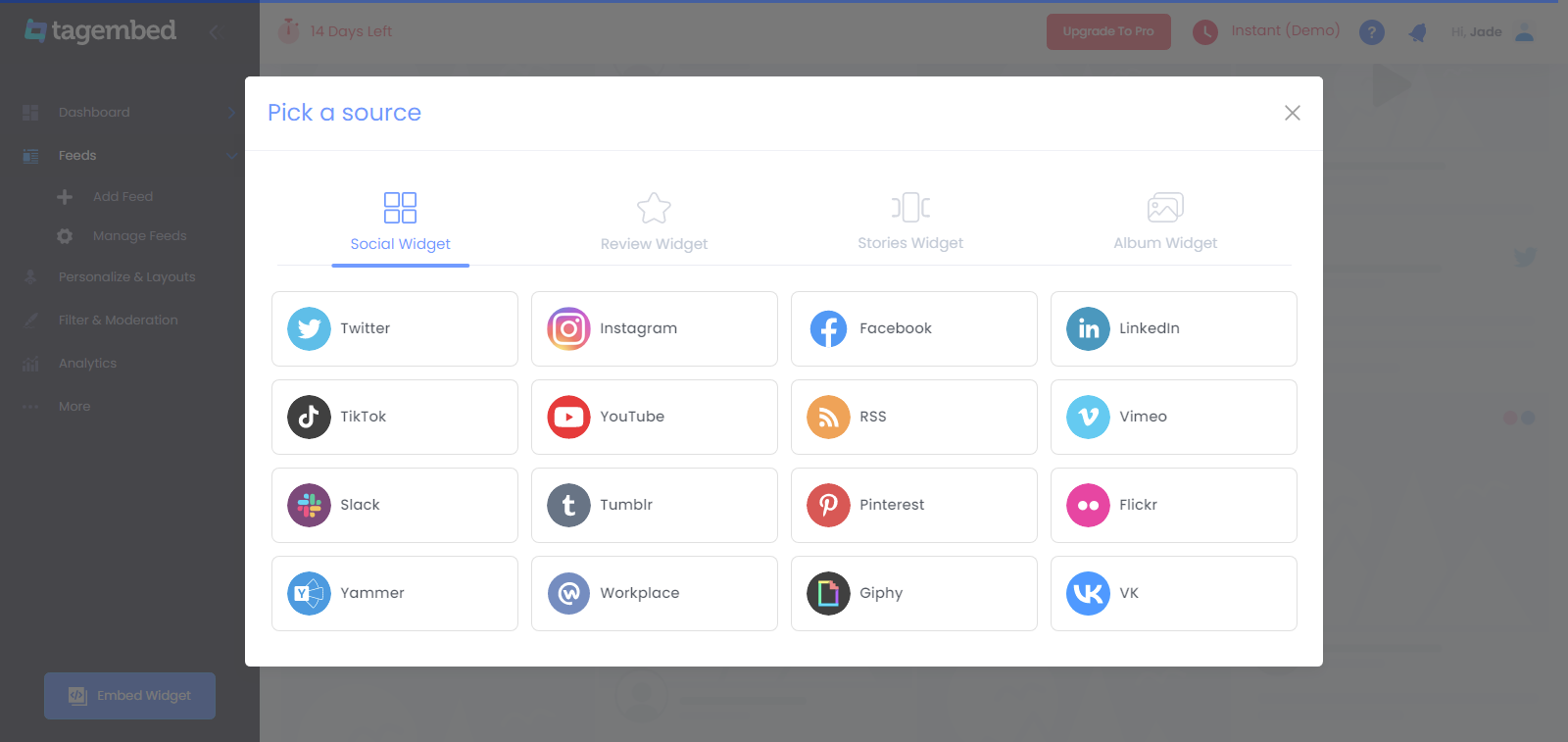
  3. Embedding Instagram feeds on site means more people can see them and that can get you more Instagram followers.
  4. Instagram feeds can also give your customers an amazing online shopping experience. You can add shoppable Instagram feeds to your personal website and directly sell out your products.

Now, let’s see Elementor Instagram feeds can help you promote your product/business and get more sales in lots of ways.

Over To You

Elementor is an amazing website platform to add an Instagram feed and efficiently boost your user engagement, brand awareness, and visibility, and eventually increase your sales and conversions.

Display Instagram feed on the Elementor website helps build social proof for your brand, making the Elementor website’s overall look more attractive and appealing.

Apart from this, it helps a great deal in improving your relationship with your customers. If you are a business or a brand and not using the power of social media by embedding Instagram feed on the Elementor website, then you are surely missing out on a lot.