Affiliate Marketing
linkedin

Affiliate Marketing on LinkedIn: What You Must Know

This passive income strategy that is affiliate marketing is becoming more popular among marketers who are now exploring LinkedIn as an effective platform for it. LinkedIn is primarily known as a networking site for professional people but is an untapped goldmine for affiliates wanting to sell to a higher-intent audience. On the other hand, LinkedIn is not like other social media sites. It has professionals, decision-makers, and industry leaders who are seeking a solution to their problems. All of these make it a great space to utilize when promoting high-value products and services through affiliate marketing.

In this article, we shall deliberate on Affiliate Marketing on LinkedIn, touching upon its effectiveness, getting-started ideas, fine-tuning strategies, and measuring success. After going through this guide, you should have a clear plan for starting your affiliate marketing ventures on LinkedIn.

Why Choose LinkedIn for Affiliate Marketing?

The importance of platforms, including Facebook, Instagram, and YouTube, is great for most affiliate marketers. Affiliate Marketing on LinkedIn, on the other hand, has its extraordinary benefits, which bring much better results into play in your affiliate marketing process.

1. A Professional and High-Intent Audience

Separate from ordinary social networking sites, the LinkedIn audience primarily includes professionals seeking actionable insights, business tools, and solutions. This means that, when promoting high-ticket or B2B affiliate products, LinkedIn has an audience that is much more likely to convert.

2. Less Competition

Because most affiliate marketers use other platforms, LinkedIn is not a particularly crowded platform which makes it a good weapon to use. If you can buoy yourself up as a thought leader to put out good value content, your competition will be less and it would be easy to build trust with people.

3. Organic Reach and Credibility Benefits

The LinkedIn algorithm favors just the Great Content, and this simply means that you could get a great deal of organic reach without having to pay an ounce on advertising. So, while you are creating content and engaging with others in the process, your authority will grow, thus enhancing your credibility and making your efforts toward LinkedIn for Affiliate Marketing all the more effective.

4. Opportunities for B2B and High-Ticket Affiliate Programs

LinkedIn is definitely the most suitable platform where you can promote business tools, software, and high-value courses. Regardless of whether you engage in the SaaS industry or you are a finance or consultancy professional, you can find respective products and services that can speak to your audience.

How to Get Started with Affiliate Marketing on LinkedIn

If you’re new to Affiliate Marketing on LinkedIn, follow these steps to set yourself up for success.

1. Choose the Right Affiliate Programs

However, creating a link for affiliate or referral programs is certainly not a productive use of time on LinkedIn. Choose programs from the niche of professionals, businesses, or industries that actively participate on LinkedIn, for example, SaaS products, career development courses, business coaching services, business consulting services, or digital marketing products.

2. Set Up a Professional LinkedIn Profile

Your LinkedIn profile is your personal brand, here are some optimization strategies to make it credible: 

  • A catchy headline should contain your niche. 
  • Build an ‘About’ Section that describes your proficiency. 
  • Feature Content that showcases past works, testimonials as well as case studies. 
  • Have a professional profile picture and banner.

3. Build a Relevant and Engaged Network

Build relationships with professionals, industry experts, and potential customers. Drive Engagement by interacting with their content, joining discussions, and fostering genuine connections before promoting your affiliate products. The backbone of successful Affiliate Marketing on LinkedIn is trust.

Best Strategies for Affiliate Marketing on LinkedIn

To effectively leverage Affiliate Marketing on LinkedIn, you need a strategic approach. Below are some of the best methods to promote affiliate products without being overly promotional.

1. Content Marketing

Your audience will be engaged, and credibility will be attained by providing unique content that is widely appreciated. An effective LinkedIn Content Strategy ensures that your posts resonate with your audience and drive meaningful interactions.

  • Write useful articles on LinkedIn: Publish well-researched articles that inform your audience on industry topics relevant to the affiliate product you sell.
  • Use storytelling techniques to create interesting posts: Relate your own experience through real-life events, case studies, and success stories that indirectly give relevance to an affiliate product.
  • Consider newsletters initiated by LinkedIn: Nurture a subscriber base by giving away value-added insights on grassroots to your niche.

2. Leverage LinkedIn Groups

  • Lately, many affiliate marketers are finding it beneficial to join specific LinkedIn groups where members of their target audience engage in professional matters.
  • Provide helpful insights and establish credibility for yourself before promoting any affiliate link. 
  • Participate in the conversation and answer pertinent questions that can start building your relationship.

3. Utilize LinkedIn Video & Live Features

  • Host a webinar and do live Q&A sessions to teach the audience about the affiliate products you promote. 
  • Create short video content explaining the benefits and features of affiliate products..

4. Direct Outreach & Relationship Building

  • Instead, use LinkedIn messaging for productive conversations rather than spamming links.
  • Outreach should give some benefit, for example, providing free resources or advice before the introduction of affiliate offers.
  • Personalization is necessary-messages should not contain cookie-cutter pitches.

Do’s and Don’ts of Affiliate Marketing on LinkedIn

Understanding the best practices for Affiliate Marketing on LinkedIn will help you maximize your success and avoid common pitfalls.

Do’s

  • Provide value before promoting affiliate products. 
  •  Engage consistently with your network through comments and shares. 
  •  Be authentic and build trust with your audience. 
  •  Use storytelling to make your promotions more relatable. 
  •  Focus on high-quality affiliate programs that align with your audience’s interests.

Don’ts

  •  Don’t spam your affiliate links in every post or message. 
  •  Avoid being overly sales-focused—build relationships first. 
  •  Don’t use clickbait tactics that damage your credibility. 
  •  Avoid promoting irrelevant products that don’t add value to your audience.

Measuring Success & Optimizing Performance

To ensure that your Affiliate Marketing on LinkedIn efforts are working, track and analyze key metrics.

1. Track Affiliate Link Clicks & Conversions

UTM parameters, URL shorteners, or affiliate dashboards should be adapted for tracking link performance. Find out which posts or strategies yield the highest conversions.

2. Utilize LinkedIn Analytics

Keep checking on your engagement rates, profile views and the growth or decrease in your followers. Understand which types of content your audience appreciates.

3. Adjust Content and Engagement Strategies

  • Conduct trials of different content such as video, text post or article. 
  • Engagement through comments and direct messages with one’s audience. 
  • Experiment with different styles of messaging in your affiliate promotions to discern what works best.

Maximize Profits with Affiliate Marketing on LinkedIn

If you want to get the most out of Affiliate Marketing on LinkedIn, you need to optimize your approach for maximum profitability.

1. Focus on High-Commission Affiliate Programs

Affiliate programs that provide high revenue-sharing and recurring revenue must be given a higher priority than other payment models in this context. High-margin items, software as a service (SaaS) products, coaching assignments, and premium memberships offer far better returns through the affiliate channel.

2. Utilize LinkedIn Ads for Targeted Promotion

Although organic reach has its benefits, LinkedIn Ads allow you to reach the audience you want. Sponsored content and InMail campaigns should be used for the promotion of more significant ticket affiliate offers.

3. Implement Lead Generation Strategies

  • Share free content such as eBooks, templates, or webinars to the users in exchange for their email addresses.
  • Use LinkedIn lead generation forms to gather potential customer details before marketing them an affiliate offer.

4. Repurpose Content Across Multiple Formats

One way to boost maximum reach is by taking the same content and repurposing it into different formats, such as blog, infographics, and email newsletter takes(ness). This greatly increases visibility and translates into greater affiliate sales.

5. Track Performance and Optimize Continuously

Scrutinize which of the posts, strategies, and affiliate products are performing best; hone your approach based on LinkedIn analytics and insights from the affiliate programs.

Affiliate Marketing on LinkedIn: Tips for More Sales

To maximize your affiliate sales on LinkedIn, you require a certain dose of strategy, consistency, and engagement. A strong LinkedIn Lead Generation approach can help you attract the right audience and boost conversions.

Following are some additional tips to help push your sales further:

  • Build Trust Before Selling: Before promoting affiliate products, establish yourself as a knowledgeable, helpful source.
  • Share Real-Life Case Studies and Testimonials: Highlight real-life scenarios where the product benefited its customers.
  • Poll and Survey Your Audience: Engage your audience by posing questions about your niche, subtly incorporating your affiliate recommendations.
  • Post at Peak Times: LinkedIn experiences the highest engagement on weekdays (Tuesday-Thursday), particularly in the morning and at lunchtime.
  • A/B Test Your Material: Experiment with different post formats, CTAs, and messaging strategies.
  • Encourage User-Generated Content: Ask your connections to share their experiences with the products you promote and tag you in their posts.

By implementing these tips, you can increase conversions and make Affiliate Marketing on LinkedIn more profitable in 2025.

Affiliate Marketing on LinkedIn: Grow & Monetize Fast

If you want to scale your affiliate marketing efforts on LinkedIn and get into profits fast, adopting a strong LinkedIn Marketing strategy is essential. Here are key strategies to help you succeed:

  • Expand Your Network Strategically: Connect with professionals inclined toward your niche, engage with their content, and consistently appear in their feeds.
  • Utilize LinkedIn Hashtags & SEO Techniques: Tag your posts with relevant hashtags and keywords to enhance visibility.
  • Collaborate with Influencers and Industry Experts: Partnering with authoritative professionals on LinkedIn can give your affiliate promotions a significant boost in credibility and reach.
  • Monetize Free Value (Lead Magnets): Offer free content such as eBooks or webinars that subtly include affiliate links as part of the solution.
  • Be Consistent and Measure: Regularly review LinkedIn analytics to identify what works best and adjust your strategy accordingly.

By following these steps, you can accelerate growth and maximize your affiliate income through Affiliate Marketing on LinkedIn in 2025.

VII. Conclusion

Affiliate marketing is one such type of marketing that helps generate great income on the other side, and among those different platforms, LinkedIn can be seen as one of the most advantageous access points that many professionals have in today’s age to run the affiliate marketing game. Using relevance in your content, building genuine relationships, and avoiding specialties from your attempt to make you an effective grower in Affiliate Marketing on LinkedIn will get you to great levels in income generation.

Thus, start optimizing your LinkedIn profile, adding valuable content, and reach out strategically to your audience. And, at the same time, remember to keep track of your progress along those lines so that as you adopt those strategies, you can adapt your approach to maximize conversions. 

So now that you have an understanding of what affiliate marketing on LinkedIn is all about, it is time to put this all into action. Build your networks, share valuable insights, and position yourself as a trusted affiliate marketer on LinkedIn!


Uncategorized

The Power of Google Product Reviews in Modern Marketing

In today’s digital-first world, Google Product Reviews have become a cornerstone of online marketing. They influence purchasing decisions, help build brand trust, and can even improve your search rankings. Whether you’re a small business or a large enterprise, integrating Google Product Reviews into your marketing strategy is essential for success.

In this article, we will explore the power of Google product reviews, how they impact your brand, and how you can leverage tools like Google review widgets, Google review plugins, and Google review automation to streamline the process. By the end, you’ll understand why more Google reviews are vital to your digital marketing efforts and how to effectively showcase them on your website.

1. The Role of Google Product Reviews in Modern Marketing

Google reviews are one of the most trusted forms of social proof available to businesses today. Google Product Reviews offer potential customers insight into the experiences of previous buyers, helping them make more informed decisions.

Why Google Product Reviews Matter

  • Trust & Credibility: Customers are more likely to trust a business with positive reviews on Google. According to a study, 92% of consumers read online reviews before making a purchase, and Google is the go-to platform for many.
  • Increased Visibility: Positive Google reviews can improve your visibility on Google search results and Google Shopping, boosting both organic traffic and sales.
  • Better Conversion Rates: Customers who see positive feedback are more likely to convert. The presence of product reviews directly on your website or in search results creates confidence and encourages action.

As consumer behavior continues to evolve, Google Product Reviews will remain an essential part of modern marketing strategies.

2. How to Get More Google Reviews

If you’re looking to increase your Google Product Reviews, you need a strategy to encourage customers to leave feedback. The more reviews you have, the more social proof you build, making it easier to attract new customers.

Tips to Get More Google Reviews:

  • Ask for Reviews: Politely ask satisfied customers to leave a review. Timing is key—ask for feedback soon after a purchase or service is completed.
  • Provide Direct Links: Make it easy for customers by sending them a direct link to your Google review page via email or SMS.
  • Automate the Process: Use Google review automation tools to send automatic follow-up emails requesting reviews after a customer interaction.
  • Incentivize (Carefully): Offer incentives, such as discounts or freebies, for leaving a review—but be cautious not to violate Google’s guidelines by offering rewards for positive reviews specifically.

The more reviews you collect, the better your chances are of increasing your online visibility, brand authority, and customer trust.

3. The Power of Displaying Google Reviews on Your Website

Displaying customer reviews on your website is a great way to boost trust and convert visitors into customers. Positive Google reviews act as testimonials that reinforce the value of your products or services.

Why Displaying Google Reviews Helps:

  • Instant Trust: When visitors see real, positive feedback from customers, they are more likely to trust your brand and make a purchase.
  • SEO Benefits: Embedding Google reviews on your website can improve your SEO. Google rewards websites with fresh, user-generated content, which includes reviews.
  • Social Proof: Reviews create social proof by showcasing that other people are satisfied with your products, which can influence others’ purchasing decisions.

By integrating Google reviews directly on your product pages or home page, you create an atmosphere of credibility that encourages visitors to trust your brand.

4. Leveraging a Google Review Widget for Better Engagement

One of the easiest ways to showcase Google Product Reviews is by using a Google review widget on your website. This widget allows you to display real-time customer reviews dynamically, making it easier for visitors to read feedback without navigating away from your site.

Benefits of a Google Review Widget:

  • Seamless Integration: A Google review widget integrates with your website and displays your most recent reviews automatically. This keeps your website fresh and engaging.
  • Real-Time Updates: The widget is constantly updated with new reviews, ensuring your site always has up-to-date feedback from customers.
  • Customizable Display: You can choose how reviews are displayed, whether in a carousel format, grid, or list, to match your website’s design.

Using a Google review widget is a great way to increase engagement, boost credibility, and encourage visitors to explore more of your products.

5. How Google Review Plugins Can Streamline the Process

If you’re using a content management system (CMS) like WordPress, a Google review plugin can make the process of displaying reviews on your website even easier. Plugins offer an array of features that help businesses integrate Google reviews without any coding knowledge.

Advantages of Using a Google Review Plugin:

  • Simple Setup: Most Google review plugins are user-friendly and don’t require advanced technical knowledge. Simply install, configure, and start displaying reviews.
  • Customization Options: Google review plugins often come with customization options that allow you to modify the look of the review section on your website.
  • Automatic Updates: These plugins can automatically update reviews without requiring manual input, ensuring that your site always has the latest feedback.

For businesses looking for an efficient and effective way to display Google Product Reviews, using a plugin can save time and improve overall functionality.

6. The Role of Google Review Automation in Gathering Feedback

Collecting Google Product Reviews can be a time-consuming task. Fortunately, Google review automation tools can help streamline the process and ensure that you consistently receive reviews without much manual effort, allowing you to collect Google reviews fast.

Benefits of Google Review Automation:

  • Time-Saving: Automation tools send review requests to customers automatically, eliminating the need to manually send emails or messages.
  • Increased Response Rates: Automated review requests can be personalized and timed perfectly, leading to higher response rates.
  • Follow-Up: Automation allows for follow-up emails to be sent if a customer hasn’t left a review within a certain timeframe.

By using Google review automation, you can get Google reviews fast, ensuring a steady flow of customer feedback to enhance your brand’s online reputation.

7. Why Google Product Reviews Improve Your SEO

Google reviews aren’t just valuable for trust and conversions—they can also have a significant impact on your SEO efforts. Google tends to rank businesses with more reviews higher in search results, giving you a competitive edge.

How Google Reviews Boost SEO:

  • Increased Local Search Visibility: Businesses with more Google reviews often rank higher in local search results, making it easier for potential customers to find your business.
  • Fresh Content: Reviews provide fresh content for your Google My Business (GMB) profile. Google values fresh content, which can lead to better search rankings.
  • Keyword Relevance: Customers often leave keywords related to your business in their reviews. These keywords can help improve your SEO by adding relevant terms to your Google listing.

To improve your SEO, it’s essential to have a solid strategy for collecting, displaying, and responding to Google Product Reviews. The more positive reviews you have, the higher the chances of ranking on the first page of Google search results.

Conclusion: Harnessing the Power of Google Product Reviews

Google Product Reviews are an invaluable asset in modern marketing. They help build trust, increase conversions, improve SEO, and enhance your brand’s reputation. By employing strategies like asking for reviews directly, using a Google review widget, and leveraging Google review plugins and Google review automation, you can streamline the process of collecting and displaying reviews.

Key Takeaways:

  • More Google Reviews increase your credibility and attract more customers.
  • Displaying Google Reviews on your website boosts trust and engagement.
  • A Google review widget allows for easy integration and real-time updates.
  • Google review plugins simplify the process of showcasing reviews on your site.
  • Google review automation saves time and increases review collection efficiency.

By consistently gathering and showcasing Google Product Reviews, you can enhance your marketing strategy and stay ahead in an increasingly competitive digital marketplace.

Action Steps:

  • Start by setting up Google review automation to collect reviews from your customers.
  • Use Google review widgets or Google review plugins to display those reviews seamlessly on your website.
  • Leverage the power of Google reviews for SEO and improved brand reputation.

Integrating Google Product Reviews into your marketing strategy will undoubtedly help you build trust, engage with customers, and drive more sales.

Digital Marketing, Reviews, Social Media Marketing, Technology

5 Strategies to Get More Google Reviews Fast

Google reviews have become a cornerstone of digital marketing and brand reputation. They provide social proof, improve SEO, and help attract more customers to your business. However, acquiring Google reviews doesn’t always happen organically. To effectively boost your Google reviews, you’ll need a strategy in place.

In this article, we will discuss 5 strategies to get more Google reviews fast, along with tools such as Google review widgets and Google review plugins that can make this process even easier. Whether you’re a small business owner or a marketer looking to enhance your online presence, these tips will help you build a solid reputation quickly.

1. Ask Customers Directly for Google Reviews

One of the simplest and most effective ways to get more Google reviews is to ask your customers directly. Sometimes, customers are willing to leave a review but just need a gentle nudge or reminder. Asking for a review at the right moment can increase the likelihood of them following through.

How to ask for reviews:

  • Timing: Ask for a review shortly after the transaction when customers are still feeling positive about your product or service. For example, after delivering a product, completing a service, or following up on a positive interaction.
  • Be Clear: Politely ask them to leave a review on Google. You can make it easy by providing a direct link to your Google My Business (GMB) page.
  • Personalize the Request: A personal, friendly approach can help. Thank your customers for their business and let them know that their feedback is important to you.

Tools to help:

  • Google Review Widget: You can use a Google review widget on your website to make it easy for customers to leave reviews directly. A review widget prominently displays recent reviews and provides an easy way for visitors to leave their own.

By asking directly and making the process simple, you’ll significantly boost the number of reviews you receive.

2. Make It Easy to Leave a Google Review

While asking customers directly is important, you also need to make it easy for them to leave a review. The less effort required from your customers, the more likely they will be to take the time to write a review. This is where technology can really help.

How to simplify the process:

  • Provide Direct Links: Create a direct link to your Google My Business (GMB) review page. You can generate a review link from your GMB dashboard or use services that create a short, shareable link.
  • Send Follow-up Emails: After the transaction or interaction, send customers a thank-you email with a direct link to leave a review. Include clear instructions on how to leave a review.
  • Use QR Codes: If you have a physical store or location, consider using a QR code that leads directly to your review page. Display it on receipts, brochures, or your storefront.

Tools to help:

  • Embed Google Review: You can embed Google reviews directly on your website to showcase your existing reviews and encourage new customers to leave their own. An embed Google review feature not only increases visibility but also creates a sense of trust and transparency.

The easier you make it for customers to leave feedback, the more reviews you’ll get. Simplifying the review process will ensure a quicker and more efficient flow of reviews.

3. Leverage Social Media to Ask for Reviews

Social media is an excellent channel for reaching out to your audience and asking for Google reviews. If you already have a following on Facebook, Instagram, or Twitter, use these platforms to ask your customers to leave reviews on Google.

How to leverage social media:

  • Create a Call-to-Action Post: Write a post asking your followers to leave a review on Google. Make sure to include the direct review link, and offer a friendly reminder about how much their feedback matters.
  • Pin the Review Post: Pin the post to the top of your social media page so it gets maximum exposure. You can also make the post more engaging by offering an incentive, like a discount or freebie, for those who leave a review.
  • Share Customer Testimonials: Sharing positive testimonials on your social media channels can motivate others to leave their own reviews.

Tools to help:

  • Google Review Plugin: If you use a content management system (CMS) like WordPress, consider installing a Google review plugin to display your Google reviews directly on your site. This keeps your reviews front and center and makes it easier for customers to engage with them.

When customers see others leaving positive reviews, they’re more likely to do the same. Use social proof to your advantage by sharing your best reviews across your social media platforms.

4. Offer Incentives for Reviews (Without Violating Google’s Guidelines)

Offering incentives for reviews can be a great motivator for customers to leave feedback. However, it’s important to note that Google’s guidelines strictly prohibit offering incentives in exchange for positive reviews. Incentives should be used as a general thank-you gesture, not as a reward for a specific rating. This approach helps build social proof, as authentic, unbiased reviews from satisfied customers are far more valuable in boosting your brand’s credibility and trust.

How to incentivize reviews:

  • Provide a Discount or Special Offer: Offer a small discount or a promotional offer on future purchases for those who leave a review. You could also offer an entry into a giveaway for a chance to win a prize.
  • Reward Customers for Their Time: Show appreciation for the time your customers spend leaving feedback. A simple thank-you note or acknowledgment can go a long way.

Tools to help:

  • Google Review Widget: A Google review widget can help you collect and display reviews from customers who have taken part in your incentive program. This will encourage other customers to leave their reviews and enhance your business’s online presence.

When used correctly, incentives can create a positive experience for customers while boosting the number of reviews you receive. Just make sure to avoid anything that could be construed as “buying” reviews.

5. Respond to Reviews to Encourage More Feedback

Engagement doesn’t stop once you get a review. In fact, responding to reviews — both positive and negative — can create an even stronger connection with your customers and encourage others to leave their feedback.

Why responding to reviews matters:

  • It Shows You Care: When customers see that you are actively engaging with your reviewers, it shows that you value their feedback and are committed to improving your service.
  • Encourages New Reviews: By responding to reviews, you demonstrate that you are attentive to customer input. This can prompt other satisfied customers to leave their own reviews.
  • Resolve Issues: Responding to negative reviews with professionalism and a solution-oriented approach can turn a negative experience into a positive one and help prevent a PR crisis.

Tools to help:

  • Embed Google Review: To make your review responses even more visible, you can embed Google reviews on your website. This showcases not only the feedback but also how you interact with your customers. A positive review interaction creates trust and encourages more feedback from future customers.

By engaging with your customers through responses, you can show that you care about their feedback and make your business seem more approachable and human.

Conclusion

Getting more Google reviews quickly is essential for building trust, improving your online presence, and attracting more customers. By following these five strategies, you can make the process easier for both you and your customers, leading to a steady flow of positive feedback.

Key Takeaways:

  • Ask directly and politely: Engage with customers at the right moment and request reviews through direct links.
  • Simplify the process: Use tools like Google review widgets and embed Google review features to make leaving reviews as easy as possible.
  • Leverage social media: Reach out to your followers and share your existing reviews on your social channels.
  • Offer incentives: Provide a small incentive to encourage customers to leave a review, while adhering to Google’s guidelines.
  • Respond to reviews: Actively engage with reviewers to show appreciation and foster trust.

By making Google reviews a priority in your digital strategy and leveraging tools like Google review plugins and Google review widgets, you can accelerate the growth of your online reputation. The more reviews you collect, the more likely you are to increase your brand’s visibility, customer loyalty, and ultimately, sales.

Uncategorized

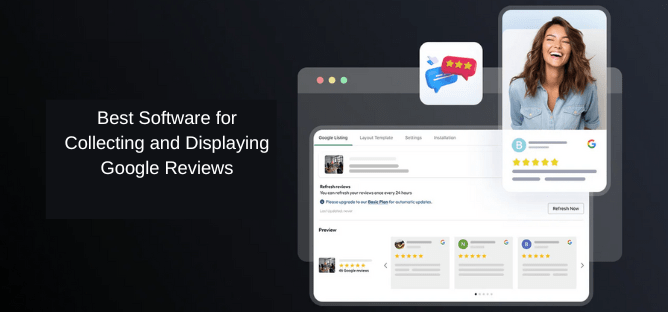
The Best Software for Collecting and Displaying Google Reviews

In the world of e-commerce, online reviews have become one of the most crucial factors influencing consumer behavior. Google reviews, in particular, carry significant weight in building trust and credibility for businesses. By displaying Google reviews on your website, you can effectively showcase customer satisfaction, boost your brand’s credibility, and ultimately drive conversions. However, collecting and displaying Google reviews manually can be time-consuming and difficult to manage. Fortunately, there are various software tools available to streamline this process. In this article, we will explore the best software options for collecting and displaying Google reviews and discuss why integrating these tools can benefit your business.

Why Google Reviews Matter for Your Business

Before diving into the software tools, it’s essential to understand the significance of Google reviews for your business:

  • Building Trust: Google reviews act as social proof, showing potential customers that others have had positive experiences with your business. Positive reviews can help build trust and establish credibility.
  • Improving SEO: Google considers reviews as part of its ranking algorithm. Businesses with more positive reviews are likely to rank higher in local search results, which can result in increased website traffic and more conversions.
  • Customer Decisions: A study by BrightLocal found that 79% of consumers trust online reviews as much as personal recommendations. As a result, displaying Google reviews can significantly influence purchasing decisions.

Best Software for Collecting and Displaying Google Reviews

Now that we understand the importance of Google reviews, let’s explore the best software for collecting and displaying them on your website. Using the right tools will help you showcase reviews effectively and automate the process to save time and resources.

1. Google Review Widget

Google review widget is one of the most efficient ways to display your Google reviews directly on your website. This tool pulls customer reviews from your Google My Business listing and shows them on your site in a clean and easy-to-read format. Here are the key benefits of using a Google review widget:

  • Instant Display: Customers can immediately view your reviews as soon as they visit your website, which increases the chances of conversion.
  • Customizable Design: Most Google review widgets are customizable, allowing you to tailor the appearance to match your website’s design and branding.
  • Easy Integration: Adding a Google review widget to your website is simple and doesn’t require advanced technical skills.

The Google review widget ensures that positive feedback from customers is prominently displayed, making your website more credible and trustworthy.

2. Google Review Automation

Google review automation tools take the hassle out of collecting reviews. Instead of manually requesting reviews from your customers, automation tools allow you to set up automated emails, SMS, or other messaging options to request reviews from your customers at the right time. Here’s why it’s valuable:

  • Time-Saving: You don’t have to worry about sending review requests manually, freeing up your time for other business tasks.
  • Higher Review Volume: Automation ensures that more customers receive review requests, leading to a higher volume of reviews.
  • Consistent Follow-Ups: Automated reminders can be set up to follow up with customers who haven’t left a review yet, increasing your chances of getting valuable feedback.

By automating the review collection process, businesses can gather more customer feedback with minimal effort.

3. Embed Google Reviews

Another great way to showcase customer feedback is to embed Google reviews directly on your website. When you embed Google reviews, you place them directly within your content, allowing customers to see the reviews without leaving your site. This integration can be highly effective for a few reasons:

  • Improved User Experience: Visitors to your site can instantly read reviews, which keeps them engaged without navigating to external platforms.
  • Increased Conversions: Positive reviews can encourage potential customers to take action, whether that’s making a purchase, signing up for a service, or reaching out for more information.
  • Better Trust Signals: Embedding reviews from a trusted source like Google adds credibility to your business and increases trust with potential customers.

By embedding Google reviews, you make it easy for site visitors to engage with the reviews without distractions, potentially increasing conversion rates.

4. Google Review Plugin

A Google review plugin is an excellent tool for businesses that want to integrate Google reviews seamlessly into their website. This plugin helps you collect and display reviews in an attractive, professional manner. Here’s why using a Google review plugin can be beneficial:

  • Easy Integration: Most plugins are designed for easy installation and integration, with little to no coding required.
  • Customizable Display Options: With a Google review plugin, you can choose how reviews are displayed, whether in a grid format, a slider, or a list. This flexibility allows you to match the display style with your website’s design.
  • Advanced Features: Some plugins come with additional features like review sorting, filtering by rating, or displaying reviews from multiple sources.

Using a Google review plugin gives you complete control over how reviews appear on your website, ensuring that they’re displayed in the most effective way possible.

5. Customer Review Widget

A customer review widget is a versatile tool that not only displays Google reviews but also integrates reviews from other platforms such as Yelp, Facebook, or Trustpilot. This can be especially helpful if your business has reviews across multiple sites. The benefits include:

  • Multi-Platform Integration: A customer review widget allows you to display reviews from various sources in one place, giving potential customers a comprehensive view of your reputation.
  • Social Proof: By displaying reviews from multiple platforms, you further enhance your business’s credibility and increase the chances of conversion.
  • Customization Options: Most review widgets are highly customizable, allowing you to match the design and layout with your website’s aesthetics.

A customer review widget enables you to consolidate all your reviews into one place, making it easier for customers to see the full picture of your business’s reputation.

6. Social Media Feed Plugin

A social media feed plugin can help you integrate your social media channels, including Facebook, Instagram, and Twitter, into your website. While this is often used to display posts and updates, you can also use it to showcase customer reviews shared on your social media accounts. This is beneficial for several reasons:

  • Real-Time Updates: Social media feed plugins update automatically, so you can display the most current reviews and customer feedback without any manual effort.
  • Increased Engagement: Visitors can interact with your social media posts directly from your website, encouraging them to follow your social media accounts and engage with your brand.
  • Streamlined Integration: A social media feed plugin allows you to display a cohesive and integrated social media presence, enhancing your online reputation.

Using a social media feed plugin not only helps you display reviews but also keeps your website dynamic by showing real-time customer engagement.

Best Practices for Collecting and Displaying Google Reviews

To maximize the effectiveness of these software tools, consider these best practices:

  1. Ask for Reviews at the Right Time
    Request reviews after customers have had a positive experience with your product or service. Timing is essential to getting higher-quality reviews.
  2. Encourage Honest Feedback
    Encourage customers to provide honest feedback, both positive and constructive. This helps build trust with potential customers and gives you valuable insights for improvement.
  3. Respond to Reviews
    Always take the time to respond to customer reviews, both positive and negative. This shows that you value customer feedback and are dedicated to improving your business.
  4. Highlight Positive Reviews
    Display positive reviews prominently on your website, especially on high-traffic pages such as product pages, landing pages, and your homepage. This maximizes their impact.
  5. Monitor and Moderate Reviews
    Regularly monitor the reviews displayed on your website to ensure they remain relevant and appropriate. Remove spammy or irrelevant reviews and ensure the reviews you show align with your brand’s values.

Conclusion

Displaying Google reviews on your website is one of the most effective ways to increase trust, boost your SEO, and drive conversions. By using the right software, such as a Google review widget, Google review automation, embed Google reviews, Google review plugin, and customer review widget, you can easily collect and display reviews while saving time and effort. Incorporating a social media feed plugin further enhances your online presence by showcasing real-time customer engagement.

By following best practices and utilizing these software tools, you can ensure that your Google reviews work to their full potential, helping you build credibility and ultimately drive more conversions for your business.

Digital Marketing, Reviews, Technology

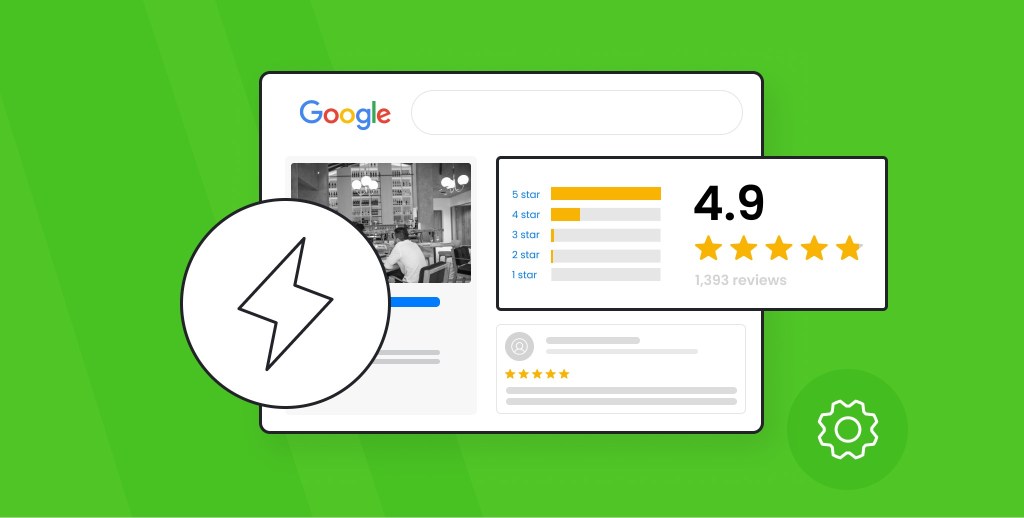
The Ultimate Guide to Google Reviews for Restaurants: Best Practices and Tips

In today’s digital world, online reviews are more important than ever, especially for restaurants. Among the various platforms where reviews are posted, Google reviews hold significant weight. They impact your google review restaurant’s visibility on Google, affect your search rankings, and influence potential customers’ decisions. This guide is designed to walk you through the best practices for obtaining and managing Google reviews to enhance your restaurant’s online presence and reputation.

Why Google Reviews Matter for Restaurants

Before diving into the strategies for increasing your Google reviews, let’s take a moment to understand why they matter:

  • Increased Online Visibility: Positive Google reviews improve your restaurant’s chances of appearing in local search results, making it easier for customers to find you.
  • Boosted Trust and Credibility: Customers trust online reviews almost as much as personal recommendations. Great reviews can persuade potential customers to choose your restaurant over competitors, leveraging social proof to demonstrate your quality and reliability.
  • Improved SEO Rankings: Google’s search algorithms favor businesses with higher-quality reviews, which can increase your restaurant’s rankings in local search results.
  • Higher Conversion Rates: Customers are more likely to visit your restaurant when they see positive feedback from other diners, leading to increased reservations and foot traffic. The positive social proof created by glowing reviews can significantly influence a potential customer’s decision to dine with you.

Now that you understand the importance of Google reviews, let’s explore the best practices for obtaining and managing them.

1. Create a Google My Business Profile

To get started with Google reviews, you need a Google My Business (GMB) profile. This free business profile is essential for any small business like a restaurant looking to boost its online presence.

Steps to set up your Google My Business profile:

  • Claim your business: Visit the Google My Business website and search for your restaurant. If it’s listed, claim ownership; if not, create a new listing.
  • Complete your profile: Fill in all the necessary details, such as your business name, address, phone number, hours of operation, and website link.
  • Add attractive photos: Upload high-quality images of your restaurant, food, and ambiance. Photos improve engagement and make your restaurant more appealing to potential customers.
  • Verify your business: Google will require you to verify your restaurant’s information via phone, email, or mail before your listing becomes active.

Once your profile is live, your restaurant will be ready to start collecting reviews from customers.

2. Ask Customers for Reviews (The Right Way)

One of the simplest yet most effective ways to garner Google reviews is by asking your customers directly. However, it’s important to approach this request in a way that doesn’t feel pushy or intrusive.

Best Practices for Asking for Reviews:

  • Timing is key: Ask for a review when customers are happiest—after a great meal or when they’ve expressed satisfaction with their dining experience.
  • Make it easy: Provide a direct link to your Google review page, either on your website or through a follow-up email. You can even add a Google review widget to your site, making it easier for customers to leave feedback with just a few clicks.
  • Personalize your request: Instead of a generic ask, personalize the message based on the customer’s dining experience. If they mentioned they loved the food or the service, remind them of that when requesting a review.
  • Leverage staff: Train your servers and front-of-house team to kindly request reviews at the end of the meal. It helps when employees are enthusiastic and genuinely care about customer feedback.

Example Request:

“We hope you enjoyed your meal! If you have a moment, we’d love for you to share your experience with others on Google. Here’s the link to leave a review: [Insert link]. Your feedback means the world to us!”

“Engage Your Visitors with Authentic Customer Reviews. Start Free with Tagbox!”

3. Use a Google Review Widget on Your Website

To make it as easy as possible for your customers to leave reviews, consider adding a Google review widget to your WordPress website. A Google review widget allows visitors to your website to read and leave reviews directly from your site, streamlining the review process and encouraging more participation.

How to Add a Google Review Widget to Your Website:

  1. Choose a widget provider: Many third-party tools like Tagembed offer Google review widgets that can easily be embedded into your website. These tools usually have customization options to match the look and feel of your website.
  2. Generate a widget: After selecting a provider, connect your Google My Business account to generate a widget that displays recent reviews.
  3. Embed the widget: Once the widget is created, you’ll receive a code that can be added to your WordPress website. Paste the code into your website’s HTML where you want the widget to appear, such as on your homepage or a dedicated reviews page.
  4. Customize the display: Customize the widget’s appearance to match your website’s design, including review ratings, number of reviews, and layout style.

Why Use a Google Review Widget?

  • Increases trust: Having live, up-to-date reviews displayed directly on your site shows prospective customers that you’re trustworthy and transparent.
  • Encourages customer reviews: When customer review visitors see the reviews already on your site, they may be more inclined to add their own feedback.
  • Convenience for customers: It’s easy for customers to leave a review when they don’t have to leave your website. The widget makes the process quick and simple.

4. Respond to Reviews (Positive and Negative)

Engaging with your customers by responding to their reviews—both positive and negative—is critical to maintaining a good relationship with your audience and showcasing excellent customer service.

Why Responding Matters:

  • It shows you care: Replying to reviews lets customers know that you value their feedback and care about their experience.
  • It builds relationships: Responding to reviews can turn a one-time diner into a loyal customer, especially when you address their concerns or thank them for their compliments.
  • It improves SEO: Google rewards businesses that actively engage with reviews, which can improve your local search rankings. Additionally, you can make it easier for customers to leave and view reviews by integrating a review plugin for WordPress website, streamlining the process and enhancing your interaction with customers.

How to Respond to Positive Reviews:

  • Express gratitude: Acknowledge the reviewer’s kind words and thank them for their feedback.
  • Be specific: Reference something specific they mentioned, such as a dish they loved, to make your response more personal.
  • Encourage them to return: Invite the customer back with an invitation to try new menu items or special offers.

Example Response:

“Thank you so much for the kind words! We’re thrilled to hear that you enjoyed the pasta. We’d love to have you back soon to try our new seasonal dessert menu. See you again soon!”

How to Respond to Negative Reviews:

  • Acknowledge the issue: Address the customer’s complaint in a polite and professional manner.
  • Apologize sincerely: Even if the issue was beyond your control, offer a genuine apology.
  • Offer a solution: If possible, suggest a remedy for the problem they encountered or invite them to contact you directly to discuss further.
  • Take it offline: If the issue is complex or sensitive, offer to resolve it privately via email or phone.

Example Response:

“We’re very sorry to hear that your experience wasn’t up to our usual standards. We take all feedback seriously and would love to make things right. Please contact us at [email] so we can address your concerns directly.”

5. Utilize a Marketing Tool to Automate Review Requests

If you’re finding it challenging to stay on top of review requests, consider using a marketing tool that automates the process. Many tools integrate with Google My Business and allow you to send automated email or SMS requests to customers after their visit.

Benefits of Using a Marketing Tool:

  • Saves time: Automation ensures that review requests are sent promptly without requiring manual follow-up.
  • Personalized requests: Many tools allow you to personalize the message based on customer data.
  • Track results: You can easily monitor how many requests were sent and how many reviews you’ve received.

Popular tools like ReviewPush and Trustpilot allow restaurants to create and manage review requests, helping you stay proactive and on top of the process.

6. Promote Positive Reviews on Social Media

Once you start accumulating positive Google reviews, don’t keep them to yourself. Share them on your social media channels to spread the word about your excellent reputation.

Tips for Sharing Reviews on Social Media:

  • Create visually appealing posts: Use eye-catching graphics to display the review along with the customer’s feedback.
  • Tag the customer (if possible): If the customer’s review is shared publicly on social media, tag them to make the post more personal.
  • Encourage others to leave reviews: Use your social media platforms to remind your audience to leave reviews after dining with you.

Example Post:

“We’re so grateful for our amazing customers! Check out this lovely review from [Customer Name]. If you’ve dined with us recently, we’d love to hear about your experience on Google!”

Conclusion

Google reviews are a powerful tool for increasing your restaurant’s visibility, building trust with customers, and improving your SEO rankings. By following these best practices, including setting up a Google My Business profile, asking customers for reviews the right way, responding to feedback, and utilizing marketing tools, you can create a strategy that encourages positive reviews and strengthens your restaurant’s reputation.

Implementing a Google review widget on your WordPress website makes it even easier for customers to leave feedback, while responding to reviews helps build lasting relationships with your clientele. Remember, the more active and engaged you are with your customers online, the greater the rewards for your restaurant.

Start following these strategies today and watch your Google reviews—and your restaurant’s success—grow.