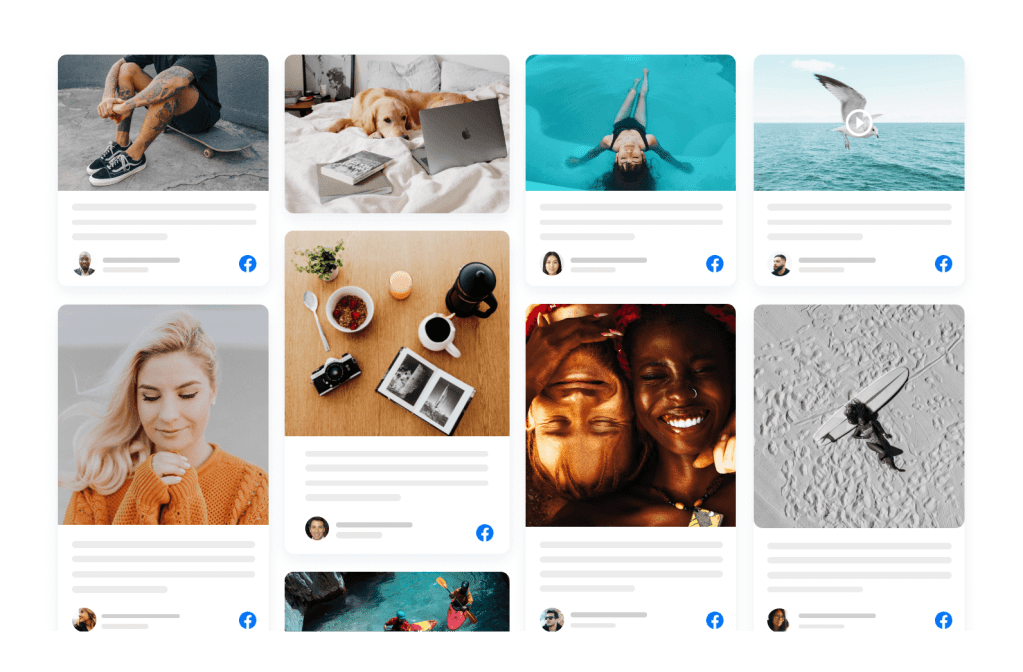
How To Customize Your Facebook Widget
facebook widget

How To Customize Your Facebook Widget for Maximum Impact on Your Site

In today’s digital world, social media plays a critical role in connecting businesses with their audience. Facebook, with its massive user base, offers a wealth of opportunities for businesses to engage with customers, share updates, and build trust. One of the easiest ways to integrate Facebook into your website is by adding a Facebook widget. But how do you customize your Facebook widget to make the most of this tool?

Customizing your Facebook widget can help you enhance user experience, increase engagement, and better reflect your brand’s identity. In this guide, we will explore the best strategies to customize your Facebook widget for maximum impact on your website, while also focusing on features like Facebook feed on website, Facebook widget without coding, and Facebook widget analytics.

Why Customizing Your Facebook Widget Matters

Before diving into customization options, it’s important to understand why customizing a Facebook widget is so beneficial. By default, Facebook provides an easy-to-embed widget that allows businesses to showcase their Facebook page feed on their website. However, a generic widget might not fully represent your brand’s unique voice, design, or objectives.

By customizing your Facebook widget, you ensure that it blends seamlessly with your website’s design, aligns with your marketing goals, and provides visitors with an engaging, interactive experience. Customization also allows you to:

  • Maintain brand consistency: Ensure the widget fits with your website’s overall theme and design.
  • Increase user engagement: A well-integrated widget encourages visitors to interact with your social media content.
  • Track performance: With analytics, you can measure the widget’s impact on user behavior and conversions.

How to Customize Your Facebook Widget

1. Choosing the Right Widget Type

The first step in customizing your Facebook widget is to choose the right type of widget for your website. There are several options available, including:

  • Facebook Page Plugin: This widget displays your Facebook Page’s feed, allowing visitors to see recent posts, like your page, and follow updates directly from your site.
  • Facebook Feed Plugin: This widget allows you to display posts from your feed on your website, including photos, videos, and text updates.
  • Facebook Comments Plugin: This allows visitors to comment on your website using their Facebook account, encouraging social interaction and engagement.

Choosing the right widget depends on your goals. For example, if you want to increase your Facebook followers, the Facebook Page Plugin might be best, while the Facebook Feed Plugin is perfect for displaying real-time updates on your site.

2. Customizing the Visual Design of Your Widget

Once you’ve chosen the right widget, the next step is customization. It’s crucial that the widget matches your website’s branding to create a cohesive experience for visitors. Here’s how you can customize the visual design:

a) Color and Theme

Facebook allows you to customize the color scheme of your widget. Choose colors that align with your brand’s color palette to maintain consistency across your site. You can typically choose between light and dark themes, depending on the overall look of your website.

For example, if your website uses a dark background, a light theme for the Facebook widget will stand out and be more visible. On the other hand, if your website has a light background, a dark theme can make the widget pop.

b) Widget Size and Layout

The size and layout of your Facebook widget are important for its visibility and functionality. You don’t want the widget to be too large and distract from your content, but it should also be large enough to be easily noticeable and functional. Facebook offers multiple layout options, such as:

  • Standard layout: A clean and minimalistic design that displays your most recent posts and allows visitors to interact with your Facebook page.
  • Scrollable feed: A dynamic feed that enables users to scroll through your recent posts directly on your site.
  • Compact layout: A smaller version of the widget, ideal for sites with limited space but still offering some social proof and interaction.

c) Customizing Fonts and Styles

Facebook widgets typically use default fonts and styles, but you can often adjust these to match your website’s typography. Whether you want to change the font size, style, or even the text color, customizing the fonts will give your widget a more personalized look. Be mindful of your website’s overall design and ensure that the text remains readable and harmonious with the rest of the content.

3. Add a Call-to-Action (CTA) to the Widget

A Facebook widget can be more than just a static feed; it can be a powerful marketing tool. Adding a call-to-action (CTA) within the widget or near it can significantly increase user interaction. For example:

  • Like our page: Encourage visitors to follow your Facebook page directly from the widget.
  • Share this post: If you want to promote a particular post, you can add a “Share” CTA to encourage visitors to share content with their network.
  • Contact Us: If you want visitors to take further action, such as contacting you for more information, a CTA like “Contact Us” near your widget can help.

A Facebook feed on website widget with a clear and engaging CTA will keep users interacting with your brand beyond just browsing the feed.

4. Facebook Widget Without Coding

One of the best features of Facebook widgets is that you don’t need to know how to code to add them to your website. Several tools allow you to customize your Facebook widget without any technical expertise. Platforms like Taggbox, Elfsight, and Widgetbox provide user-friendly interfaces that let you easily embed a Facebook feed widget on your site.

These platforms also offer drag-and-drop customization options, allowing you to adjust the widget’s appearance and functionality without writing a single line of code. This is especially helpful for small business owners or marketers who want to maintain control over their website’s design without relying on developers.

5. Integrating Facebook Widget Analytics

Another important aspect of customizing your Facebook widget is measuring its impact. By integrating Facebook widget analytics, you can track key metrics such as:

  • Engagement: How often users interact with the widget, such as liking posts, commenting, or following your page.
  • Traffic: How many visitors click through the widget to your actual Facebook page.
  • Conversions: Whether users are taking the desired actions (like sharing content or contacting you) after interacting with the widget.

Using these insights, you can refine your widget’s placement and design to optimize its performance on your website.

6. Mobile Optimization

With a growing number of users browsing websites on mobile devices, it’s crucial that your Facebook widget is optimized for mobile. A mobile-friendly Facebook widget ensures that your content is displayed correctly on smaller screens and is still interactive for users. Most platforms that offer Facebook widget integration have mobile optimization built in, but always check that the widget looks good and functions properly across different devices.

Conclusion

Customizing your Facebook widget can have a significant impact on your website’s user experience, engagement, and conversion rates. By carefully selecting the right widget type, tailoring its visual design, adding effective calls-to-action, and utilizing analytics, you can enhance your brand’s social media presence and improve your website’s functionality. Whether you’re looking to integrate a Facebook feed on website or use a Facebook widget without coding, there are plenty of ways to make the widget work for you.

With the right customization, your Facebook widget can be an effective marketing tool that increases engagement, builds social proof, and drives visitors to take action. By staying consistent with your brand’s design and making the widget user-friendly, you’ll be well on your way to maximizing the impact of Facebook on your site.

Facebook Feeds Can Increase E-commerce Conversions
facebook widget

How Facebook Feeds Can Increase E-commerce Conversions

In today’s competitive e-commerce landscape, businesses are always looking for new ways to increase conversions and engage with potential customers. One powerful yet often underutilized tool is integrating Facebook feeds on websites. Leveraging social media content, especially Facebook, can help create a dynamic, authentic, and engaging shopping experience that not only attracts customers but encourages them to make a purchase.

In this blog, we’ll dive into how Facebook feeds can increase e-commerce conversions, the advantages of using a Facebook widget on your website, and how easy it can be to implement this feature — even without any coding knowledge.


Why Facebook Feeds Matter for E-commerce

Authentic Social Proof Builds Trust

One of the main factors driving conversions in e-commerce is trust. When a potential customer lands on your website, they want to know they’re making a smart decision. Having a Facebook feed on your website provides real-time updates from your brand’s social media presence, allowing your audience to see what real customers are saying, sharing, and engaging with.

Enhanced User Engagement

Consumers today seek interaction with brands they follow on social media. When you incorporate a Facebook widget that displays customer comments, posts, and likes, you’re adding a layer of engagement that draws visitors into your brand’s community. The more engagement a product or brand receives, the more likely it is to convert browsers into buyers.

Real-Time Content Adds Freshness

Facebook feeds offer real-time updates that keep your content fresh and relevant. By embedding a Facebook feed on your website, you ensure that your product offerings and promotions are always updated automatically. This fresh content can keep visitors coming back to your website, increasing the likelihood that they’ll convert into paying customers.


How Facebook Feeds Can Increase E-commerce Conversions

1. Increased Trust Through Social Proof

When customers see others interacting with your brand, it creates a sense of social proof, which significantly boosts credibility. According to a study by Nielsen, 92% of consumers trust recommendations from people they know, and 70% trust online reviews as much as personal recommendations. By showing Facebook feed on your website, you create a form of social validation that reassures potential buyers that your products or services are trustworthy and popular.

Example of Social Proof:

Imagine a potential customer browsing your site and seeing positive reviews, images, and user-generated content (UGC) directly from your Facebook widget. This content includes photos of happy customers using your products, engaging with your brand, or commenting positively on posts. This real-time interaction helps build a sense of connection and trust, making them more likely to purchase.

2. Boosted Engagement and Interaction

Embedding a Facebook widget on your e-commerce site encourages customers to interact with your brand, even while they’re on your site. A dynamic Facebook feed allows visitors to like, comment, and share directly from your website, increasing interaction and engagement without needing to leave the page.

Example of Boosting Engagement:

Let’s say a customer is viewing a product and notices your Facebook feed showing a post where a similar product has been highly praised by other customers. They might click to comment on the post, share it with a friend, or like it. This interaction not only deepens their engagement with your brand but also helps create a sense of involvement, encouraging them to complete their purchase.

3. Showcase User-Generated Content (UGC)

User-generated content, such as photos and reviews shared by your customers, is one of the most powerful forms of social proof. Displaying these posts through a Facebook widget helps to reinforce the authenticity and value of your products, as it allows visitors to see how real people are using and enjoying your products.

Why UGC Matters:

Studies show that UGC is highly effective in driving conversions. According to a report from TurnTo Networks, 79% of people say user-generated content highly impacts their purchasing decisions. By showcasing Facebook feeds with real-life customer images or reviews, you’re increasing the chances of driving sales, as visitors are more likely to trust content shared by other customers over brand-generated material.


How to Implement Facebook Feeds on Your E-commerce Website

1. Use a Facebook Widget Without Coding

Implementing a Facebook widget on your website might sound like a complicated task, but there are now plenty of tools available that allow you to embed Facebook feeds without any coding knowledge. Platforms like Taggbox, Elfsight, and Smash Balloon offer user-friendly widgets that can be customized and embedded into your website with just a few clicks.

These widgets pull live content directly from your Facebook page, displaying posts, images, comments, and more. You can easily configure the widget to showcase specific types of content — such as only customer reviews, certain product tags, or posts with particular hashtags — ensuring that your Facebook feed aligns with your brand’s objectives.

2. Customize the Feed to Match Your Website Design

One of the main advantages of using a Facebook widget is the ability to customize the display. You can adjust the layout, colors, and fonts to match your website’s branding. This makes the Facebook feed blend seamlessly with the rest of your website, ensuring that it doesn’t disrupt the user experience but enhances it.

Example of Customization:

For instance, if your e-commerce site has a minimalist design, you can configure the widget to show a clean, simple grid of posts. If your website is more vibrant, you can opt for a dynamic, full-screen display that highlights user posts and customer engagement. This flexibility ensures that the Facebook feed looks natural and integrated with your overall site design.

3. Monitor and Optimize Using Facebook Widget Analytics

Many Facebook widget platforms offer built-in analytics tools to track how well your embedded feed is performing. With Facebook widget analytics, you can measure interactions, monitor which posts are getting the most attention, and gain insights into customer behavior.

By analyzing this data, you can make informed decisions on how to optimize your content strategy and boost conversions. For example, you may notice that posts showcasing certain products or customer testimonials are getting more interaction. You can then adjust your Facebook feed on your website to highlight similar content, which can increase engagement and drive more conversions.


Key Benefits of Using Facebook Feeds to Increase E-commerce Conversions

1. Enhance Customer Experience

Adding a Facebook widget on landing pages or product pages can improve the customer experience by making the website feel more dynamic and engaging. Customers will appreciate seeing real-time interactions, reviews, and posts related to the products they’re interested in, creating a more immersive and positive shopping environment.

2. Encourage Social Sharing

When customers see social proof and engaging content on your website, they’re more likely to share it with their friends. This could lead to increased traffic and more potential customers visiting your e-commerce site. The Facebook widget makes it easy for users to share content, which can exponentially increase your brand’s reach and awareness.

3. Build a Community Around Your Brand

Displaying your Facebook feeds fosters a sense of community. Customers feel like they are part of a brand’s story when they see themselves and others engaging with your products. This sense of belonging can encourage repeat purchases and turn first-time buyers into loyal brand advocates.


Conclusion:

Integrating Facebook feeds on your website can have a powerful impact on your e-commerce conversions. By displaying real-time, authentic content, social proof, and user-generated content, you can build trust, increase engagement, and create a dynamic, fresh shopping experience that encourages customers to buy.

Whether you’re using a Facebook widget to show product reviews, customer photos, or live posts, the potential benefits are clear: Facebook feeds can increase e-commerce conversions by fostering trust, increasing customer interaction, and encouraging social sharing.

By using a Facebook widget without coding, customizing the feed to match your website’s design, and utilizing Facebook widget analytics to optimize your strategy, you can ensure that your website stands out, builds customer loyalty, and ultimately drives more sales.

How to Install a Facebook Widget Without Coding
facebook widget

How to Install a Facebook Widget Without Coding

Incorporating social media into your website has become a crucial strategy for businesses looking to enhance user engagement, improve trust, and drive traffic. A Facebook widget on your website can significantly boost your social presence by displaying your latest posts, reviews, or product updates. If you’re not technically inclined and want to install a Facebook widget without coding, don’t worry – it’s easier than you might think. In this blog, we’ll guide you through the simple steps to add a Facebook feed on your website without needing to write any code.

Why Add a Facebook Feed to Your Website?

Before jumping into the installation process, let’s discuss why adding a Facebook feed to your website is a smart move. A Facebook widget displays your latest posts or updates directly on your site. It serves as a dynamic content element, keeping your website fresh and interactive.

Here are some reasons why businesses should consider adding a Facebook feed:

  1. Boost Engagement: Having a Facebook widget encourages your website visitors to interact with your brand’s content in real-time. This can lead to increased likes, comments, and shares, driving further engagement across your social media platforms.
  2. Social Proof: Showcasing your latest posts or user-generated content can help build trust. When visitors see positive feedback and real-time content from your business, it reinforces your brand’s credibility.
  3. Increase Traffic: By displaying your Facebook feed on your website, you’re encouraging visitors to visit your Facebook page. This can result in more followers, which helps increase your overall social media presence.
  4. Promotions and Updates: Keep your visitors up-to-date with current promotions, offers, or important updates by displaying them in your Facebook widget.

Now that we know why it’s beneficial, let’s move on to the installation process.

Step-by-Step Guide: How to Install Facebook Widget Without Coding

1. Choose the Right Facebook Widget Tool

The first step in installing a Facebook widget without coding is to select a widget tool. There are several third-party tools available that make it simple to integrate Facebook feeds without needing to write any code. These tools often come with pre-built templates, customization options, and the ability to display Facebook content in various formats.

Popular Facebook widget tools include:

  • Taggbox: A versatile widget tool that allows you to display Facebook feeds with advanced features, including moderation and customization options.
  • SnapWidget: An easy-to-use tool for embedding Facebook feeds on websites. SnapWidget offers a free version as well as a premium plan for advanced features.
  • Juicer: A powerful social media aggregator that lets you display Facebook feeds and combine them with content from other platforms.
  • FiboSocial: This tool focuses on creating custom social media widgets, including Facebook feeds, that you can easily embed on your website.

Once you’ve selected the right tool, it’s time to proceed to the next step.

2. Connect Your Facebook Account to the Widget Tool

After choosing a Facebook widget tool, the next step is to connect it to your Facebook account. The process for this step varies depending on the widget tool you’re using, but it typically involves the following steps:

  1. Sign up for an Account: If the tool requires you to create an account, sign up using your email or social login options.
  2. Log In to Facebook: The widget tool will prompt you to log in to your Facebook account. Some tools might require you to grant permission to access your public posts and page content.
  3. Select the Facebook Page: If you manage multiple Facebook pages, make sure to select the one you want to display on your website. Most widget tools will allow you to display feeds from either a personal profile or a business page.

3. Customize the Widget’s Appearance

One of the best things about using a Facebook widget tool is the customization options available. Even without coding, you can personalize the look and feel of your widget to match your website’s design.

Here are a few customization options you can usually adjust:

  • Widget Size: Adjust the height and width to fit the space on your webpage. Some tools allow you to customize the aspect ratio or use a responsive design that automatically adjusts to different screen sizes.
  • Layout: Choose the layout that suits your content. Options typically include grid-style layouts, single post displays, carousel sliders, or list layouts.
  • Colors and Fonts: Customize the widget’s colors and fonts to align with your brand’s style. You can adjust background colors, text colors, and font types, allowing the widget to blend seamlessly with your website.
  • Content Display Options: Select which types of posts you want to display. You can choose to show only certain types of posts, such as photos, videos, or just status updates. You can also choose whether to display comments, likes, or shares.

4. Generate the Embed Code

Once you’ve customized the Facebook feed widget to your liking, the next step is to generate the embed code. This is where you get the code that you can simply copy and paste into your website.

Here’s what you need to do:

  • After customizing your widget, look for the “Embed Code” or “Get Code” button. This will generate a snippet of HTML or JavaScript code.
  • Copy the embed code to your clipboard. This is the code that will display your Facebook feed on your website.

5. Add the Embed Code to Your Website

Now that you have your embed code, it’s time to add the Facebook widget to your landing page or website. If you’re using a platform like WordPress, Shopify, or Wix, it’s incredibly simple.

  • For WordPress:
    • Open the page or post where you want to display the widget.
    • Switch to the HTML editor or use a custom HTML block.
    • Paste the embed code where you want the widget to appear on the page.
    • Preview and publish your changes.
  • For Shopify:
    • Go to the Shopify admin panel.
    • Select Online Store > Themes.
    • Click “Customize,” then add a custom HTML section.
    • Paste the embed code into the HTML section and save.
  • For Wix:
    • Go to the page you want to edit.
    • Click on “Add,” then select “Embed Code.”
    • Paste your code into the box that appears and save.

Once you’ve pasted the code, the widget should appear on your website where you placed it. Be sure to check your website to ensure everything looks good and works properly.

6. Monitor Widget Performance with Facebook Widget Analytics

Most Facebook widget tools come with analytics features that let you track how your widget is performing. Facebook widget analytics provide valuable insights into user interactions, such as how many people clicked on your feed, engaged with your posts, or visited your Facebook page through the widget.

Here’s what to look for in widget analytics:

  • Engagement Metrics: Track likes, shares, comments, and other interactions with your posts.
  • Traffic Reports: See how much traffic the widget is driving to your Facebook page.
  • Conversion Tracking: Monitor how well the widget contributes to conversions, whether it’s increasing sign-ups, purchases, or other key actions.

Using these insights, you can adjust your widget’s content, design, or placement for better results.

Conclusion

Installing a Facebook widget without coding is an easy and effective way to integrate dynamic content into your website, improving both engagement and trust. By following these simple steps and using the right Facebook widget tools, you can add a Facebook feed on your website without needing to touch a single line of code. Whether you’re looking to showcase your latest posts, promote offers, or build social proof, a well-placed Facebook widget can significantly enhance your site’s user experience and help drive more traffic to your business.

how to make money on facebook
facebook, facebook widget

How to Make Money on Facebook: A Complete Guide to Growing and Earning Online

Facebook has transformed from a simple social networking site into one of the most powerful digital marketing platforms in the world. With over 3 billion active users, it offers endless opportunities for individuals, influencers, and businesses to make money online. Whether you’re looking to promote your brand, sell products, or earn from content creation, Facebook provides several ways to turn your social presence into profit.

In this guide, we’ll explore how to make money on Facebook, from setting up your page and engaging your audience to leveraging tools and strategies that boost reach and revenue. We’ll also share practical Facebook marketing tips to help you succeed.


Introduction: Why Facebook Is Great for Earning Online

Facebook isn’t just a platform to connect with friends, it’s an entire ecosystem for creators, entrepreneurs, and marketers. With features like Facebook Pages, Marketplace, Groups, and Ads, the platform gives users multiple ways to monetize their content or business.

You can promote your Facebook page, sell directly to customers, or even earn money by creating engaging videos. The best part? You don’t need to be a tech expert or spend a fortune to get started, all it takes is consistency, creativity, and a strategy tailored to your audience.


Top Ways to Make Money on Facebook

Here are the most effective ways to earn money using Facebook:


1. Create and Grow a Facebook Page

One of the most common ways to make money on Facebook is by building a Facebook Page. A business page allows you to create a brand identity, share valuable content, and engage with potential customers. As your page grows, you can collaborate with other brands, run ads, or sell your own products and services.

Tips to Promote Your Facebook Page:

  • Post regularly with valuable, engaging content.
  • Respond to comments and messages promptly.
  • Use Facebook Insights to understand your audience’s behavior.
  • Encourage followers to share your posts to expand reach.

Once your page gains traction, you can monetize through ads, affiliate links, or sponsored content.


2. Sell Products or Services on Facebook Marketplace

The Facebook Marketplace is an online buying and selling platform integrated directly into Facebook. It allows users to list products locally or reach a global audience, depending on your niche.

You can sell:

  • Handmade crafts, clothes, and accessories.
  • Digital services like design, writing, or social media management.
  • Secondhand or vintage items.
  • Dropshipping products through your store.

Facebook Marketplace is free to use, making it one of the easiest ways to earn money without any upfront costs.


3. Join the Facebook Partner Program

If you create video content, you can monetize through Facebook’s Partner Program. This includes in-stream ads, where short advertisements play before or during your videos.

To qualify, you need:

  • A Facebook Page with at least 10,000 followers.
  • At least 600,000 total minutes of watch time over the past 60 days.
  • Engaging, original video content that meets Facebook’s monetization policies.

Once approved, you can earn from ad placements in your videos, similar to YouTube monetization.


4. Affiliate Marketing on Facebook

Affiliate marketing is one of the simplest ways to make money online, and Facebook is a great place to start. You can share affiliate links on your page, in posts, or within Facebook Groups.

Here’s how it works:

  1. Join an affiliate program related to your niche (e.g., Amazon, ClickBank).
  2. Promote products through posts or videos.
  3. Earn a commission each time someone buys through your referral link.

To be successful, focus on promoting products that align with your audience’s interests. Avoid spammy posts and always disclose affiliate partnerships to maintain trust.


5. Monetize a Facebook Group

Facebook Groups are communities built around shared interests. If you manage an active and engaged group, you can use it as a platform to earn money. You could:

  • Offer paid memberships for exclusive content.
  • Promote your products or services.
  • Partner with brands for sponsored posts.
  • Share affiliate links or run ads.

Building a group takes time, but it can become a steady income source if you provide real value to your members.


6. Use Facebook Ads for Business Growth

Facebook Ads are one of the most effective ways to reach potential customers. By running targeted ads, you can drive traffic to your website, promote your services, or increase sales.

You can set up campaigns for:

  • Brand awareness: To get your name out there.
  • Traffic: To send visitors to your website or landing page.
  • Conversions: To generate leads or purchases.

With the right targeting and budget, Facebook Ads can generate significant returns on investment.


7. Sell Online Courses or Digital Products

If you have expertise in a particular field, such as fitness, design, marketing, or cooking, you can create and sell online courses or eBooks through Facebook.

Use your Facebook Page or Group to share free tips, tutorials, or live sessions to attract an audience. Once you establish credibility, promote your premium courses or materials.

Platforms like Teachable or Gumroad make it easy to create and deliver courses while using Facebook for marketing and community building.


8. Collaborate with Brands and Businesses

Influencer marketing is booming on Facebook. If you have a loyal following, brands may pay you to promote their products or services. You can collaborate through sponsored posts, shoutouts, or live product demos.

To attract brand partnerships:

  • Focus on building engagement, not just followers.
  • Maintain a professional and consistent posting style.
  • Showcase successful collaborations in your portfolio.

Even small pages with a niche audience can earn through micro-influencer partnerships.


9. Add a Facebook Feed or Widget to Your Website

If you have a website or blog, embedding a Facebook feed using a Facebook widget can help you drive more engagement and visibility. It displays your latest Facebook posts, photos, or videos directly on your site, encouraging visitors to follow your page and interact with your content.

This strategy not only boosts your Facebook reach but also strengthens brand presence and keeps your site updated with real-time social content.


10. Offer Social Media Management Services

If you’re skilled at creating engaging posts, running ads, or analyzing performance metrics, you can offer social media management as a service. Many small businesses struggle to maintain an active presence on Facebook and are willing to pay experts to handle it for them.

You can:

  • Create content and manage schedules.
  • Run ad campaigns.
  • Engage with followers and respond to messages.
  • Analyze data to improve performance.

This is a great freelancing opportunity that can grow into a full-time business.


Useful Facebook Marketing Tips to Boost Earnings

To make the most out of Facebook monetization, here are some Facebook marketing tips to keep in mind:

  • Post consistently: Regular updates keep your audience engaged and attract new followers.
  • Use visuals: Images and videos perform better than text-only posts.
  • Engage with your audience: Respond to comments, messages, and feedback promptly.
  • Analyze performance: Use Facebook Insights to track which posts perform best.
  • Stay authentic: Build trust with honest, valuable, and relatable content.

These small efforts can significantly improve your results and help you turn your Facebook presence into a profitable platform.


Final Thoughts

Facebook offers countless opportunities to earn money, from selling products and running ads to creating content and offering services. With the right strategy, you can turn your page or group into a consistent income source. Whether you decide to promote your Facebook page, collaborate with brands, or leverage tools like a Facebook widget, the key is to stay consistent and focus on delivering value to your audience.

By applying the right Facebook marketing tips, understanding your audience, and using every available feature, you can transform your Facebook presence into a profitable venture. Start today, experiment with different approaches, and watch your Facebook income grow steadily over time.

embed facebook reel on website
facebook widget

How to Embed Facebook Reels on Website: Complete Guide

As short-form video continues to dominate the digital landscape, Facebook Reels have emerged as a powerful way for brands and creators to engage their audiences. But why limit your best content to just social media? By embedding Facebook Reels on your website, you can boost engagement, enhance credibility, and drive more conversions.

In this step-by-step guide, we’ll show you how to embed Facebook Reels on website, including a full walkthrough using Taggbox, one of the best tools for managing and displaying social media content. Whether you’re a marketer, business owner, or web developer, this blog covers everything you need.


Why Embed Facebook Reels on Website?

Before we dive into the how-to, let’s understand why embedding Facebook Reels is a smart move for your business or brand.

1. Boost Engagement and Dwell Time

Short-form videos like Reels keep users engaged longer. Adding these to your website can reduce bounce rates and increase time on page—key metrics for SEO.

2. Add Social Proof

Reels that showcase testimonials, behind-the-scenes, or product demos add authenticity and trust, encouraging visitors to convert.

3. Drive Cross-Platform Growth

By embedding Reels, you guide website visitors to your Facebook page, increasing your social reach and engagement.

4. Automated Content Updates

With the right tools, your embedded Reels feed can update in real-time, keeping your site fresh with zero manual work.


Tools You Can Use to Embed Facebook Reels

There are two main methods to embed Facebook Reels on your website:

  • Manual Embed Code from Facebook (for individual Reels)
  • Social Media Aggregators or Widgets like Taggbox, Elfsight, Smash Balloon, etc.

In this blog, we’ll focus on Taggbox, a top-rated platform for embedding social feeds, due to its flexibility, user-friendliness, and visual appeal.


Step-by-Step: How to Embed Facebook Reels on Website Using Taggbox

Here’s how you can seamlessly display your Facebook Reels on your site using Taggbox:

Step 1: Create a Free Account on Taggbox

  • Visit https://taggbox.com
  • Click on “Start Free Trial” or “Login” if you already have an account.
  • Complete the signup process with your email or Google account.

Step 2: Create a New Widget

  • From the Taggbox dashboard, click on “Create Widget”
  • Name your widget something like “Facebook Reels Feed” and click Create

Step 3: Choose Facebook as the Source

  • Select Facebook from the list of social media platforms.
  • Choose Facebook Page Videos or Reels, depending on the available options (Taggbox updates its features regularly).
  • Log in with your Facebook account and authorize access.
  • Select your Facebook Page from which you want to pull Reels.

Note: Your Reels need to be posted publicly from a Facebook Page (not a personal profile) for embedding to work properly.


Step 4: Customize Your Reels Widget

  • After connecting your page, Taggbox will fetch your latest video posts, including Reels.
  • You can:
    • Filter or moderate which Reels to display
    • Change the layout and theme
    • Customize fonts, colors, card styles, etc.
    • Add a call-to-action or branded header

This ensures the widget matches your website’s design and branding.


Step 5: Publish and Get Embed Code

  • Click the “Publish” button at the top.
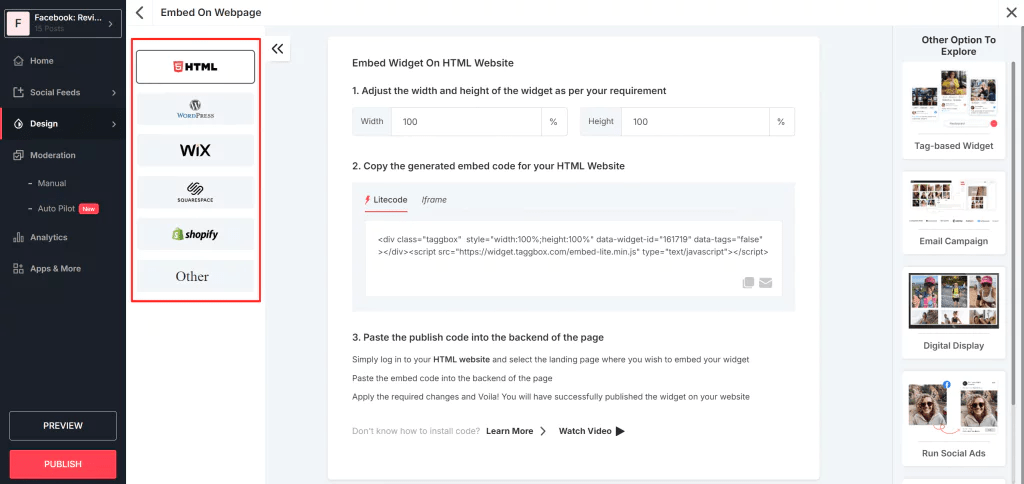
  • Choose your platform (HTML, WordPress, Shopify, Wix, etc.).
  • Copy the provided HTML embed code.

Step 6: Add the Code to Your Website

Depending on your CMS or builder:

➤ For Custom HTML Websites:

  • Paste the code in your site’s HTML where you want the Reels feed to appear (e.g., homepage, sidebar, or landing page).

➤ For WordPress:

  1. Go to your WordPress dashboard
  2. Edit the page or post where you want to embed the Reels
  3. Add a Custom HTML block
  4. Paste the code and save

➤ For Shopify, Wix, Squarespace:

  • Use their respective HTML/embed widgets to paste the code.

Best Practices for Embedding Facebook Reels on Website

To get the most out of your Facebook Reels feed:

✔ Place it Strategically

Showcase the widget on:

  • Home page
  • About or testimonials page
  • Product or service pages
  • Blog sidebar or footer

✔ Keep It Mobile-Responsive

Make sure your widget adjusts well on mobile devices. Taggbox’s feeds are responsive by default, but always preview to double-check.

✔ Auto-Update Content

Enable auto-sync so new Reels automatically show up without needing to re-embed.

✔ Highlight the Best Reels

Pin your highest-performing Reels or video testimonials to maximize impact.


More Than Just Reels: Embed Full Facebook Feed on Website

Want to go beyond Reels? With Taggbox, you can also:

  • Embed Facebook feed on website including posts, photos, events, and more.
  • Create custom filters to only show specific types of content.
  • Combine with other social platforms like Instagram or YouTube.

You can even use WordPress Facebook feed plugin options if you’re running your site on WordPress.

Final Thoughts:

Embedding Facebook Reels on your website isn’t just a trendy move—it’s a smart digital strategy. It blends engaging video content with your site’s messaging, captures attention, and builds trust.

Whether you choose to embed Facebook feed on website with individual Reels or through a dynamic widget like Taggbox, the results speak for themselves: increased engagement, better user experience, and higher conversions.

So go ahead—embed Facebook Reels on website today, and let your content work 24/7 to attract and convert visitors!

promote facebook page
Digital Marketing, facebook, facebook widget

How to Effectively Promote Your Facebook Page and Go Viral

Facebook remains one of the most powerful platforms for businesses, creators, and influencers seeking to connect with their audiences. With billions of active users worldwide, it provides an ideal space to share content, engage fans, and grow your brand. However, simply having a Facebook page isn’t enough. To succeed, you need actionable strategies to promote your Facebook page, make your content resonate, and maximize reach.

In this blog, we’ll explore practical tips, tools, and best practices to help you grow your audience, and use Facebook hashtags effectively.


Why Promoting Your Facebook Page Matters?

Many businesses underestimate the importance of actively promoting their Facebook page. A few posts here and there won’t build a loyal audience. Promotion is essential because it:

  • Builds Brand Awareness: The more people see your page, the more recognizable your brand becomes.
  • Encourages Engagement: Active promotion leads to more likes, shares, and comments.
  • Drives Traffic to Your Website: Facebook posts can guide followers to your blog, product pages, or landing pages.
  • Generates Leads and Sales: A well-promoted page can convert followers into paying customers.

Promotion doesn’t just grow numbers—it builds trust and authority in your niche.

Optimize Your Page for Maximum Impact

Before you start promoting, ensure your page is optimized for both users and search engines. A well-optimized page increases the likelihood that new visitors will hit the “Like” button.

  1. Complete Your Profile: Add a professional profile picture, cover photo, and business details.
  2. Craft a Clear About Section: Include your description, website link, and contact info.
  3. Use a Branded URL: A clean URL, such as facebook.com/yourbrand, is easy to remember.
  4. Enable Call-to-Action Buttons: Options like “Shop Now,” “Sign Up,” or “Contact Us” guide visitors effectively.

Once your page is fully optimized, you’re ready to attract followers and grow engagement.

Smart Ways to Promote Your Facebook Page

1. Cross-Promote on Other Channels

Sharing your Facebook page on your website, blog, email newsletters, and other social media accounts helps reach existing audiences who may not know you’re on Facebook. Cross-promotion is an easy, cost-effective way to increase visibility.

2. Collaborate with Influencers

Partnering with influencers in your niche can boost exposure. Influencers can share your content, tag your page, and help posts go viral on Facebook. The key is to collaborate with influencers whose followers match your target audience.

3. Use Facebook Ads Strategically

Paid promotion can accelerate growth. With Facebook Ads, you can:

  • Target specific demographics, locations, and interests.
  • Boost high-performing posts to reach more people.
  • Encourage page likes, website visits, or event responses.

Even a small ad budget can lead to significant growth when applied thoughtfully.

4. Engage Your Audience

Actively engage with followers by responding to comments, asking questions, and running polls. Interaction not only strengthens relationships but also boosts the visibility of your posts in others’ Facebook feed.

Optimize Your Facebook Feed for Engagement

Your Facebook feed is where followers interact with your content. To make the most of it:

1. Post Consistently

A consistent posting schedule keeps your audience engaged and expecting new content. Use a content calendar to plan posts in advance.

2. Mix Content Types

Different types of content resonate differently with your audience:

  • Text posts for quick updates
  • Images for visual appeal
  • Videos for storytelling
  • Polls or quizzes for engagement
  • Live sessions for real-time interaction

Videos and live sessions, in particular, are more likely to go viral on Facebook because of their higher engagement rates.

3. Tell Stories

Stories are memorable and relatable. Share behind-the-scenes content, customer testimonials, or team experiences to create an emotional connection with your audience.

4. Monitor Metrics

Track likes, shares, comments, and reach to identify what content works best. Adjust your strategy based on these insights to improve engagement.

Harness the Power of Facebook Hashtags

Facebook hashtags help categorize your content and make it discoverable by people who aren’t following your page.

  • Use hashtags relevant to your niche, like #MarketingTips or #HealthyLiving.
  • Combine popular hashtags with more specific ones to reach a targeted audience.
  • Limit your hashtags to 2–5 per post for optimal engagement—too many can look spammy.

When used strategically, hashtags increase visibility and can contribute to making your content go viral on Facebook.

Additional Tips to Boost Reach

  1. Host Giveaways and Contests: Encourage followers to like, comment, and share your posts for a chance to win.
  2. Feature User-Generated Content: Share content created by your fans to build community and trust.
  3. Post at Optimal Times: Analyze your audience insights to determine when followers are most active.
  4. Use Eye-Catching Visuals: Bright, high-quality images and videos attract more attention in the Facebook feed.
  5. Encourage Shares: Craft content that is informative, entertaining, or inspirational to encourage followers to share it with friends.

How to Measure the Success of Your Facebook Promotion

Tracking your efforts is key to improving your strategy. Focus on these metrics:

  • Page Likes and Follower Growth: Measures overall audience growth.
  • Engagement Rate: Includes likes, comments, and shares.
  • Reach and Impressions: Shows how many people saw your posts.
  • Click-Through Rate (CTR): Tracks clicks to your website or landing pages.

Regularly reviewing analytics allows you to refine your content, posting schedule, and promotional efforts.


Conclusion

Promoting your Facebook page effectively requires a mix of strategy, consistency, and creativity. By optimizing your page, leveraging your Facebook feed, using Facebook hashtags, and engaging your audience, you can increase visibility, build trust, and encourage interactions. When done right, these efforts can help your content go viral on Facebook, attracting new followers and growing your brand’s online presence.

Remember, the goal is not just to get likes but to foster a community of engaged, loyal followers who contribute to your brand’s long-term success. Start applying these strategies today and watch your Facebook page grow.

Metrics from Facebook Widgets
Digital Marketing, facebook widget

Analyzing Engagement Metrics from Facebook Widgets

In today’s digital world, social media has become a cornerstone of online engagement and interaction. Facebook, one of the most widely used platforms, offers various tools to integrate social sharing and engagement features directly on websites or applications. One such tool is the Free Facebook widget. These widgets, which include features like the Like button, Share button, and embedded posts, allow users to interact with content without leaving a webpage. For businesses and content creators, understanding and analyzing the engagement metrics tied to these widgets is essential to optimize digital strategies and improve user experience. This article explores how to analyze engagement metrics from Facebook widgets, providing insights on the types of metrics to track, tools to use, and methods of analysis.

Understanding Facebook Widgets
A Facebook widget is a small piece of code that can be embedded into a website or app to display a variety of Facebook-based content or allow interaction with Facebook directly on the webpage. Facebook offers several types of widgets, including:

  • Like Button: This allows users to express approval of content, signaling interest or alignment with a particular post, page, or item.
  • Share Button: Users can share content directly to their Facebook profile, spreading the word and increasing the reach of a piece of content.
  • Comment Plugin: Enables users to leave comments on articles or products, fostering interaction and discussion.
  • Embedded Posts: Displays public Facebook posts directly on the website, providing a seamless integration between external content and the site.
  • Page Plugin: Displays a preview of a Facebook page, including the number of likes and posts, allowing visitors to engage directly with the page from the website.

Each widget serves a specific purpose and plays a unique role in user interaction. To better understand the effectiveness of these widgets and how users are engaging with them, businesses can utilize Facebook review tools to track and analyze engagement metrics, providing valuable insights into how well these widgets are performing.

Key Engagement Metrics to Track
When analyzing Facebook widgets, there are several key metrics that provide valuable insights into how users are interacting with the content. These metrics give a comprehensive view of widget performance and help businesses understand their audience’s preferences, ultimately contributing to business growth.

  1. Likes and Reactions
    The Like and Reactions buttons are among the most visible and commonly used widgets on Facebook. They allow users to quickly express their feelings toward a post with a simple click. Analyzing the number of likes and reactions provides insight into the popularity of the content.

    Metrics to track include:
  • Total number of likes/reactions on a page or post.
  • The distribution of different reactions (love, haha, wow, sad, angry) to gauge the emotional response from users.
  • The correlation between the number of likes/reactions and other forms of engagement, such as shares and comments.

Understanding these metrics can help businesses refine their content strategy, enhance engagement, and drive business growth by aligning their offerings with what resonates most with their audience. By analyzing these reactions, businesses can better understand what content resonates most with their audience.

2. Comments

The Comment Plugin enables users to engage in conversations around a piece of content, providing valuable qualitative feedback. The number of comments can be a direct indicator of how engaging or thought-provoking a post is. Additionally, businesses can analyze the tone and content of comments to assess sentiment and gain deeper insights into user feedback. This highlights the importance of a Facebook page as a platform for fostering meaningful interactions with customers and potential clients.
Metrics to track include:

  • The total number of comments on a post or page.
  • The average length of comments and the sentiment (positive, neutral, or negative).
  • Trends in the types of questions or discussions users are starting in the comment section.

Tracking comment volume and sentiment helps businesses measure not only engagement but also the quality of interaction, emphasizing the importance of a Facebook page as a tool for understanding customer needs and enhancing relationships.

.3. Shares

One of the most significant indicators of content engagement on social media is how often it is shared. When users share content using the Share button, they are effectively endorsing it and spreading it to their own network, extending its reach exponentially. Analyzing shares helps businesses understand the viral potential of their content and highlights an effective way to promote a Facebook page by encouraging users to share content with their network.
Metrics to track include:

  • Total number of shares over a specific period.
  • The platforms or locations where content is being shared (Facebook, Messenger, etc.).
  • Identifying top influencers or users who share content most frequently.

Understanding sharing patterns helps businesses identify what content has the highest potential for viral distribution, making it a powerful tool to promote a Facebook page and increase visibility.

4. Click-Through Rate (CTR)

Another vital metric to track is the Click-Through Rate (CTR). This metric measures how often users click on links or call-to-action buttons embedded in the widgets. The CTR helps businesses gauge how effectively their content is converting visitors into deeper engagement, whether through visiting a website, signing up for a newsletter, or making a purchase. Tracking this metric is crucial for driving conversions and optimizing content strategies to achieve business goals.
Metrics to track include:

  • Number of clicks generated by Facebook widgets.
  • Conversion rate of users who clicked on the widget versus those who did not.
  • Bounce rate of users who clicked through but left the page quickly.

A high CTR signals effective content and well-placed calls to action, playing a key role in driving conversions and enhancing the overall user experience.

5. Impressions and Reach

Impressions and Reach are foundational metrics for understanding the visibility of a piece of content. Impressions refer to how many times a post or widget was displayed on users’ screens, while reach refers to the number of unique users who saw it. By closely monitoring these metrics, businesses can gain insights to improve Facebook updating marketing strategies and enhance their content’s visibility.
Metrics to track include:

  • Total impressions generated by Facebook widgets.
  • Total reach, including both organic and paid reach.
  • Analysis of engagement relative to reach to understand the effectiveness of content distribution.

Monitoring impressions and reach helps businesses understand their content’s visibility and identify opportunities to enhance its exposure, which is essential for Facebook updating marketing efforts aimed at staying relevant and engaging the right audience.

6. Time on Widget

Tracking how long users engage with a widget is another useful metric. Time on widget can provide insights into user interest and content engagement. If users interact with a widget for a long time, it suggests they find the content or the post intriguing.

Metrics to track include:

  • Average duration users spend interacting with a Facebook widget.
  • The impact of time spent on widgets in relation to other forms of engagement (comments, shares, likes).

By analyzing this metric, businesses can optimize content to increase interaction duration.

Tools for Tracking Engagement Metrics

To effectively analyze Facebook widget engagement, it’s essential to use the right tools. These tools help businesses track, interpret, and act on data gathered from Facebook widgets.

  1. Facebook Insights: Facebook provides native analytics for pages and posts, allowing businesses to track engagement metrics such as likes, comments, shares, and overall reach.
  2. Google Analytics: Google Analytics offers powerful tracking capabilities, enabling businesses to track widget interactions and their impact on website traffic, conversion rates, and user behavior.
  3. Third-Party Tools: Tools like Hootsuite, Socialbakers, and Sprout Social provide advanced social media tracking features, including detailed reports on Facebook widget performance and audience sentiment.
  4. Facebook Analytics: Facebook’s own analytics tool provides deep insights into cross-platform engagement, helping businesses understand how widgets perform across different devices and platforms.

Methods of Analyzing the Data

Once you’ve gathered the necessary data, the next step is to analyze it effectively. There are several methods to interpret Facebook widget engagement metrics.

Quantitative Analysis

This approach involves numerical analysis of engagement data. You can calculate key performance indicators such as:

  • Engagement Rate: Divide total interactions (likes, shares, comments) by the total number of impressions or reach.
  • Conversion Rate: Measure how many users took a desired action after interacting with a widget (e.g., purchasing a product or signing up for a newsletter).

Qualitative Analysis

In addition to the numbers, analyzing the quality of engagement is important. Reviewing comments and shares provides context to the metrics. Sentiment analysis can help gauge user feelings, whether positive, neutral, or negative.

Time-Based Analysis

By comparing engagement across different time periods, businesses can identify patterns or trends. Analyzing peak times of interaction helps optimize when to post content for maximum engagement.

Best Practices for Enhancing Engagement with Facebook Widgets

  • To increase engagement with Facebook widgets, businesses should implement several best practices:
  • Optimize Widget Placement: Ensure widgets, such as the option to embed Facebook feed on your website, are placed prominently in areas where users are most likely to engage.
  • Encourage Interaction: Use clear calls-to-action to prompt users to like, share, or comment on posts, especially when engaging with the embedded Facebook feed.
  • Appealing Content: Make sure the content linked to the widget, including the embedded Facebook feed, is visually appealing, relevant, and valuable to the audience.
  • Mobile Optimization: Ensure that the widgets, including the embedded Facebook feed, are fully responsive and easy to interact with on mobile devices, providing an optimal experience across all platforms.

Conclusion

Analyzing engagement metrics from Facebook widgets, such as likes, shares, comments, CTR, and time on widget, is a crucial part of understanding user interaction and optimizing content strategy. One effective way to enhance engagement is by embedding Facebook reviews on your website. By tracking the metrics related to these reviews, businesses can gain valuable insights into what resonates with their audience. Using the right tools to analyze this data effectively can help refine social media strategies, improve content engagement, and build trust with potential customers. As Facebook widgets, including embedded reviews on websites, continue to play an essential role in online interaction, businesses that embrace data-driven analysis will have a significant edge in creating more engaging and effective content.

Digital Marketing, facebook widget, Reviews, Social Media Marketing, Technology

Leveraging Facebook Updates to Promote Your Brand More Effectively

Facebook remains one of the most powerful platforms for digital marketing. However, like all social media networks, it evolves constantly, rolling out updates that impact how content is displayed, how users interact, and how businesses market their products or services. As a marketer, staying on top of Facebook updates marketing is crucial for your brand’s success.

In this article, we’ll explore why these updates matter, how they can impact your marketing efforts, and how to leverage them for better results. Plus, we’ll cover some essential strategies and tools to stay ahead of the game.

1. The Importance of Facebook Updates for Marketers

Facebook’s algorithm and tools are in a constant state of flux. These updates can affect everything from post reach to ad targeting, user engagement, and more. As a marketer, you need to be aware of these changes to ensure you’re using the platform effectively.

Here’s why Facebook updates matter:

  • Changes in Reach: Facebook periodically changes how it distributes organic content. What worked yesterday might not work today, so it’s essential to stay updated.
  • Ad Targeting: The platform regularly tweaks its ad algorithms, which can directly affect the performance of your campaigns.
  • New Features: Facebook often introduces new tools or features that could make a significant impact on your marketing strategy.

By keeping track of Essential Facebook Updates Marketers should know about, you can adapt quickly and stay relevant in an ever-changing digital landscape.

2. Driving Conversion Through Facebook Updates

One of the most important reasons to keep up with Facebook updates marketing is to drive conversions effectively. Facebook’s algorithm changes often focus on enhancing the user experience, which in turn impacts how businesses reach their target audience.

Here’s how the updates can help increase conversions:

  • Improved Ad Targeting: Updates to Facebook’s targeting options (e.g., lookalike audiences or advanced demographic filters) allow marketers to deliver ads to the right people at the right time.
  • Enhanced Mobile Experience: As mobile browsing continues to dominate, Facebook updates frequently improve its mobile app, making it easier for potential customers to make purchases or engage with content.
  • Better Call-to-Action Buttons: With updated call-to-action (CTA) options like “Shop Now,” “Learn More,” and “Book Now,” Facebook makes it easier for users to take the next step after engaging with your content.

These changes are designed to enhance the user experience and, by extension, drive conversion rates higher. Staying up to date on Facebook’s updates ensures that your brand can capitalize on these new features.

3. Social Proof and Its Impact on Marketing

Social proof is one of the most powerful tools in modern marketing. Facebook’s updates often enhance how social proof is displayed, allowing your brand to build credibility and trust with potential customers.

How can you leverage social proof with Facebook updates?

  • Customer Reviews: Facebook regularly updates how reviews are displayed, giving brands more visibility when users leave positive feedback. This social validation can help you gain new customers by showcasing positive experiences from real users.
  • User-Generated Content: With each update, Facebook improves the way user-generated content is shared and promoted. Encourage customers to share their experiences on Facebook and tag your brand, creating organic endorsements that work as powerful testimonials.

By incorporating social proof into your marketing strategy, you can build credibility and inspire trust with potential customers. Facebook updates can help you do this more effectively.

4. Promoting Your Facebook Page: Strategies and Updates

Facebook’s updates often focus on helping businesses promote their pages and increase engagement with followers. But staying ahead of these updates is key to maximizing the effectiveness of your promotion efforts.

Here’s how recent updates have affected promoting your Facebook page:

  • Page Visibility: Facebook has tweaked its algorithm to prioritize more engaging and authentic content. Pages that post high-quality, engaging content tend to be prioritized over those that focus on self-promotion or clickbait.
  • Increased Interaction with Followers: Updates often enhance how businesses can interact with their followers, from responding to comments to sending personalized messages. These features allow businesses to build stronger relationships with their audience.
  • Facebook Groups Integration: Facebook has made it easier for brands to integrate their business pages with Facebook Groups. By creating a community around your brand, you can increase loyalty and organically promote your page.

Staying on top of these updates ensures that you can use Facebook’s full range of promotional tools to boost your brand visibility and grow your follower base.

5. Boosting Your Brand’s Reputation with a Facebook Review Widget

One feature that can significantly improve your marketing strategy is the Facebook widget. With frequent updates to how businesses can display reviews, it’s easier than ever to showcase social proof directly on your website.

Why should you consider adding a Facebook review widget to your website?

  • Instant Trust: Customer reviews build instant credibility. When visitors see positive feedback about your brand, they’re more likely to trust you and convert.
  • Seamless Integration: The Facebook review widget can be easily embedded Facebook feed on your website, allowing you to display the most recent and relevant reviews directly on your homepage or product pages.
  • Increased Engagement: Encouraging customers to leave reviews on Facebook and then showcasing them on your site can increase engagement both on Facebook and your website.

With Facebook regularly updating how reviews are displayed and interacted with, now is the perfect time to integrate a Facebook review widget into your website to improve customer trust and drive more conversions.

6. How to Embed Facebook Reviews on Your Website

Facebook has also improved how businesses can embed Facebook reviews on their websites. If you’re looking for a simple yet powerful way to show off positive customer feedback, embedding Facebook reviews directly into your site is a great option. Using tools like Tagbox, you can easily integrate and display Facebook reviews, creating a seamless and dynamic experience for visitors.

Here’s how embedding Facebook reviews can benefit your business:

  • Improved User Experience: Directly embedding reviews into your product or service pages provides immediate feedback to visitors, which helps them make quicker purchasing decisions.
  • Authenticity: Facebook reviews are perceived as more authentic and trustworthy because they come from real users on a widely recognized platform.
  • More Traffic to Your Facebook Page: By embedding reviews, you encourage visitors to engage with your Facebook page, which can increase traffic and foster a stronger relationship with your audience.

With Facebook making it easier to embed reviews directly from the platform, and with tools like Tagbox helping you integrate them effortlessly, this is an excellent way to leverage the power of social proof and increase engagement with both your website and your Facebook page.

7. Essential Facebook Updates Marketers Should Know

To stay ahead of the competition, it’s important for marketers to keep track of essential Facebook updates. These updates can impact everything from how content is shown to how your ads perform.

Here are some of the most important recent updates for marketers to know:

  • Algorithm Changes: Facebook’s algorithm updates have a significant impact on organic reach. Marketers need to adapt their content strategies to align with the latest algorithm preferences.
  • New Ad Formats: Facebook regularly introduces new ad formats, including Stories Ads and interactive video ads. Staying on top of these changes will help marketers craft more effective ad campaigns.
  • Enhanced Targeting Options: As Facebook gathers more data on user behavior, marketers are gaining access to more advanced targeting features, such as improved lookalike audiences and predictive analytics.

By keeping an eye on essential Facebook updates marketers should be aware of, you can ensure your strategy stays competitive and effective.

Conclusion

Facebook updates are crucial for staying relevant and effective in your marketing strategy. From driving conversion and leveraging social proof to promoting your Facebook page and integrating features like a Facebook review widget or embed Facebook review options, these changes present opportunities for businesses to engage with their audiences in more meaningful ways.

By keeping up with the latest essential Facebook updates marketers need to know, you can ensure your brand thrives in the ever-changing world of social media marketing. Adapt, experiment, and use these updates to your advantage – your brand’s success depends on it.

Digital Marketing, facebook widget, Social Media Marketing, Technology

Facebook Widgets for E-Commerce: Driving Conversions

Facebook is a powerhouse platform for e-commerce businesses looking to drive traffic, increase engagement, and ultimately boost conversions. With over 2.8 billion active users globally, it offers vast opportunities for small businesses to connect with potential customers. One of the most effective ways to harness Facebook’s potential is by integrating Facebook widgets into your e-commerce website.

In this article, we’ll explore how Facebook widgets can help promote a Facebook presence, increase engagement, and ultimately drive more conversions for your e-commerce business.

What Are Facebook Widgets?

Before diving into the details of how Facebook widgets can help increase conversions, let’s define what they are. Facebook widgets are small interactive elements that can be added to your website. These widgets typically allow your site visitors to interact with Facebook features, such as liking a page, sharing content, or leaving a comment.

Common Facebook widgets include:

  • Like button: Allows visitors to like a specific product or your business’s Facebook page.
  • Share button: Enables easy sharing of content from your website to Facebook.
  • Comment plugin: Lets users leave comments on products or content directly through their Facebook accounts.
  • Facebook Messenger: Provides live chat functionality with customers through Facebook Messenger.
  • Facebook Feed: Displays recent posts from your Facebook page directly on your site.

Benefits of Facebook Widgets for E-Commerce Websites

Integrating Facebook widgets into your e-commerce site can provide numerous benefits. Here are the top advantages:

  1. Promote a Facebook Presence
    • Adding Facebook widgets to your site encourages visitors to follow and engage with your business on Facebook. This helps build a stronger presence on social media and keep your customers connected.
  2. Increase Engagement
    • Facebook widgets make it easy for visitors to interact with your content, whether by liking, sharing, or commenting. This increases user engagement, which in turn can lead to more interactions and conversions.
  3. Improve Social Proof
    • Widgets like the Facebook Like and Share buttons can act as powerful social proof. When users see that others have liked or shared your product, they are more likely to trust your business and make a purchase.
  4. Enhance User Experience
    • Facebook widgets improve the overall user experience by offering seamless integration with Facebook features. This means your visitors can engage without leaving your site, resulting in a more fluid shopping experience.
  5. Increase Traffic
    • Sharing products or content directly to Facebook can help drive additional traffic to your e-commerce site. It helps expand your reach beyond your website’s visitors and into your followers’ networks.

Key Facebook Widgets to Drive Conversions

Now that we know why Facebook widgets are important, let’s dive into the specific widgets you should consider integrating into your e-commerce website to maximize conversions.

1. Facebook Like Button

The Facebook Like button is one of the most popular and recognizable Facebook widgets. This simple tool allows users to show support for your products or content, which can encourage more visitors to make a purchase.

How it helps drive conversions:

  • Builds Trust: A “like” indicates that others approve of a product, making it more likely that visitors will trust your brand and convert.
  • Encourages Social Proof: The more likes your products receive, the more social proof you gather. This can influence potential customers to make a purchase.

2. Facebook Share Button

The Share button allows visitors to share content from your website, such as product pages or blog posts, to their Facebook profiles. This widget can increase the visibility of your products and bring in new customers.

How it helps drive conversions:

Increases Reach: When users share your product with their network, they are exposing your business to a wider audience. This could lead to more potential customers and higher conversion rates. Additionally, when users embed Facebook reviews on your site, they bring positive social proof, which can further enhance credibility and attract new customers.

Promotes Word-of-Mouth Marketing: Social shares are an effective form of word-of-mouth marketing, which has a significant impact on consumer decisions. Embedding Facebook reviews also contributes to this by showcasing authentic customer experiences, influencing potential buyers to make confident purchasing decisions.

3. Facebook Comment Plugin

The Facebook Comment plugin lets users comment on your product pages using their Facebook accounts. Comments can create a conversation around your products and help foster a community around your brand.

How it helps drive conversions:

  • Facilitates Social Proof: When users leave comments or reviews on your product pages, it builds trust for future customers.
  • Encourages Interaction: Comments give your customers an opportunity to ask questions and engage directly with your brand. Responding to these interactions helps build relationships, which can increase conversions.

4. Facebook Messenger Chat Plugin

The Facebook Messenger chat plugin allows your website visitors to communicate directly with your business via Facebook Messenger. This real-time communication is a great way to answer questions and address concerns that may be preventing a customer from completing their purchase.

How it helps drive conversions:

  • Instant Support: Providing immediate responses to customer questions or concerns can increase the likelihood of a successful sale.
  • Builds Relationships: Direct communication with potential customers helps build trust and can make them more comfortable completing a transaction.

5. Facebook Page Feed

The Facebook Page Feed widget lets you display your latest Facebook posts on your website. It helps keep your website content fresh and encourages visitors to follow you on Facebook for updates.

How it helps drive conversions:

  • Showcases New Products: You can promote new products, special offers, or sales directly on your website.
  • Encourages Social Following: By displaying your social media activity on your website, visitors are more likely to follow you on Facebook, leading to long-term engagement and potential future purchases.

6. Facebook Reviews Plugin

Customer reviews are a powerful tool in driving e-commerce conversions. The Facebook Reviews plugin allows you to display user reviews from your Facebook page directly on your website. Additionally, by integrating a Facebook feed, you can showcase real-time updates and interactions from your Facebook page, further enhancing social proof and engagement. This combination of reviews and live feed can help build trust and encourage visitors to convert into customers.

How it helps drive conversions:

  • Social Proof: Positive reviews from real customers build trust and make it easier for potential buyers to make purchasing decisions.
  • Encourages User-Generated Content: When customers see that their reviews could be showcased on your website, they may be more likely to leave feedback, which can improve future conversions.

    Read also: Key Benefits of Adding Social Media Feeds on Websites!

How to Integrate Facebook Widgets into Your E-Commerce Website

Integrating Facebook widgets into your e-commerce website is relatively simple and can be done in a few steps. Here’s how:

Step 1: Sign Up for a Facebook Developer Account

To integrate Facebook widgets into your site, you’ll need a Facebook Developer account. Visit the Facebook Developers site and create an account if you don’t already have one.

Step 2: Choose the Widget You Want to Add

Navigate to the Facebook for Developers page and choose the widget you want to add to your website. Facebook offers various tools and resources to customize widgets, from Like buttons to Messenger plugins.

Step 3: Customize Your Widget

Once you’ve selected a widget, customize it according to your needs. This can include choosing colors, size, layout, and other settings to match your website’s design.

Step 4: Copy the Code

After customizing your widget, Facebook will provide you with a piece of HTML code that you need to embed Facebook feed into your website.

Step 5: Paste the Code into Your Website

Paste the code into the appropriate section of your website’s HTML. This is typically done within the source code of the page where you want the widget to appear.

Step 6: Test and Optimize

Once the widget is installed, test it to ensure it’s working properly. Monitor how your audience is interacting with the widget, and optimize it based on engagement and conversion data.

Best Practices for Using Facebook Widgets to Drive Conversions

To get the most out of Facebook widgets, keep these best practices in mind:

1. Place Widgets Where They’re Easy to Find

Ensure that your widgets are placed in visible and strategic locations on your website, such as product pages, checkout pages, or blog posts. This increases the chances that your visitors will interact with them.

2. Make Widgets Mobile-Friendly

Since many Facebook users access the platform via mobile devices, ensure that the widgets are optimized for mobile. Facebook provides mobile-friendly versions of most widgets to ensure a seamless user experience.

3. A/B Test Widget Placement and Design

Try testing different widget placements and designs to see which ones result in the highest engagement and conversion rates. A/B testing can help you find the best combination for your e-commerce business.

4. Use Widgets in Combination

Combine multiple Facebook widgets on your site for maximum impact. For example, use the Like and Share buttons together to encourage social sharing and increase the visibility of your products.

5. Encourage Customers to Leave Reviews

Prompt customers to leave reviews on your Facebook page by offering incentives or making it easy for them to do so. Displaying these reviews on your website can greatly influence potential buyers.

Read Also: Top 5 Social Media Feed Plugins for WordPress Website

Conclusion

Incorporating Facebook widgets into your e-commerce website is a powerful strategy to drive conversions, engage visitors, and increase your brand’s visibility. These widgets not only encourage social interaction but also help build trust with your audience through social proof, reviews, and direct communication. By promoting a Facebook presence on your site and increasing reach and engagement through interactive features, you can create a seamless experience that boosts conversions and ultimately grows your small business.

So, whether you’re just starting out or looking for ways to optimize your existing e-commerce site, Facebook widgets are a simple yet effective way to take your business to the next level.