Display Facebook Reviews On Your Website
facebook

How To Display Facebook Reviews On Your Website

Social proof is a powerful tool for building trust with your audience, and Facebook reviews are one of the best ways to showcase this. As one of the most popular social media platforms, Facebook offers businesses the opportunity to gain reviews and feedback from customers, which can help attract new clients and build credibility. However, simply receiving reviews is not enough — you need to display Facebook reviews on your website in a way that enhances your site’s user experience and maximizes engagement.

In this guide, we’ll explore why displaying Facebook reviews on your website is important, and how you can easily integrate Facebook reviews using various tools like a Facebook feed on website or a Facebook widget. Additionally, we’ll touch on how to track performance with Facebook widget analytics to measure the impact of your reviews.


Why Display Facebook Reviews on Your Website?

Displaying Facebook reviews on your website offers several benefits that can enhance your website’s credibility, improve SEO, and even increase conversions. Here’s why you should consider adding Facebook reviews to your site:

1. Boosts Trust and Credibility

Customer reviews provide social proof, and Facebook reviews are no exception. When visitors see positive feedback from other customers, they’re more likely to trust your business. Displaying reviews directly on your website helps build credibility and encourages visitors to take the next step in their journey, whether it’s making a purchase, signing up for a service, or simply learning more about your business.

2. Improves Engagement

Integrating Facebook feed on website allows you to showcase recent content and interactions from your Facebook page, which increases engagement. Social media widgets typically allow for dynamic content updates, meaning the reviews will always be up-to-date without manual intervention.

3. Enhances User Experience

When you display Facebook reviews on your website, you make it easier for potential customers to see what others are saying without leaving your site. This seamless integration helps provide a positive experience and encourages users to interact with your content.

4. Boosts SEO and Organic Traffic

User-generated content, like reviews, is considered valuable by search engines. Embedding Facebook reviews on your website creates fresh, relevant content that can improve your site’s SEO. Search engines, such as Google, take into account the trust signals provided by reviews and use them as a ranking factor.


How to Display Facebook Reviews on Your Website

Now that we’ve covered the benefits, let’s dive into the steps to display Facebook reviews on your website. The process can be broken down into two main approaches: using a Facebook feed on website or utilizing a Facebook widget to embed reviews directly.


1. Using a Facebook Feed on Website

A Facebook feed on website is a great way to display live, dynamic content from your Facebook page, including customer reviews, posts, and comments. Here’s how to display a Facebook feed on your website:

Step 1: Choose a Tool or Plugin

There are several tools available to help you embed a Facebook feed on website. Some of the popular tools include:

  • Taggbox: This platform lets you embed a customizable Facebook feed on your website. It allows you to display customer reviews, posts, and comments in real-time, creating a dynamic user experience.
  • EmbedSocial: A platform designed to aggregate content from social media, EmbedSocial allows you to display Facebook reviews, posts, and comments with various design and layout options.
  • Flockler: Flockler provides an easy way to embed Facebook feed on website and allows you to curate content, including reviews, into a dynamic feed.

Step 2: Connect Your Facebook Account

Once you’ve selected a tool, the next step is to connect your Facebook account. Most platforms will require you to log in with your Facebook credentials and grant access to your Facebook page. After the connection is made, you can customize the feed to display Facebook reviews, posts, and ratings.

Step 3: Customize the Feed

After connecting your account, you can customize the appearance of the feed. Most tools allow you to adjust the following:

  • Layout and design: Choose from grid, carousel, or slider layouts.
  • Display settings: Select which types of content (reviews, posts, comments) you want to display.
  • Styling: Match the feed’s design with your website’s colors, fonts, and overall branding.

Step 4: Embed the Feed on Your Website

Once you’ve customized the feed, you’ll typically receive a snippet of code to embed on your website. This code is simple to copy and paste into your website’s HTML or content management system (CMS). Once embedded, your Facebook feed on website will automatically update with the latest reviews and content from your Facebook page.


2. Using a Facebook Widget for Reviews

Another way to display Facebook reviews on your website is by using a Facebook widget designed specifically for showcasing customer feedback. A Facebook widget allows you to embed individual reviews or display a selection of recent reviews directly on your site.

Step 1: Choose a Facebook Widget Tool

There are many Facebook widget tools available that allow you to display Facebook reviews on website. Some options include:

  • Elfsight: A versatile tool that provides various widgets, including a Facebook widget for displaying reviews. You can customize the widget to fit your site’s design and showcase the most relevant feedback.
  • WidgetPack: This tool allows you to create customizable Facebook widgets that display reviews, ratings, and other customer feedback in a stylish manner.

Step 2: Set Up Your Widget

To set up the widget, you’ll need to authenticate it with your Facebook account. This allows the tool to pull in your reviews and ratings. From there, you can select which reviews to display, the layout of the widget, and the level of customization.

Step 3: Customize the Widget

Most Facebook widget tools allow you to:

  • Choose the display style: Select from options like a carousel, list, or grid to suit your site’s design.
  • Filter reviews: Choose whether to display all reviews or filter them by rating or time.
  • Match your site’s branding: Adjust colors, fonts, and other elements to ensure the widget blends seamlessly with your website.

Step 4: Embed the Widget on Your Website

Once the widget is customized, you’ll receive a snippet of HTML code. Simply copy and paste this code into the appropriate section of your website, and your Facebook widget will be live and displaying the reviews.


3. Using Facebook Widget Analytics

To get the most out of your Facebook widget, it’s important to track its performance. Most Facebook widget analytics tools provide insights into how users interact with your reviews widget. Here’s how Facebook widget analytics can help:

  • Track Engagement: Analytics can show how many people are clicking on your reviews or interacting with your Facebook feed.
  • Monitor Conversion: Understanding how reviews influence user behavior can help you measure how many visitors are converting due to positive feedback.
  • Improve Strategy: Use the data to adjust your strategy. For example, if certain reviews are driving more engagement, you can feature them more prominently.

By leveraging Facebook widget analytics, you can optimize how you display Facebook reviews to maximize their impact on your website.


Conclusion

Displaying Facebook reviews on your website is an excellent way to build trust with potential customers, increase engagement, and improve your site’s SEO. Whether you choose to embed a Facebook feed on website for a dynamic display or opt for a Facebook widget to showcase specific reviews, integrating these features into your site is easier than ever.

Additionally, by utilizing Facebook widget analytics, you can track the effectiveness of your reviews and adjust your marketing strategy accordingly. With the right tools and techniques, you can turn your Facebook reviews into a powerful marketing asset that boosts your website’s credibility and conversion rates.


Increase facebook likes
facebook, Social Media Marketing

How to Increase Facebook Likes: Smart Strategies for Growth and Engagement

Getting more Facebook likes isn’t just about social status, it’s about building a loyal audience, increasing your digital reach, and turning engagement into real results. With billions of active users, Facebook remains a must-use platform for personal brands, local businesses, and global companies alike.

But with so much competition, standing out and growing your facebook likes takes a smart strategy and consistent effort. If you’re looking to boost your page quickly and sustainably, this guide covers all the essentials for 2025.


Why Facebook Likes Still Matter?

  • Social Proof: A higher like count signals trust and popularity. When new visitors see a page with thousands of likes, they’re more likely to trust your brand and engage with your posts.
  • Organic Reach: Facebook’s algorithms favor content that’s liked and interacted with, meaning more likes lead to wider organic reach.
  • Business Growth: More likes mean more eyes on your products, services, and announcements. Pages with growing likes can build communities, fuel conversations, and even make money on Facebook through ads, affiliate marketing, or direct sales.

Tips To Increase Facebook Likes

1. Create Shareable, Value-Driven Content

Your content is what captures attention and entices clicks. Focus on delivering value, educate, entertain, inspire, or inform your audience with each post. Share tips, insider information, trending memes, how-to guides, or behind-the-scenes peeks. The more relatable and useful your posts, the more likely people are to like, share, and return.

Tips for content:

  • Use high-quality visuals (images, infographics, short videos).
  • Keep captions clear, witty, and to the point.
  • Post regularly to stay on users’ Facebook feeds without overwhelming them.

2. Run Contests and Giveaways

Contests are classic for one reason, they work! Ask users to like your page and a post to enter a giveaway. The incentive of a prize (product, coupon, or experience) quickly attracts new likes, while engaging existing followers. Don’t forget to make rules transparent and the prizes relevant to your target market.

Ideas for engagement:

  • Like and comment to enter
  • Tag a friend for bonus entries
  • Share the post to boost reach

3. Add Facebook Feed to Your Website

Cross-promotion increases your Facebook visibility. When you add Facebook feed to your homepage or blog, website visitors can see your latest posts and interact without leaving the site. This streamlines the process, if someone enjoys your content, clicking “like” becomes a no-brainer. It also keeps your website dynamic and demonstrates active engagement to Google and visitors alike.

Many plugins and widgets let you embed your Facebook feed with just a few clicks. Make sure it matches your brand style and is easy to navigate.


4. Collaborate and Tag Influencers

Join forces with local influencers, popular creators, or complementary brands. Co-host live sessions, tag them in posts, or do shoutout swaps. Their followers will notice and may check out, and like, your page for themselves. Always choose partners whose values align with your brand for maximum effect.


5. Post at the Right Times

Facebook engagement isn’t constant throughout the day. Analyze your audience insights to determine when your followers are most active, and schedule posts for those windows. Common peak times are evenings and weekends, but this varies by niche and region.

You can use Facebook’s scheduling tools to queue your content and reach audiences exactly when they’re likely to interact.


6. Use Facebook Ads to Boost Visibility

Facebook’s reach may be organic, but ads can multiply your exposure exponentially. Set aside a small budget for page-like campaigns, targeting your ideal audience by interest, demographics, and behavior. A well-crafted ad can attract hundreds of new likes, especially when coupled with a compelling lead magnet (discount, freebie, etc.).

Monitor your campaigns to see which audiences convert best and adjust your strategy accordingly.


7. Engage With Comments and Messages

Replying promptly to comments and direct messages shows that your page is active, responsive, and cares about its followers. This personal touch not only increases the likelihood of returning likes, but those engaged users often bring friends along for the ride.

Thank followers for their feedback, answer questions authentically, and pin thoughtful comments for visibility.


8. Share User-Generated Content (UGC)

People love recognition. Share photos, videos, or stories created by your followers, tagging them and crediting their work. UGC builds community, inspires more sharing, and turns casual fans into loyal advocates who proudly “like” your page.

Encourage submissions by running challenges and highlighting creative entries in your feed.


9. Ask Directly for Likes

Sometimes, all you need to do is ask. In your posts, stories, or even on your website, invite people to like your Facebook page for more tips, exclusive deals, or updates. A polite, direct call to action works wonders, especially at the end of a helpful post or video.

Example:
“If you enjoyed this tip, give our page a like for more daily insights!”


10. Leverage Trending Topics and Hashtags

Posting about trending news, viral moments, or hot topics increases the chance your content is discovered by new audiences. Use relevant hashtags, local stories, and current events when appropriate, but make sure your posts are authentic, not forced.

When your post rides a trending wave, it often attracts more engagement and likes by being part of the conversation.


11. Make Money on Facebook to Grow Motivation

Once your page grows, turn attention into revenue. Selling products, hosting paid events, or joining affiliate programs are all ways to make money on Facebook. Share your journey and encourage others, this shows that likes translate to real opportunities, motivating engagement and loyalty.

Transparency about how you benefit, and how your audience can as well, builds trust and makes everyone part of your story.


12. Analyze and Adapt

Finally, regularly dive into your Facebook Insights to see what’s working. Identify which posts attract the most likes, what times spark the most activity, and which content formats perform best. Use these findings to refine your strategy, focus on what your audience loves most, and don’t be afraid to pivot as trends change.


Conclusion: Consistency Creates Results

Increasing Facebook likes isn’t about shortcuts, it’s about understanding your audience, delivering real value, and maintaining a steady, authentic presence. Cross-promote your content, build relationships, engage meaningfully, and keep your digital doors open with an embedded feed on your website. Soon, those likes will grow into a loyal community, giving you more influence, reach, and even opportunities to make money on Facebook.

Follow these proven strategies, track your progress, and stay creative. Genuine growth is within reach, one like at a time.

how to make money on facebook
facebook, facebook widget

How to Make Money on Facebook: A Complete Guide to Growing and Earning Online

Facebook has transformed from a simple social networking site into one of the most powerful digital marketing platforms in the world. With over 3 billion active users, it offers endless opportunities for individuals, influencers, and businesses to make money online. Whether you’re looking to promote your brand, sell products, or earn from content creation, Facebook provides several ways to turn your social presence into profit.

In this guide, we’ll explore how to make money on Facebook, from setting up your page and engaging your audience to leveraging tools and strategies that boost reach and revenue. We’ll also share practical Facebook marketing tips to help you succeed.


Introduction: Why Facebook Is Great for Earning Online

Facebook isn’t just a platform to connect with friends, it’s an entire ecosystem for creators, entrepreneurs, and marketers. With features like Facebook Pages, Marketplace, Groups, and Ads, the platform gives users multiple ways to monetize their content or business.

You can promote your Facebook page, sell directly to customers, or even earn money by creating engaging videos. The best part? You don’t need to be a tech expert or spend a fortune to get started, all it takes is consistency, creativity, and a strategy tailored to your audience.


Top Ways to Make Money on Facebook

Here are the most effective ways to earn money using Facebook:


1. Create and Grow a Facebook Page

One of the most common ways to make money on Facebook is by building a Facebook Page. A business page allows you to create a brand identity, share valuable content, and engage with potential customers. As your page grows, you can collaborate with other brands, run ads, or sell your own products and services.

Tips to Promote Your Facebook Page:

  • Post regularly with valuable, engaging content.
  • Respond to comments and messages promptly.
  • Use Facebook Insights to understand your audience’s behavior.
  • Encourage followers to share your posts to expand reach.

Once your page gains traction, you can monetize through ads, affiliate links, or sponsored content.


2. Sell Products or Services on Facebook Marketplace

The Facebook Marketplace is an online buying and selling platform integrated directly into Facebook. It allows users to list products locally or reach a global audience, depending on your niche.

You can sell:

  • Handmade crafts, clothes, and accessories.
  • Digital services like design, writing, or social media management.
  • Secondhand or vintage items.
  • Dropshipping products through your store.

Facebook Marketplace is free to use, making it one of the easiest ways to earn money without any upfront costs.


3. Join the Facebook Partner Program

If you create video content, you can monetize through Facebook’s Partner Program. This includes in-stream ads, where short advertisements play before or during your videos.

To qualify, you need:

  • A Facebook Page with at least 10,000 followers.
  • At least 600,000 total minutes of watch time over the past 60 days.
  • Engaging, original video content that meets Facebook’s monetization policies.

Once approved, you can earn from ad placements in your videos, similar to YouTube monetization.


4. Affiliate Marketing on Facebook

Affiliate marketing is one of the simplest ways to make money online, and Facebook is a great place to start. You can share affiliate links on your page, in posts, or within Facebook Groups.

Here’s how it works:

  1. Join an affiliate program related to your niche (e.g., Amazon, ClickBank).
  2. Promote products through posts or videos.
  3. Earn a commission each time someone buys through your referral link.

To be successful, focus on promoting products that align with your audience’s interests. Avoid spammy posts and always disclose affiliate partnerships to maintain trust.


5. Monetize a Facebook Group

Facebook Groups are communities built around shared interests. If you manage an active and engaged group, you can use it as a platform to earn money. You could:

  • Offer paid memberships for exclusive content.
  • Promote your products or services.
  • Partner with brands for sponsored posts.
  • Share affiliate links or run ads.

Building a group takes time, but it can become a steady income source if you provide real value to your members.


6. Use Facebook Ads for Business Growth

Facebook Ads are one of the most effective ways to reach potential customers. By running targeted ads, you can drive traffic to your website, promote your services, or increase sales.

You can set up campaigns for:

  • Brand awareness: To get your name out there.
  • Traffic: To send visitors to your website or landing page.
  • Conversions: To generate leads or purchases.

With the right targeting and budget, Facebook Ads can generate significant returns on investment.


7. Sell Online Courses or Digital Products

If you have expertise in a particular field, such as fitness, design, marketing, or cooking, you can create and sell online courses or eBooks through Facebook.

Use your Facebook Page or Group to share free tips, tutorials, or live sessions to attract an audience. Once you establish credibility, promote your premium courses or materials.

Platforms like Teachable or Gumroad make it easy to create and deliver courses while using Facebook for marketing and community building.


8. Collaborate with Brands and Businesses

Influencer marketing is booming on Facebook. If you have a loyal following, brands may pay you to promote their products or services. You can collaborate through sponsored posts, shoutouts, or live product demos.

To attract brand partnerships:

  • Focus on building engagement, not just followers.
  • Maintain a professional and consistent posting style.
  • Showcase successful collaborations in your portfolio.

Even small pages with a niche audience can earn through micro-influencer partnerships.


9. Add a Facebook Feed or Widget to Your Website

If you have a website or blog, embedding a Facebook feed using a Facebook widget can help you drive more engagement and visibility. It displays your latest Facebook posts, photos, or videos directly on your site, encouraging visitors to follow your page and interact with your content.

This strategy not only boosts your Facebook reach but also strengthens brand presence and keeps your site updated with real-time social content.


10. Offer Social Media Management Services

If you’re skilled at creating engaging posts, running ads, or analyzing performance metrics, you can offer social media management as a service. Many small businesses struggle to maintain an active presence on Facebook and are willing to pay experts to handle it for them.

You can:

  • Create content and manage schedules.
  • Run ad campaigns.
  • Engage with followers and respond to messages.
  • Analyze data to improve performance.

This is a great freelancing opportunity that can grow into a full-time business.


Useful Facebook Marketing Tips to Boost Earnings

To make the most out of Facebook monetization, here are some Facebook marketing tips to keep in mind:

  • Post consistently: Regular updates keep your audience engaged and attract new followers.
  • Use visuals: Images and videos perform better than text-only posts.
  • Engage with your audience: Respond to comments, messages, and feedback promptly.
  • Analyze performance: Use Facebook Insights to track which posts perform best.
  • Stay authentic: Build trust with honest, valuable, and relatable content.

These small efforts can significantly improve your results and help you turn your Facebook presence into a profitable platform.


Final Thoughts

Facebook offers countless opportunities to earn money, from selling products and running ads to creating content and offering services. With the right strategy, you can turn your page or group into a consistent income source. Whether you decide to promote your Facebook page, collaborate with brands, or leverage tools like a Facebook widget, the key is to stay consistent and focus on delivering value to your audience.

By applying the right Facebook marketing tips, understanding your audience, and using every available feature, you can transform your Facebook presence into a profitable venture. Start today, experiment with different approaches, and watch your Facebook income grow steadily over time.

Best facebook widget tools
facebook

5 Best Facebook Widget Tools To Embed Your Feed Seamlessly

Social media isn’t just about what happens on your profiles anymore — it’s also about how your content appears across your website. When you share updates, customer stories, or promotions on Facebook, that content can keep working for you if you display it on your website too.

That’s where Facebook Widget Tools come in. These tools let you embed your Facebook feed on your website in real time, showing your latest posts, photos, and interactions directly to visitors. It’s a simple way to make your website more engaging, social, and trustworthy without extra effort.

If you’ve ever wondered about the best ways to connect your Facebook presence with your site, this guide covers the top Facebook widget tools, how they work, and a few practical Facebook marketing tips to help you get the most out of them.


What Are Facebook Widget Tools?

Facebook Widget Tools are apps or plugins that help you add Facebook content to your website. Instead of copying and pasting individual posts, these tools automatically pull your page updates, photos, or videos into a widget that you can place anywhere — your homepage, blog sidebar, footer, or even product pages.

You can customize layouts, filter which posts appear, and match the widget design to your site’s colors and branding.

These widgets don’t just make your pages look more active; they build credibility too. Visitors see your real social activity and customer engagement, which adds trust to your business.


Why Add a Facebook Widget to Your Website

Before we look at the tools, it helps to know why it’s worth adding a facebook widget to your site.

  1. Fresh content automatically
    Every new post or update you share on Facebook appears instantly on your site, keeping it current without extra work.
  2. More engagement
    A visible Facebook feed invites visitors to like, comment, or follow you directly. It’s one of the most natural ways to display Facebook feed content that builds your following.
  3. Social proof
    People trust other people. When they see comments, likes, and real customer interactions, they’re more likely to engage with your brand.
  4. SEO and retention
    Regularly refreshed, media-rich content keeps your site dynamic, which can help reduce bounce rates and signal relevance to search engines.

The Best Facebook Widget Tools for Websites

Let’s look at some of the most reliable and easy-to-use Facebook Widget Tools you can try.


1. Tagbox

Tagbox is one of the most popular tools for businesses that want to embed Facebook feed on website quickly and beautifully. It helps you collect, moderate, and display Facebook content in real time.

You can show posts in various styles — grids, carousels, or walls — and add filters to display only posts that match specific hashtags or keywords.

Why it stands out:

  • Fully customizable design
  • Works with multiple social platforms
  • Moderation options to control what appears
  • Responsive layouts for mobile and desktop

Best for: Startups, brands, or agencies that want clean, dynamic social displays with minimal setup.


2. Elfsight Facebook Feed Widget

Elfsight’s Facebook Feed widget is another strong option, known for its ease of use. You can display timelines, photos, and videos from your page or group, and adjust the layout to fit your site’s design.

Setup is simple — no coding required. Just generate the widget, copy a small embed code, and paste it into your site.

Why it stands out:

  • Intuitive drag-and-drop editor
  • Real-time updates
  • Lightweight design that loads fast
  • Several ready-made templates

Best for: Small businesses that need a fast and flexible solution.


3. Smash Balloon Facebook Feed Plugin

If your site runs on WordPress, Smash Balloon is one of the most trusted Facebook feed plugins available. It’s been around for years and is used by thousands of site owners.

You can display your Facebook posts, photos, videos, and even event listings with full control over how they look. It integrates easily and keeps your site speed intact.

Why it stands out:

  • Built specifically for WordPress
  • Reliable performance
  • Supports multiple feed types (timeline, reviews, events)
  • Great support and documentation

Best for: WordPress users who want full customization and stability.


4. SociableKIT

SociableKIT helps businesses embed Facebook feed on website along with content from other platforms. It’s more of an all-in-one social media aggregator that can display feeds from Facebook, Instagram, YouTube, and more.

You can use it to show posts, videos, or reviews from your Facebook page, keeping everything centralized and easy to manage.

Why it stands out:

  • Works with many social platforms
  • Easy embed setup
  • Regular updates and reliable support
  • Works well on different website builders like Wix, Squarespace, and Shopify

Best for: Businesses running multiple social profiles who want everything in one place.


5. Flockler

Flockler focuses on creating interactive social walls. You can use it to combine your Facebook feed with other networks and display them in a visually engaging way.

It’s especially effective for businesses that host events, run campaigns, or want to show customer stories.

Why it stands out:

  • Combines multiple social feeds
  • Modern layouts and grid options
  • Custom moderation and filtering
  • Easy embedding process

Best for: Companies looking for a branded, interactive social experience on their site.


Ways To Display Facebook Feed on Your Website

Once you’ve picked a tool, you’ll need to decide where and how to display your feed. Here are a few ideas:

  1. Homepage section: Display your latest posts where visitors first land.
  2. Sidebar widget: Keep a smaller feed visible on every page.
  3. Dedicated social wall page: Create a full page showing all your social activity.
  4. Product or testimonial page: Show customer comments and real feedback from Facebook.
  5. Footer feed: Keep your feed visible without taking up main page space.

Each placement serves a different purpose. For example, a homepage feed builds credibility instantly, while a sidebar feed encourages ongoing engagement.


Facebook Marketing Tips for Better Results

Adding a widget is just the start. To make your Facebook feed truly effective, combine it with smart marketing habits:

  • Post regularly: Keep content consistent so your embedded feed always looks fresh.
  • Mix media: Use videos, images, and short updates for variety.
  • Respond fast: Visitors can see your interactions, so reply quickly to comments.
  • Run campaigns: Promote giveaways or user-generated content to keep your feed active.
  • Track engagement: Check which types of posts get the most clicks from your website visitors.

When your Facebook activity stays strong, your widget becomes a live, dynamic window into your brand.


Final Thoughts

Facebook Widget Tools are simple but powerful ways to bring your social energy straight to your website. They help connect your Facebook presence with your site visitors, creating trust and engagement in real time.

Whether you choose Tagbox for its flexibility, Smash Balloon for WordPress, or Elfsight for its simplicity, the right tool will make your feed look great and load fast.

For small businesses and startups, this isn’t just about design — it’s a subtle form of marketing that keeps your audience close, wherever they find you.

So pick a tool, embed your Facebook feed on your website, and start turning your social content into lasting connections.

facebook

Creative Ways To Display Facebook Feed On Your Business Site

In today’s digital-first world, every brand strives to connect authentically with its audience. One of the simplest yet most powerful ways to do that is to display Facebook feed on your business site. By doing so, you bring your social media activity directly into your website experience — making your site feel fresh, interactive, and alive with real-time updates.

Whether you use a Facebook widget, want to embed Facebook feed on website, or prefer advanced designs like a Facebook feed carousel for website, there are endless creative approaches to highlight your social presence beautifully. Let’s explore how you can do this effectively and stylishly.


Why Embed Your Facebook Feed on Your Website?

Embedding your Facebook feed isn’t just about filling space on your website; it’s about building trust and engagement. Here’s why it matters:

  • Keeps your website dynamic – Your latest posts, images, and updates appear automatically, keeping your site content relevant without manual updates.
  • Boosts credibility – Visitors can see your active online community, genuine reviews, and real-time engagement, strengthening your brand image.
  • Drives traffic and followers – When users enjoy your embedded feed, they’re more likely to follow your page or engage directly with your posts.
  • Improves SEO and engagement time – Interactive, constantly updated content keeps visitors on your site longer, signaling quality to search engines.

Once you see the value, the next question is how to creatively display it.


1. The Classic Facebook Widget in Sidebar or Footer

The simplest way to display Facebook feed on your business site is by using a Facebook widget. This small embedded section can live in your website’s sidebar, footer, or even at the bottom of your homepage.

How to Use It Creatively

  • Choose a clean, minimal design that matches your website’s color scheme.
  • Showcase 3–5 of your most recent posts to avoid clutter.
  • Add a small call-to-action beneath it — “Follow us on Facebook for more updates!”
  • Make sure the widget is responsive so it looks perfect on mobile devices too.

This type of widget works best for blogs, service sites, or any brand that posts regularly on Facebook but wants a simple, low-maintenance solution.


2. The Eye-Catching Facebook Feed Carousel

If you want to add movement and interactivity, try creating a Facebook feed carousel for website. Instead of a static feed, your posts appear as sliding cards that users can scroll or swipe through. This design is modern, compact, and engaging — ideal for homepages or landing pages.

Creative Implementation Ideas

  • Use large, bold images to make each card visually striking.
  • Place the carousel right below your website’s hero banner or “About” section.
  • Include navigation arrows or swipe gestures to make it interactive.
  • Enable auto-scroll to keep your site visually dynamic while visitors browse.

A carousel is a perfect option for product-based businesses, photographers, restaurants, or event organizers who frequently post visually rich content on Facebook.


3. Story-Style Feeds for a Modern, Mobile Feel

Today’s social media users love “story” formats — full-screen, swipeable visuals. Why not bring that energy to your website? You can embed Facebook feed on website in a story-style or vertical slider format that mimics Facebook and Instagram stories.

How to Make It Stand Out

  • Display full-width images or videos for a cinematic look.
  • Add a semi-transparent caption overlay with post text or hashtags.
  • Let the slides auto-advance every few seconds but allow manual control.
  • Use this format for behind-the-scenes content, daily tips, or short promotional updates.

This layout works beautifully on mobile and adds a highly interactive experience that feels familiar to modern users.


4. Highlight Facebook Reels and Video Posts

Video content dominates the internet — and Facebook is no exception. You can embed Facebook reels on website to showcase your short, engaging videos directly to your web visitors.

Why It Works

Reels draw immediate attention, showcase your brand’s personality, and are perfect for storytelling, tutorials, or quick promotional clips.

Creative Use Cases

  • Create a dedicated “Watch” section or “Social Highlights” page where your Reels autoplay in a grid or slider layout.
  • Feature a single highlighted Reel at the top of your homepage.
  • Combine static feed posts and video content in one mixed layout for diversity.
  • Use muted autoplay for an eye-catching but non-intrusive experience.

Embedding your Facebook Reels helps you recycle social video content effectively while keeping visitors entertained.


5. Thematic and Curated Facebook Feeds

Sometimes less is more. Instead of showing every post, curate your Facebook feed based on specific themes — for example, customer testimonials, product launches, events, or promotions.

How to Do It Creatively

  • Display only posts tagged with certain hashtags, or filter by category.
  • Create multiple sections on your site — for instance, an “Events” page showing only event-related posts and a “Customer Love” page showing fan content.
  • Add themed headers or icons to visually differentiate each feed.

Curated feeds help you present focused, relevant social content to each type of visitor — ensuring your website feels intentional rather than cluttered.


6. Grid or Wall Layout for a Social Media Hub

Another visually powerful approach is to turn your website into a “social wall.” You can embed Facebook feed on website in a full grid or masonry layout, where posts appear as tiles. This gives visitors an at-a-glance view of your Facebook activity.

Creative Touches

  • Mix Facebook posts with other social channels like Instagram or YouTube for a cross-platform feed.
  • Use hover effects — for example, showing likes and comments when the user hovers over a post.
  • Let visitors filter by content type (photos, videos, status updates).
  • Add a “Load More” button for infinite scrolling.

This layout works perfectly for event-driven brands, influencers, and lifestyle companies that post frequently and want to highlight their vibrant community.


Best Practices for Displaying Facebook Feeds

No matter which creative option you choose, keep these best practices in mind:

  • Match your brand style: Customize colors, fonts, and borders so the feed feels integrated with your site design.
  • Keep it responsive: Test your feed on multiple devices to ensure smooth resizing.
  • Optimize performance: Use lazy loading or limit the number of visible posts to keep your site fast.
  • Add moderation controls: If you use a plugin or third-party tool, choose one that lets you filter which posts appear.
  • Prioritize user experience: Avoid overwhelming visitors with too much content; focus on quality, not quantity.
  • Encourage engagement: Include clickable links or buttons like “View on Facebook” or “Share this Post.”

Conclusion

Your Facebook content is already working hard to engage your audience — so why keep it confined to one platform? When you display Facebook feed on your business site, you bridge your social media and website into a single, unified experience.

Whether you use a simple Facebook widget, create a sleek Facebook feed carousel for website, build an immersive story-style slider, or embed Facebook reels on website, each approach adds life, authenticity, and social proof to your online presence.

The key is to choose a design that complements your brand’s voice and encourages visitors to interact. Done well, your Facebook feed can transform your website into a dynamic digital hub — where social connection meets business growth.

facebook marketing tips
facebook

Facebook Marketing Tips: How to Maximize Engagement & Reach in 2025

With over 3 billion active users, Facebook remains one of the most powerful platforms for businesses to build their brand, engage with their audience, and drive sales. However, just being present on the platform is no longer enough. To stand out, you need smart strategies that work in today’s fast-changing social media landscape.

In this post, we’ll share proven Facebook marketing tips to boost your visibility, increase engagement, and grow your brand. Plus, we’ll show you how tools like the Facebook widget, embed Facebook feed options, and Facebook feed carousels can bring your social presence directly to your website for even greater impact.


1. Optimize Your Facebook Business Page

Before diving into content and campaigns, make sure your business page is fully optimized:

  • Use a professional profile and cover photo – Your visuals should reflect your brand.
  • Complete all business details – Include location, hours, contact info, and website link.
  • Use a call-to-action (CTA) button – Choose actions like “Shop Now,” “Sign Up,” or “Send Message.”

A polished and informative page builds trust and encourages more engagement.


2. Know Your Audience & Post at the Right Time

Understanding your audience’s behavior is one of the most overlooked Facebook marketing tips. Use Facebook Insights to learn:

  • When your followers are online
  • Which types of posts they interact with most
  • Demographics like age, gender, and location

Then, schedule posts during peak engagement times using Facebook’s native scheduler or a social media management tool.


3. Create a Content Strategy That Mixes Formats

To keep your audience engaged, mix up your content types:

  • Images – Simple product shots or behind-the-scenes photos.
  • Videos – Short tips, tutorials, or product demos.
  • Facebook Reels – Bite-sized vertical videos that boost organic reach.
  • Live videos – Great for Q&A sessions, launches, or real-time interaction.

A diverse content mix ensures you’re tapping into Facebook’s various engagement algorithms, especially with new formats like Facebook Reels.


4. Leverage Facebook Reels for Organic Reach

Short-form video is dominating social media, and Facebook Reels offer incredible organic reach. Use Reels to:

  • Highlight products or services
  • Share tips or mini-tutorials
  • Showcase user-generated content

Reels have their own discovery space, making them a powerful way to reach people who don’t already follow your page. For added reach, consider embedding Facebook Reels on your website to extend their lifespan and drive more views from your web traffic.


5. Use a Facebook Widget to Bring Social Proof to Your Website

Your website visitors are potential followers and customers. Why not show them your social media content in real time?

A Facebook widget lets you embed Facebook feed directly onto your site, turning static pages into interactive experiences. With a tool like Taggbox Widget, you can:

  • Showcase live posts, Reels, or updates
  • Add a Facebook feed carousel for visual appeal
  • Customize styling to match your website’s branding

This is a great way to build trust, increase time on site, and convert more visitors into followers or customers.


6. Run Targeted Facebook Ads

Organic reach is valuable, but combining it with paid ads delivers the best results. Use Facebook Ads Manager to:

  • Create custom audiences based on behavior, interests, or demographics
  • Retarget website visitors or email subscribers
  • Promote high-performing organic posts

Start with a small budget, test different creatives, and scale what works. A/B testing is your friend here.


7. Encourage User-Generated Content (UGC)

Nothing builds credibility like real people sharing their experiences with your brand. Ask your customers to:

  • Post photos using your product
  • Share reviews or testimonials
  • Tag your brand in their content

Then, reshare this content on your Facebook page and website. You can even use a Facebook widget to embed this UGC directly into your product pages, creating powerful social proof.


8. Use Facebook Groups to Build a Community

Facebook Groups are perfect for nurturing loyal followers. Consider starting a group around your niche where your audience can:

  • Share ideas
  • Ask questions
  • Get exclusive updates or deals

Groups help increase engagement and build a sense of belonging, which can translate into customer loyalty and repeat business.


9. Analyze, Adjust, Repeat

Data-driven marketing wins. Regularly check your:

  • Engagement rates
  • Click-through rates
  • Follower growth
  • Conversion metrics (if using Facebook Pixel)

These insights help you understand what’s working and what to improve. Don’t be afraid to pivot your strategy based on what the data tells you.


10. Extend Your Facebook Strategy Beyond the Platform

One of the most effective yet underused Facebook marketing tips is bringing your social content outside Facebook.

Here’s how:

  • Embed Facebook feed on your homepage, blog, or landing pages to boost engagement.
  • Use a Facebook feed carousel on product pages to highlight reviews or UGC.
  • Display Facebook Reels on your website to increase watch time and visibility.

Tools like Taggbox Widget make this easy, with real-time syncing and customization to match your brand’s look.


Final Thoughts

Facebook marketing is more than just posting updates—it’s about creating a cohesive strategy that blends great content, community building, and smart integrations. Whether you’re a small business or an established brand, these Facebook marketing tips will help you stay ahead in 2025.

Don’t forget to bring your Facebook presence to your website with tools like Facebook widgets, Facebook feed carousels, and even Facebook Reels embeds. It’s a simple way to multiply your content’s reach and turn visitors into loyal followers.

facebook feed carousel for website
facebook

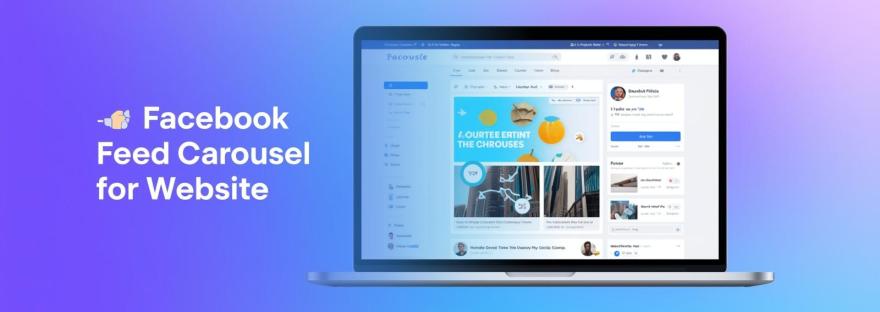
Facebook Feed Carousel for Website: How to Set It Up

In the age of digital storytelling, integrating social media with your website is a powerful way to increase engagement and build trust. One of the most interactive ways to do this is by adding a Facebook Feed Carousel for website—a sleek, scrollable display of your latest Facebook content directly on your web pages.

Whether you’re showcasing updates, photos, videos, or Facebook Reels, a Facebook carousel feed offers an engaging way to display your social presence without taking users off your site.

In this guide, you’ll learn the benefits, tools, and how to embed Facebook feed in carousel format using a leading tool—Taggbox.


What Is a Facebook Feed Carousel?

A Facebook Feed Carousel is a horizontally scrollable display of your Facebook posts—like a slider—that can include images, videos, updates, Reels, and more. Unlike static embeds, a carousel offers interaction: users can swipe or click through recent posts, increasing time on site and interest in your content.

Whether you’re an eCommerce brand, agency, blogger, or small business, adding this kind of Facebook widget creates an immersive experience and keeps your website content fresh.


Benefits of a Facebook Feed Carousel for Website

Here’s why you should consider adding one:

✅ 1. Increase User Engagement

Carousels encourage users to interact, swipe, or click—keeping them on your site longer.

✅ 2. Real-Time Social Proof

Display real-time comments, likes, shares, and posts from your Facebook page to establish authenticity and trust.

✅ 3. Fresh Dynamic Content

Feeds auto-update with your latest Facebook posts or Reels, saving time and ensuring your website is never outdated.

✅ 4. Mobile-Friendly Visual Appeal

A Facebook feed carousel adapts beautifully to different screen sizes, offering a modern, responsive experience.

✅ 5. Drive Follower Growth

By embedding your Facebook content, visitors are more likely to follow your page if they like what they see.


What You Can Embed in a Facebook Feed Carousel

You can include:

  • Facebook Page posts (images, videos, text)
  • Facebook albums or photos
  • Reviews and recommendations
  • Event announcements
  • Embed Facebook Reels on website
  • Hashtag-based content (if relevant and allowed by Facebook)

This creates a comprehensive social wall right on your website.


Best Tools to Add a Facebook Feed Carousel to Your Website

Here are some of the most reliable tools to help you add Facebook feed to website in carousel format:

1. Taggbox

A powerful social media aggregator that lets you create stunning carousel feeds for Facebook. It supports posts, videos, Reels, and offers advanced customization, content moderation, and real-time sync.

2. Elfsight

Known for its wide variety of widgets, Elfsight’s Facebook Feed widget includes carousel functionality and a user-friendly visual editor.

3. Tagembed

Another excellent aggregator that allows you to curate, filter, and embed dynamic Facebook feeds. It supports carousel layouts and multiple CMS platforms.

4. EmbedSocial

A well-known platform for embedding Facebook feeds and Reels. Offers extensive layout and styling options including slider/carousel formats.


How to Set Up a Facebook Feed Carousel Using Taggbox

Let’s walk through how to use Taggbox to create and embed a Facebook Feed Carousel for your website:

✅ Step 1: Sign Up and Log In

  • Visit Taggbox.com and sign up for an account.
  • After logging in, head to the Dashboard and click on “Add Social Feed.”

✅ Step 2: Choose Facebook as Your Source

  • Select Facebook from the list of social platforms.
  • You’ll be prompted to log in with your Facebook credentials and authorize access.

✅ Step 3: Choose Feed Type

  • You can choose to fetch content from:
    • Facebook Page posts
    • Album content
    • Reviews
    • Facebook Reels
    • Hashtag content (limited due to Facebook API restrictions)

✅ Step 4: Design Your Carousel Widget

  • Once your content is fetched, go to “Personalize” settings.
  • Select the carousel layout from the layout options.
  • Customize:
    • Number of slides
    • Scroll behavior (auto/manual)
    • Fonts, colors, and borders
    • Call-to-action buttons

✅ Step 5: Generate and Copy Embed Code

  • After designing, click “Publish”
  • Choose your website platform (HTML, WordPress, Shopify, etc.)
  • Copy the generated HTML embed code

✅ Step 6: Embed on Your Website

  • For HTML websites: Paste the code where you want the carousel to appear (e.g., homepage, footer).
  • For WordPress: Use a “Custom HTML” block or install the Taggbox plugin.
  • For Shopify/Wix: Use the built-in code embed feature or add to a custom section.

✅ Step 7: Preview and Go Live

  • Check the embedded carousel on desktop and mobile.
  • Ensure it scrolls smoothly and displays recent posts.
  • Publish the changes—and you’re done!

Best Practices for Facebook Carousel Widgets

  • Mobile Optimization: Always check how the carousel behaves on smaller screens.
  • Content Moderation: Use filters to hide outdated or irrelevant posts.
  • Strategic Placement: Place your carousel above the fold or on high-traffic pages.
  • Embed Facebook Reels: Reels are attention-grabbing—perfect for engagement.
  • Track Engagement: Use analytics (if available) to see how users interact with the widget.

Troubleshooting Tips

  • Feed Not Updating: Refresh your token or check permissions in Facebook’s API.
  • Carousel Not Displaying: Ensure JavaScript is enabled and the code is placed correctly.
  • Reels Not Showing: Confirm your tool supports Reels and the content privacy is public.

Final Thoughts

A Facebook Feed Carousel for website is more than just eye candy—it’s a dynamic tool for increasing engagement, building trust, and keeping your web content lively. Tools like Taggbox make it easy to create and embed beautiful Facebook carousels without any technical skills.

If you’re serious about leveraging your Facebook content, stop linking out and start embedding it directly on your site. Whether you’re showcasing Facebook Reels, product updates, or happy customer reviews, a carousel format brings energy and movement to your online presence.

So go ahead—embed Facebook feed today and watch your engagement grow!

wordpress facebook feed plugin
facebook

WordPress Facebook Feed Plugin: How to Display Facebook Feeds on Your Website

Social media has become a cornerstone of modern digital marketing, and Facebook remains one of the most powerful platforms for connecting with your audience. For WordPress site owners, integrating your Facebook presence directly into your website is easier than ever — thanks to the WordPress Facebook Feed plugin.

If you’re looking to embed Facebook feed content, showcase social proof, or simply keep your site content fresh and engaging, a Facebook widget on website can do wonders. In this blog post, we’ll explore what a Facebook feed plugin is, the benefits of using one, and how to add Facebook feed to website seamlessly using WordPress.


What Is a WordPress Facebook Feed Plugin?

A WordPress Facebook Feed plugin is a tool that allows you to fetch and display content from your Facebook Page, Group, or timeline directly onto your WordPress site. It typically comes in the form of a shortcode, widget, or block that can be inserted into your pages, posts, or sidebars.

Whether you want to show off your latest posts, promote events, or share user-generated content, these plugins help you create a live, auto-updating Facebook feed on WordPress — without touching any code.


Why Add Facebook Feed to Website?

Integrating Facebook content into your website provides numerous advantages:

  • Increased engagement: Visitors can interact with your Facebook content directly from your site.
  • Fresh content: Your site stays updated with your latest Facebook posts.
  • Social proof: Showing real-time customer reviews, comments, and interactions boosts credibility.
  • Cross-channel promotion: Drive traffic to your Facebook page and grow your followers.

The easiest and most efficient way to do all this is with a reliable WordPress Facebook Feed plugin.


Key Benefits of Using a WordPress Facebook Feed Plugin

1. Seamless Integration Without Coding

Most plugins are user-friendly and require zero coding skills. With a few clicks, you can embed Facebook feed content anywhere on your WordPress site. Simply authorize your Facebook account, configure the display options, and drop the shortcode or widget into place.

Whether you’re a developer or a beginner, it’s designed to be hassle-free.


2. Real-Time Content Updates

Facebook feed plugins fetch content directly from your Facebook page. That means every time you post a new update, photo, or video on Facebook, it’s automatically reflected on your website — keeping your site content dynamic and engaging.

This is especially useful for businesses that post frequently or run promotions and events.


3. Boost Trust and Social Proof

Displaying authentic interactions, reviews, and customer feedback via a Facebook widget on website builds trust with visitors. When potential customers see your active Facebook presence and positive engagement, they’re more likely to explore your offerings and convert.

In a world dominated by social influence, real-time content from Facebook can make a powerful impact.


4. Customizable Display Options

Today’s top WordPress Facebook Feed plugins offer a range of customization features:

  • Choose grid, list, or carousel layouts
  • Filter specific post types (text, image, video)
  • Customize fonts, colors, and borders to match your brand
  • Hide/show likes, comments, and share counts

With these tools, you can create a cohesive and branded look for your Facebook feed on WordPress.


5. Responsive and Mobile-Friendly

A good plugin ensures that your Facebook feed looks great on all devices — from desktops to smartphones. Most leading plugins are responsive by default, ensuring that your social media content remains accessible and engaging across platforms.


How to Add Facebook Feed to Website with WordPress Plugin

Here’s a simple step-by-step guide to add Facebook feed to website using a plugin:

Step 1: Choose a Facebook Feed Plugin

There are several free and premium WordPress Facebook Feed plugins available. Popular choices include:

  • Taggbox
  • Smash Balloon Custom Facebook Feed
  • Tagembed Facebook Feed Plugin
  • Feed Them Social

Choose one based on your feature needs, compatibility, and ease of use.


Step 2: Install and Activate the Plugin

  • Go to your WordPress Dashboard
  • Navigate to Plugins > Add New
  • Search for your chosen plugin
  • Click Install Now and then Activate

Step 3: Connect Your Facebook Account

Most plugins will prompt you to authenticate your Facebook account. This step allows the plugin to access your page feed securely.


Step 4: Customize Your Feed Display

Use the plugin settings to:

  • Select what type of content to show (posts, videos, events)
  • Choose layout options (list, grid, slider)
  • Adjust style elements to match your site design

Step 5: Embed Facebook Feed Using Shortcode or Block

Once set up, you’ll receive a shortcode or widget that you can place:

  • In a post or page using the WordPress block editor
  • In your sidebar or footer using widgets
  • Anywhere HTML is supported (e.g., Elementor, WPBakery)

That’s it! You now have a live, auto-updating Facebook feed on WordPress.


Best Practices for Using a Facebook Widget on Website

  • Placement matters: Put your Facebook feed where it’s visible but non-intrusive — like the homepage, sidebar, or footer.
  • Moderate your content: Some plugins let you filter out specific posts or keywords to maintain brand consistency.
  • Track performance: Monitor user interaction with your social feed to assess impact and make improvements.

Final Thoughts

Adding Facebook content to your website is a smart move — and the best way to do it is with a WordPress Facebook Feed plugin. It enhances your site with fresh, real-time content, increases social proof, and keeps your visitors engaged longer.

Whether you’re looking to promote events, showcase user interactions, or simply grow your Facebook following, a Facebook widget on website delivers measurable results with minimal effort.

facebook analytics tools
facebook

Facebook Analytics Tools: Maximize Your Social Media Impact

Facebook remains one of the most powerful platforms for businesses to reach their target audience. With over 2.9 billion monthly active users, it offers enormous potential to connect, engage, and convert. However, posting content alone isn’t enough. To truly succeed on Facebook, businesses need to understand how their content performs, who engages with it, and how to optimize their strategy.

This is where Facebook analytics tools come in. These tools provide insights into your audience, posts, and campaigns, helping you make data-driven decisions to boost engagement, conversions, and ROI. In this blog, we’ll explore the importance of Facebook analytics, key metrics to track, and the best tools to help you analyze your performance effectively.


Why Facebook Analytics is Important

Facebook analytics is essential for any business or marketer who wants to maximize the platform’s potential. Here’s why:

1. Understand Your Audience

Analytics tools provide insights into your audience’s demographics, interests, and behaviors. By knowing who engages with your content, you can create posts that resonate, improving engagement and reach.

2. Measure Content Performance

Not all posts perform equally. Analytics allow you to track likes, comments, shares, and clicks. This information helps identify top-performing content and guides future posting strategies.

3. Optimize Campaigns

If you run Facebook Ads or campaigns, analytics tools provide data on reach, impressions, and conversions. This allows you to adjust your strategy, budget, and targeting for better ROI.

4. Track Competitor Activity

Some tools let you monitor competitors’ pages to see what works for them. Understanding their successful strategies can help you refine your approach.

5. Make Data-Driven Decisions

Instead of guessing what works, Facebook analytics tools provide concrete data. You can plan content, schedule posts, and invest in campaigns backed by insights.


Key Metrics to Track on Facebook

When using analytics tools, these are the key metrics you should monitor:

  1. Reach: How many unique users saw your content.
  2. Impressions: The total number of times your content was displayed.
  3. Engagement: Likes, comments, shares, and clicks.
  4. Page Likes & Follows: Tracks audience growth over time.
  5. Post Clicks: How many users clicked on links, photos, or videos.
  6. Video Views: Measures engagement on video content.
  7. Demographics: Age, gender, location, and interests of your audience.
  8. Referral Traffic: How many users visited your website from Facebook.
  9. Conversion Metrics: Leads, sales, or actions taken after interacting with your page.

Tracking these metrics regularly will help you identify patterns, optimize content, and improve overall performance.


Top Facebook Analytics Tools

Here are some of the best tools to track and analyze your Facebook performance:

1. Facebook Insights

Facebook Insights is Facebook’s native analytics platform and a must-use for any business page.

Key Features:

  • Provides data on page performance, engagement, and reach.
  • Tracks audience demographics and behavior.
  • Monitors individual post performance.
  • Visual reports and charts for easy analysis.

Benefits:
Being a native tool, Facebook Insights is reliable and free. It’s ideal for beginners who want an overview of their page’s performance without third-party tools.


2. Tagembed

Tagembed is primarily known as a social media aggregator, but it also provides analytics for embedded Facebook widgets.

Key Features:

  • Tracks engagement metrics for embedded feeds.
  • Real-time updates on likes, shares, and comments.
  • Customizable dashboards to analyze feed performance.
  • Works with multiple social media platforms alongside Facebook.

Benefits:
Tagembed allows businesses to embed Facebook feeds on websites while monitoring engagement. It’s perfect for brands that want to combine analytics with interactive displays on their websites.


3. Hootsuite Analytics

Hootsuite is a complete social media management platform with powerful analytics features.

Key Features:

  • Tracks engagement, reach, and performance across multiple social accounts.
  • Customizable reporting dashboards.
  • Scheduled reporting and exportable charts.
  • Competitor analysis and benchmarking.

Benefits:
Hootsuite is ideal for agencies and businesses managing multiple Facebook pages. Its comprehensive reports help in long-term planning and strategic decision-making.


4. Sprout Social

Sprout Social is another robust analytics tool for Facebook and other social platforms.

Key Features:

  • Tracks engagement, impressions, and clicks.
  • Audience demographic analysis.
  • Competitor comparison and trend insights.
  • Custom reporting and team collaboration features.

Benefits:
Sprout Social is suitable for businesses looking for deep insights into audience behavior and content performance. It also allows teams to collaborate and plan campaigns efficiently.


5. Buffer Analyze

Buffer Analyze focuses on social media performance tracking and reporting.

Key Features:

  • Monitors post engagement, reach, and clicks.
  • Provides visual reports for easy sharing.
  • Audience growth tracking over time.
  • Tracks campaigns and content strategy effectiveness.

Benefits:
Buffer Analyze is great for small and medium businesses that want a simple, easy-to-understand analytics tool without overwhelming features.


6. Quintly

Quintly is a professional social media analytics tool for brands and agencies.

Key Features:

  • In-depth analytics for posts, pages, and campaigns.
  • Customizable dashboards and KPI tracking.
  • Benchmarking against competitors.
  • Historical data analysis to track performance over time.

Benefits:
Quintly is ideal for data-driven marketers who need detailed metrics to refine strategies and report to clients or stakeholders.


How to Use Facebook Analytics Tools Effectively

Having tools is one thing; using them effectively is another. Here’s how to maximize the benefits:

  1. Set Clear Goals: Know what you want to achieve—more engagement, leads, or website traffic.
  2. Track Relevant Metrics: Focus on metrics that align with your goals.
  3. Analyze Trends: Look for patterns in engagement, posting times, and content types.
  4. Optimize Content Strategy: Use insights to post more of what resonates with your audience.
  5. Report and Adjust: Regularly create reports and adjust campaigns based on analytics.
  6. Combine with Website Analytics: If you embed a Facebook feed on your site using tools like Tagembed, track website engagement alongside Facebook metrics.

Benefits of Combining Facebook Analytics with Widgets

Embedding a Facebook widget on your website not only enhances engagement but also allows you to analyze visitor interaction. Benefits include:

  • Real-Time Engagement Tracking: See how users interact with your feed on your website.
  • Social Proof: Display genuine likes, comments, and shares to increase trust.
  • Increased Time on Site: Visitors interact with content without leaving your page.
  • Cross-Platform Insights: Combine website analytics with Facebook performance data for better strategy.

Conclusion

Facebook analytics tools are essential for businesses and marketers who want to succeed on the platform. They provide valuable insights into audience behavior, post performance, and campaign effectiveness. Tools like Facebook Insights, Tagembed, Hootsuite, Sprout Social, Buffer Analyze, and Quintly make it easier to track metrics, optimize content, and improve ROI.

Embedding a Facebook widget on your website amplifies these benefits, allowing you to monitor real-time engagement while keeping visitors interactive and informed.

By using the right analytics tools and leveraging the data, you can craft a more effective Facebook strategy, improve engagement, and achieve your business goals. Start tracking, analyzing, and optimizing today to maximize the impact of your Facebook presence.

add facebook feed to website
facebook

How to Add Facebook Feed to Website and Boost Engagement

In today’s highly connected digital landscape, integrating social media into your website is no longer optional—it’s essential. One of the most effective ways to enhance your website’s engagement, credibility, and dynamic appeal is to add Facebook feed to website.

Your Facebook feed is a live stream of your brand’s voice, personality, and customer interactions. By embedding it directly into your site, you give visitors a real-time view of your latest posts, promotions, events, and customer engagement—without asking them to leave your website.


Why Add Facebook Feed to Website?

Your website is your digital storefront. But a static website often lacks the dynamic, personal touch that users find on social media platforms. This is where your Facebook feed comes in.

When you embed Facebook feed on website pages, you’re bringing fresh, real-time content to your users. From showcasing user interactions to promoting upcoming events and highlighting community stories, your feed helps make your site more human, trustworthy, and engaging.

Here are a few compelling reasons why brands, bloggers, eCommerce stores, and nonprofits are embedding Facebook feeds into their websites:

  • Keeps website content fresh without constant manual updates
  • Showcases real-time engagement, posts, and promotions
  • Builds trust through transparency and social proof
  • Increases time-on-site and reduces bounce rate
  • Boosts social media following directly from your site

Whether you’re a small business or a large enterprise, displaying your Facebook content on your website adds authenticity and keeps visitors connected with your brand.


Benefits of Embedding Facebook Feed on Website

Choosing to embed Facebook feed on website pages offers several measurable benefits:

1. Real-Time Updates

By embedding your live Facebook feed, your site automatically updates with new content every time you post on Facebook. This means your site stays fresh and relevant with zero additional effort.

2. Enhanced Visual Appeal

A Facebook widget adds dynamic and colorful visuals that break up text-heavy content. Whether it’s photos, videos, or event promotions, these elements make your site more engaging.

3. Increased Engagement and Followers

A Facebook widget for website often includes direct interaction buttons like “Like,” “Share,” and “Follow.” This encourages your website visitors to engage with your Facebook content without leaving your site, helping to grow your audience organically.

4. Builds Social Proof

Seeing real comments, reactions, and posts on your Facebook page reassures visitors that your business is active and credible. It’s a subtle yet powerful way to build trust with new customers.

5. Saves Time

Instead of updating your website with every announcement or promotion, your embedded feed does the job automatically. This is especially valuable for small teams or solopreneurs.


Best Tools to Add Facebook Feed to Website

There are many tools and plugins available that make it easy to embed Facebook feeds. Whether you’re using WordPress, Shopify, Wix, or a custom-built website, you can find a tool that works for your needs.

Many of these platforms also offer a free social media widget for website users who want a simple way to showcase their content without breaking the bank.

Some popular options include:

  • Tagembed – Offers customizable Facebook widgets and supports multiple website platforms. Ideal for users who want flexible design options.
  • Elfsight Facebook Feed Widget – User-friendly tool that allows you to display timelines, posts, and galleries.
  • EmbedSocial – Known for its robust integration features and attractive layouts.
  • SociableKIT – Offers a wide range of social media feed widgets including Facebook, Instagram, Twitter, and more.
  • SnapWidget – A simple solution for basic needs with a clean user interface.

These tools provide responsive and customizable widgets that fit seamlessly into your existing site design. Most allow filtering, layout changes, and performance optimizations to ensure fast loading.


Facebook Widget for Website: Use Cases

The use of a Facebook widget for website is not limited to just showing off your posts. It can serve a variety of strategic purposes depending on your industry:

  • Retail / eCommerce: Showcase product launches, user reviews, and behind-the-scenes content.
  • Restaurants & Cafes: Display daily specials, customer check-ins, or photos of dishes.
  • Event Planners: Promote upcoming events and share event photos in real-time.
  • Nonprofits: Share community stories, donation drives, and volunteer spotlights.
  • Personal Brands: Highlight speaking engagements, client feedback, and daily updates.

The widget can be placed in footers, sidebars, homepage sections, or landing pages—anywhere your audience is most likely to interact.


Free Social Media Widget for Website Integration

Not every business has the budget for premium tools. Fortunately, there are plenty of free social media widget for website options available.

Many platforms, including Tagembed and Elfsight, offer free plans with basic functionality—perfect for small businesses or bloggers just starting out. These free versions usually include:

  • Basic feed display
  • Limited customization
  • Integration with popular CMS platforms
  • Auto-syncing with Facebook posts

While paid plans unlock advanced features like moderation, custom CSS, and analytics, the free widgets are more than enough to get started and add value to your site.


SEO Benefits of Adding Facebook Feed

Aside from improving engagement and aesthetics, adding a Facebook feed can also indirectly improve your site’s SEO.

  • Lower Bounce Rate: Fresh, engaging content keeps users on your site longer, which signals relevance to search engines.
  • Improved Crawl Frequency: Regular content updates (via the feed) may prompt bots to revisit your site more frequently.
  • Keyword Association: Your Facebook post content can include brand keywords, hashtags, and mentions that strengthen semantic relevance.
  • Backlink Potential: Posts with shareable content displayed on your site increase the likelihood of backlinks from visitors and influencers.

By integrating social content natively into your site, you create a rich, engaging experience that both users and search engines appreciate.


Conclusion

To stay competitive in a digital-first world, businesses must bridge the gap between their website and social presence. When you add Facebook feed to website, you’re not just displaying content—you’re showcasing your brand’s personality, trustworthiness, and engagement in real time.

Whether you use a free widget or a premium solution, the ability to embed Facebook feed on website pages offers lasting value. It enriches user experience, builds credibility, and strengthens your overall marketing strategy. With options ranging from simple plugins to fully customizable solutions, there’s no reason not to integrate a Facebook widget for website today.

Your audience is already engaging with you on social media—why not bring that conversation to your website?

wordpress plugins to add facebook feed
facebook

Best WordPress Plugins to Add Facebook Feed on Your Website in 2025

In today’s digital landscape, integrating your Facebook feed on your WordPress website is a smart way to increase engagement, build trust, and showcase your latest content directly to website visitors. Facebook feeds can act as social proof, encourage more page likes, and keep your website dynamic. Luckily, WordPress offers a variety of plugins that make embedding your Facebook feed seamless.

In this blog, we’ll explore the best WordPress plugins to add a Facebook feed to your website, highlighting features, pricing, and suitability for different business needs.


Why You Should Embed Facebook Feed on Your Website?

Before diving into plugins, it’s important to understand why embedding a Facebook feed matters:

  1. Boost Engagement – Your latest posts, photos, and videos are displayed directly to visitors, keeping them engaged without leaving your site.
  2. Increase Social Proof – Showing real-time activity from your Facebook page builds credibility and trust with your audience.
  3. Drive Page Likes – Visitors who enjoy your feed are more likely to like and follow your page, expanding your social reach.
  4. Save Time – Instead of manually updating your website with social content, the feed plugin automatically syncs your latest posts.
  5. Improved SEO & Dwell Time – Interactive social feeds can increase the time visitors spend on your website, which positively impacts SEO.

Best WordPress Plugins to Add Facebook Feed

Here’s a curated list of top plugins you can use to integrate your Facebook feed:


1. Tagembed Social Media Feed

Tagembed is a popular choice for embedding Facebook feeds. It’s beginner-friendly and supports multiple platforms like WordPress, Shopify, and Wix.

Key Features:

  • Auto-sync Facebook page and group feeds.
  • Customizable layouts (grid, carousel, or list view).
  • Moderation panel to filter content.
  • GDPR compliant and responsive on mobile.
  • AI-powered curation to highlight relevant posts.

Pricing: Free plan available; paid plans start at $24/month.

Why Choose Tagembed:
It’s an all-in-one solution, perfect for brands that want a code-free, easy setup and dynamic social content on their site.


2. Smash Balloon Social Post Feed

Smash Balloon is one of the most trusted plugins for WordPress, allowing you to display Facebook feeds beautifully.

Key Features:

  • Display multiple feeds (page, group, or timeline).
  • Fully responsive and customizable.
  • Filter posts based on keywords or content types.
  • Supports caching to improve site speed.
  • Offers seamless integration with other social platforms.

Pricing: Free version available; premium starts at $49/year.

Why Choose Smash Balloon:
It’s highly customizable and perfect for businesses wanting a polished and professional look.


3. 10Web Social Feed

10Web Social Feed lets you display feeds from multiple social media accounts, including Facebook, Instagram, and Twitter.

Key Features:

  • Multiple feed layouts (carousel, masonry, grid).
  • Real-time updates from Facebook pages.
  • Moderation tools to control what content appears.
  • Fully responsive and mobile-friendly.

Pricing: Free with basic features; premium plans for advanced features.

Why Choose 10Web:
It’s ideal for businesses looking for a multi-platform solution without complex setup.


4. Feed Them Social

Feed Them Social is a versatile plugin for embedding Facebook, Instagram, Twitter, and YouTube feeds on WordPress.

Key Features:

  • Supports Facebook pages, events, and groups.
  • Offers shortcode support to place feeds anywhere.
  • Fully customizable feed designs.
  • Can display multiple feeds on the same page.

Pricing: Free plan available; premium starts at $50/year.

Why Choose Feed Them Social:
Perfect for marketers who want control over feed appearance and placement flexibility.


5. WP Social Ninja

WP Social Ninja is an all-in-one social media feed plugin that supports reviews, Facebook feeds, and Twitter feeds.

Key Features:

  • Fetch Facebook page posts and reviews.
  • Multiple layout options (grid, list, carousel).
  • Advanced moderation and filtering.
  • Analytics to track engagement from feeds.
  • Responsive and fast-loading.

Pricing: Premium starts at $39/year.

Why Choose WP Social Ninja:
Great for businesses that want to combine social feeds with review aggregation in one plugin.


How to Choose the Right Facebook Feed Plugin

Selecting the right plugin depends on your website goals and requirements:

  1. Ease of Use: Beginners may prefer Tagembed or Smash Balloon for simple setup.
  2. Customization: For a more branded look, consider Smash Balloon or WP Social Ninja.
  3. Multi-platform Integration: If you want feeds from multiple social platforms, 10Web or WP Social Ninja is ideal.
  4. Budget: Free plugins work for small businesses, but premium plans unlock advanced layouts and moderation features.
  5. Analytics & Engagement Tracking: Choose a plugin that offers insights if your goal is to monitor engagement from embedded feeds.

Tips for Displaying Your Facebook Feed Effectively

  • Choose the Right Layout: Grid layout is compact, while carousel works well for limited space.
  • Keep It Updated: Ensure real-time syncing so visitors always see the latest posts.
  • Moderate Content: Remove irrelevant posts to maintain a professional look.
  • Place Strategically: Sidebars, footers, or dedicated social pages are great spots.
  • Combine with Other Widgets: Embed review widgets alongside your feed to enhance credibility.

Conclusion

Embedding a Facebook feed on your WordPress website is a powerful way to increase engagement, showcase content, and grow your social presence. Plugins like Tagembed, Smash Balloon, Feed Them Social, 10Web, and WP Social Ninja offer a variety of features to suit businesses of all sizes.

Whether you’re a small business looking for a simple solution or a brand seeking advanced customization, using a Facebook feed plugin can help your website stay dynamic, interactive, and socially connected.

Start integrating your Facebook feed today and watch your website engagement soar!


promote facebook page
Digital Marketing, facebook, facebook widget

How to Effectively Promote Your Facebook Page and Go Viral

Facebook remains one of the most powerful platforms for businesses, creators, and influencers seeking to connect with their audiences. With billions of active users worldwide, it provides an ideal space to share content, engage fans, and grow your brand. However, simply having a Facebook page isn’t enough. To succeed, you need actionable strategies to promote your Facebook page, make your content resonate, and maximize reach.

In this blog, we’ll explore practical tips, tools, and best practices to help you grow your audience, and use Facebook hashtags effectively.


Why Promoting Your Facebook Page Matters?

Many businesses underestimate the importance of actively promoting their Facebook page. A few posts here and there won’t build a loyal audience. Promotion is essential because it:

  • Builds Brand Awareness: The more people see your page, the more recognizable your brand becomes.
  • Encourages Engagement: Active promotion leads to more likes, shares, and comments.
  • Drives Traffic to Your Website: Facebook posts can guide followers to your blog, product pages, or landing pages.
  • Generates Leads and Sales: A well-promoted page can convert followers into paying customers.

Promotion doesn’t just grow numbers—it builds trust and authority in your niche.

Optimize Your Page for Maximum Impact

Before you start promoting, ensure your page is optimized for both users and search engines. A well-optimized page increases the likelihood that new visitors will hit the “Like” button.

  1. Complete Your Profile: Add a professional profile picture, cover photo, and business details.
  2. Craft a Clear About Section: Include your description, website link, and contact info.
  3. Use a Branded URL: A clean URL, such as facebook.com/yourbrand, is easy to remember.
  4. Enable Call-to-Action Buttons: Options like “Shop Now,” “Sign Up,” or “Contact Us” guide visitors effectively.

Once your page is fully optimized, you’re ready to attract followers and grow engagement.

Smart Ways to Promote Your Facebook Page

1. Cross-Promote on Other Channels

Sharing your Facebook page on your website, blog, email newsletters, and other social media accounts helps reach existing audiences who may not know you’re on Facebook. Cross-promotion is an easy, cost-effective way to increase visibility.

2. Collaborate with Influencers

Partnering with influencers in your niche can boost exposure. Influencers can share your content, tag your page, and help posts go viral on Facebook. The key is to collaborate with influencers whose followers match your target audience.

3. Use Facebook Ads Strategically

Paid promotion can accelerate growth. With Facebook Ads, you can:

  • Target specific demographics, locations, and interests.
  • Boost high-performing posts to reach more people.
  • Encourage page likes, website visits, or event responses.

Even a small ad budget can lead to significant growth when applied thoughtfully.

4. Engage Your Audience

Actively engage with followers by responding to comments, asking questions, and running polls. Interaction not only strengthens relationships but also boosts the visibility of your posts in others’ Facebook feed.

Optimize Your Facebook Feed for Engagement

Your Facebook feed is where followers interact with your content. To make the most of it:

1. Post Consistently

A consistent posting schedule keeps your audience engaged and expecting new content. Use a content calendar to plan posts in advance.

2. Mix Content Types

Different types of content resonate differently with your audience:

  • Text posts for quick updates
  • Images for visual appeal
  • Videos for storytelling
  • Polls or quizzes for engagement
  • Live sessions for real-time interaction

Videos and live sessions, in particular, are more likely to go viral on Facebook because of their higher engagement rates.

3. Tell Stories

Stories are memorable and relatable. Share behind-the-scenes content, customer testimonials, or team experiences to create an emotional connection with your audience.

4. Monitor Metrics

Track likes, shares, comments, and reach to identify what content works best. Adjust your strategy based on these insights to improve engagement.

Harness the Power of Facebook Hashtags

Facebook hashtags help categorize your content and make it discoverable by people who aren’t following your page.

  • Use hashtags relevant to your niche, like #MarketingTips or #HealthyLiving.
  • Combine popular hashtags with more specific ones to reach a targeted audience.
  • Limit your hashtags to 2–5 per post for optimal engagement—too many can look spammy.

When used strategically, hashtags increase visibility and can contribute to making your content go viral on Facebook.

Additional Tips to Boost Reach

  1. Host Giveaways and Contests: Encourage followers to like, comment, and share your posts for a chance to win.
  2. Feature User-Generated Content: Share content created by your fans to build community and trust.
  3. Post at Optimal Times: Analyze your audience insights to determine when followers are most active.
  4. Use Eye-Catching Visuals: Bright, high-quality images and videos attract more attention in the Facebook feed.
  5. Encourage Shares: Craft content that is informative, entertaining, or inspirational to encourage followers to share it with friends.

How to Measure the Success of Your Facebook Promotion

Tracking your efforts is key to improving your strategy. Focus on these metrics:

  • Page Likes and Follower Growth: Measures overall audience growth.
  • Engagement Rate: Includes likes, comments, and shares.
  • Reach and Impressions: Shows how many people saw your posts.
  • Click-Through Rate (CTR): Tracks clicks to your website or landing pages.

Regularly reviewing analytics allows you to refine your content, posting schedule, and promotional efforts.


Conclusion

Promoting your Facebook page effectively requires a mix of strategy, consistency, and creativity. By optimizing your page, leveraging your Facebook feed, using Facebook hashtags, and engaging your audience, you can increase visibility, build trust, and encourage interactions. When done right, these efforts can help your content go viral on Facebook, attracting new followers and growing your brand’s online presence.

Remember, the goal is not just to get likes but to foster a community of engaged, loyal followers who contribute to your brand’s long-term success. Start applying these strategies today and watch your Facebook page grow.

verified on facebook
Digital Marketing, facebook

Guide to Got Verified on Facebook

Getting verified on Facebook is something many people and businesses aim for. It shows your audience that your page or profile is the real deal. Whether you’re a creator, public figure, brand, or business, being verified on Facebook builds trust and makes you stand out.

In this guide, we’ll explain everything you need to know about how to get verified on Facebook. We’ll also show you how tools like Facebook widgets and Facebook aggregators can help boost your visibility.

What Does it Mean to Be Verified on Facebook?

When you’re verified on Facebook, you get a blue or gray checkmark next to your name. The blue check is for public figures, celebrities, brands, or notable pages, while the gray check used to be for businesses and organizations (Facebook has since removed the gray check but may bring similar features again).

This checkmark means Facebook has confirmed that your page or profile is authentic. It helps prevent fake accounts from pretending to be you.

Why Get Verified on Facebook?

There are many benefits to being verified:

  • Builds Trust: Your audience knows you are the real deal.
  • Better Visibility: Verified accounts often rank higher in search results.
  • Boosts Credibility: People are more likely to follow and engage with verified accounts.
  • Prevents Impersonation: No one can easily pose as your brand or profile.

Who Can Get Verified on Facebook?

Facebook doesn’t just verify anyone. You need to meet certain requirements:

  1. Authentic: Your account must represent a real person, business, or brand.
  2. Complete: You must have a profile photo, bio, and at least one post.
  3. Unique: You can’t have multiple verified accounts for the same person or brand (except in different languages).
  4. Notable: Your account should represent a person, brand, or entity that is well-known and frequently searched.

How to Apply for Facebook Verification

Follow these steps to apply:

  1. Go to your Facebook profile or page.
  2. Click the menu icon (three dots).
  3. Select Settings & Privacy > Settings.
  4. Click on Account Verification (or search for “Verification”).
  5. Fill in the required form:
    • Your full name.
    • Your account category (e.g., entertainment, sports, business).
    • A few sentences explaining why your account should be verified.
    • Official documents (like an ID or business license).
  6. Click Send and wait for Facebook to review your request.

Tips to Increase Your Chances of Getting Verified

While applying is simple, getting approved is not guaranteed. Here are tips to improve your chances:

  • Be Consistent: Use the same name across all your social media accounts.
  • Post Regularly: Show that your account is active and relevant.
  • Build Your Online Presence: Be featured in news articles, blogs, or websites.
  • Engage With Followers: Interact and grow your community.
  • Avoid Fake Followers: Organic growth is key.

How Facebook Widget Helps Your Online Identity

A Facebook widget is a small tool you can add to your website to display your Facebook feed, likes, or posts. It helps in many ways:

  • Increase Trust: Visitors can see real-time activity from your Facebook page.
  • Grow Followers: People can like and follow your page directly from your site.
  • Keep Users Engaged: Show them what’s happening on your social media.

Adding a Facebook widget to your website not only improves engagement but also signals to Facebook that you are active and serious about your brand.

Common Reasons for Verification Rejection

If your verification request is denied, it could be because of:

  • Incomplete profile information
  • Lack of official documents
  • Not enough public presence or media coverage
  • Fake or misleading information

Don’t worry—if you’re denied, you can apply again in 30 days. Use that time to improve your profile and build your visibility.

Mistakes to Avoid

Avoid these mistakes while applying:

  • Submitting false documents
  • Using inconsistent names across platforms
  • Having a profile with no posts or low engagement
  • Not linking to your other verified platforms or sites

How Long Does Facebook Verification Take?

Facebook usually responds within a few days to a week, but in some cases, it might take longer. If you’re approved, you’ll see a checkmark next to your name. If not, you’ll receive a notification explaining why.

How Verified Status Impacts Engagement

Once verified, people are more likely to interact with your content. Facebook may also prioritize your posts in news feeds and comments. You’ll likely gain followers more quickly because your account looks trustworthy.

Final Thoughts

Getting verified on Facebook isn’t just about the blue checkmark—it’s about building a strong online identity. Stay consistent, be active, and use helpful tools like Facebook widgets and Facebook aggregators to show that you’re real and reputable.

Whether you’re a creator, business, or public figure, follow this guide step-by-step to improve your chances of success. Keep growing your brand, and soon enough, you might just see that verified badge next to your name!

social media Facebook aggregator
facebook

Facebook Aggregators Explained: A Beginner’s Guide

For businesses, marketers, and content creators, Facebook content management can be very taxing. social media Facebook aggregator free simplify this process. By pooling posts, comments, and analytics from several sources, these aggregator tools allow one to save time, efficiently manage content, and elevate engagement strategies. If one is looking to increase Facebook Page followers, probe audience interactions, or monitor trends, Facebook aggregators can change the game.

What Are Facebook Aggregators?

A Facebook aggregators is a tool that facilitates the collection and organization of Facebook content from various pages, groups, or profiles. Rather than manually searching multiple sources, an aggregator collects all relevant content into a single dashboard. This would be useful for businesses monitoring brand mentions, content creators in search of ideas for Facebook posts, or marketers analyzing trends.

Some aggregators might even allow the automation of content curation, allowing the easy sharing of trending posts to keep the audience engaged. This is vital for anyone trying to increase followers on their Facebook page through consistent posts.

How Do Facebook Aggregators Work?

API connections are the modus operandi of most Facebook Aggregators to extract data from Facebook pages, groups, or user interactions. These tools search across the platform for keywords, hashtags, or specific pieces of user-generated content and display the collected information in an easy-to-read format. 

For example, a Facebook aggregator can provide insights into Facebook Hashtag Tracking by collecting and analyzing posts that relate to a brand, product, or issue for which hashtag engagement is being tracked. Such data helps with the identification of trending subjects that can be preparing to counter-program with the content strategy.

Benefits of Using Facebook Aggregators

1. Save Time and Effort

Page after page and group after group can be converted to a Facebook Aggregator into hours spent manually checking and cross-forming them all. It is flexible enough for social media managers who would want to schedule post timings while also needing a way to see how people would be engaging.

2. Discover Fresh Content Ideas

Ideas for Facebook posts can be hard to come by; however, those ideas are made easier with aggregators by showing trending topics, viral posts, and user-generated content that pertain to your niche. So your content will usually remain relevant and interactive.

3. Boost Engagement with Data-Driven Insights

Likewise, plenty of engagement is really important in developing a Facebook page. The Facebook Aggregators provide great insights for you to optimize content performance. Is there any engagement from the users through likes, comments, or shares? Then trial and error will help you figure out what types of posts your audience likes. you can join trending conversations and gain visibility. So with that in mind, you can create content that attracts more eyeballs and keeps your followers engaged.

4. Improve Page Engagement

When you know the kind of content that resonates with your audience, it is possible to use it for more likes, shares, and comments for your post. This will lead to better engagement while following the Facebook Page organically.

5. Embed Facebook Content on Your Website

You can have Facebook widgets from some aggregators for displaying Facebook feeds, reviews, posts, etc., on your website in real time, thus increasing audience engagement and prompting visitors to interact with your brand on Facebook.

6. Monitor Brand Reputation with Facebook Reviews

Aggregators are also keeping an eye on the Facebook reviews, thus helping businesses quickly respond to feedback from customers. The positive reviews can be showcased on websites, while one should be proactive to address any negative customer feedback.

Popular Facebook Aggregators to Consider

Some of the best-known aggregators help in creating a streamlined content management and engagement strategy.

  1. Tagbox– A social media aggregator for embedding live Facebook feeds on websites.
  2. Hootsuite– Enables you to schedule, track engagement, and monitor mentions for your posts.
  3. Sprout Social– Has in-depth analytics and hashtag tracking.
  4. Feed Them Social– This is a plugin that allows you to embed Facebook feeds, posts, and videos on your site.
  5. Tagembed– Gathers Facebook posts as a live feed displayed on websites. 

These instruments have made the content aggregation easy but feature-rich like embedding Facebook Reels, tracking hashtags, and showing real-time social proof using Facebook reviews.

How to Choose the Right Facebook Aggregator

When selecting a aggregator, consider the following factors:

1. Features and Functionality

Consider features like Facebook Hashtag Monitoring, Post Scheduling, Analytics, and Facebook Widgets for integration into Websites. Ensure the software fits your exact needs.

2. Ease of Use

A good aggregator should have an intuitive interface that simplifies material management. Beginners should choose the possibility of a user -friendly equipment with a minimum setup.

3. Pricing and Scalability

If you’re a small business or content creator, start with a free plan before investing in a premium tool. Ensure the aggregator can scale with your growing needs.

4. Integration with Other Platforms

Some aggregators support multiple social media platforms, allowing you to manage Facebook alongside Instagram, Twitter, and LinkedIn in one place.

Potential Challenges and Limitations

While Facebook Aggregators offer numerous benefits, they also come with some challenges:

  • Data Accuracy Issues – Some tools may not update in real-time, leading to outdated content displays.
  • Privacy and Compliance Concerns – Facebook’s API restrictions may limit data collection, affecting certain features.
  • Dependence on Third-Party Tools – Relying too much on aggregators can be risky if a tool discontinues service or changes its pricing structure.

Despite these challenges, the right aggregator can be an invaluable tool for content curation, engagement, and analytics.

Conclusion

In today’s fast-paced digital world, aggregators are essential for businesses, marketers, and content creators looking to streamline their social media strategy. From Facebook Hashtag Tracking to embedding Facebook Reels on websites, these tools provide valuable insights and automation that can help increase Facebook Page followers and improve engagement.

By choosing the right aggregator, you can simplify content management, track audience interactions, and enhance your online presence. Whether you’re monitoring Facebook reviews or looking for fresh Facebook post ideas, aggregators offer the perfect solution to optimize your strategy. Start exploring the best tools today and take your Facebook game to the next level!

Facebook Page Followers
facebook

The Ultimate Guide to Increase Facebook Page Followers

With the digital revolution of our current era, social media is key to brand creation and audience building. Amongst all the social media platforms available, Facebook continues to be a giant with billions of active accounts. Nevertheless, increasing your base on Facebook isn’t simply having a page; it’s having the ongoing determination to discover how to gain increased Facebook page followers. More followers equal greater engagement, better credibility, and more business prospects. In this guide, we will lead you through time-tested methods to increase Facebook page followers naturally as well as by paid means.

Top tips increase Facebook Page Followers

Increase your Facebook Page followers with these top 12 tips for engagement and growth

1. Knowledge of Facebook’s Algorithm

First, let us know how the algorithm of Facebook works. Facebook gives priority to content based on:

  • Engagement (likes, shares, comments)
  • Relevance and quality of posts
  • Consistency and timing of posting

If your posts attract more interaction, Facebook will present them to a larger audience. Thus, high-quality and interactive content is crucial.

2. Optimize Your Facebook Page for Maximum Reach

An optimized page is the stepping stone for increased Facebook page follower growth. Make sure your page has:

  • A quality profile and cover photo
  • An interesting “About” section with key information
  • Keywords for improved searchability
  • Clean contact details and CTA buttons

An optimized page will not only assist you in promoting Facebook pages efficiently but also create a powerful first impression among potential followers.

3. Produce High-Quality, Engaging Content

Content is the monarch of social media. To increase Facebook page followers, you need to post useful and engaging content regularly, including:

  • Eye-catching images and graphics
  • Short and interesting videos
  • Live streams for real-time interaction
  • Polls and quizzes to encourage engagement

Using Facebook Hashtag strategically can also boost your content’s reach, making it more discoverable to a wider audience. The more interesting and well-optimized your content, the higher the chances of increasing Facebook page visibility and getting users to follow your page.

4. Use Facebook Groups & Communities

Facebook Groups are a great method to increase  Facebook page followers. Tactics include:

  • Participating in and joining groups related to your niche
  • Sharing useful information rather than direct promotions
  • Building your own Facebook group for community building

An efficient group can assist you in interacting with prospective followers on a more personal level and improve Facebook page interaction through valuable discussions.

5. Host Contests & Giveaways

Having contests or giveaways is an infallible method to increase Facebook page followers. Best practices are as follows:

  • Inviting users to like, share, and tag friends to participate
  • Providing niche-related prizes
  • Having clear and equitable contest rules

Contests not only enhance Facebook page engagement but also boost brand loyalty and exposure. Additionally, encouraging participants to leave a Facebook review about their experience can further strengthen credibility and attract more potential followers.

6. Utilize Facebook Ads Wisely

Facebook advertising can greatly contribute to increase Facebook page followers. Successful ad tactics involve:

  • Targeting specific groups
  • Utilizing interactive ad formats such as video and carousel ads
  • Optimizing the budget for maximum ROI

A carefully planned Facebook ad campaign can effectively promote Facebook page growth and draw quality followers.

7. Work with Influencers and Other Pages

Working with influencers and related Facebook pages can give your follower base a huge boost. Consider:

  • Collaborating with influencers in your niche
  • Cross-promoting with other Facebook pages
  • Hosting joint live sessions or giveaways

A simple shoutout or shared post from a popular influencer can really boost Facebook page followers.

8. Encourage Engagement and User-Generated Content

Engaging a facebook page is an important factor in increase Facebook page followers. Successful strategies include:

  • Asking thought-provoking questions
  • Running interactive polls

Encouraging user-generated content (UGC) such as testimonials and photos

Featuring user content creates a sense of community and encourages more participation.

9. Post at Optimal Times and Stay Consistent

Posting at optimal times can help increase Facebook page followers. Best practices include:

  • Analyzing Facebook Insights for peak activity times
  • Creating a content calendar for consistency
  • Maintaining a steady posting schedule with engaging Facebook post ideas

Consistently sharing well-planned Facebook post ideas will boost your page’s credibility and keep your brand on top of your followers’ minds.

10. Leverage Facebook Live and Stories

embedding Facebook reel and Stories are excellent features to interact with your audience. Consider:

  • Using Facebook Live for Q&A sessions and product launches
  • Sharing behind-the-scenes content through Stories
  • Posting limited-time offers and exclusive updates

These features keep the audience engaged and increase Facebook page engagement.

11. Engage With Your Audience Proactively

Engagement is a two-way process. In order to boost Facebook page followers, you ought to:

  • Answer comments and messages in a timely manner
  • Show appreciation for shares and mentions
  • Start conversations with followers

A strong relationship with your audience generates loyalty and fuels Facebook page reach.

12. Track and Update Your Strategy Ongoing

Keeping track of how you’re performing is important in order to drive long-term growth. Utilize Facebook Insights to:

  • Measure post engagement and reach
  • Determine content that will resonate with your audience
  • Make adjustments to strategy for improved outcomes

A data-driven approach ensures your efforts effectively increase Facebook page followers over time.

Conclusion

Building a Facebook page involves strategic planning, compelling content, and ongoing audience interaction. By optimizing your page, taking advantage of Facebook’s features, and employing organic and paid tactics, you can effectively grow Facebook page followers. Through contests, collaborations, or targeted advertising, there are many methods to increase Facebook page engagement and drive Facebook page growth. Be consistent, try various strategies, and see your followers build steadily over time.