AI UGC

Top Strategies for AI UGC Video Creation in 2025

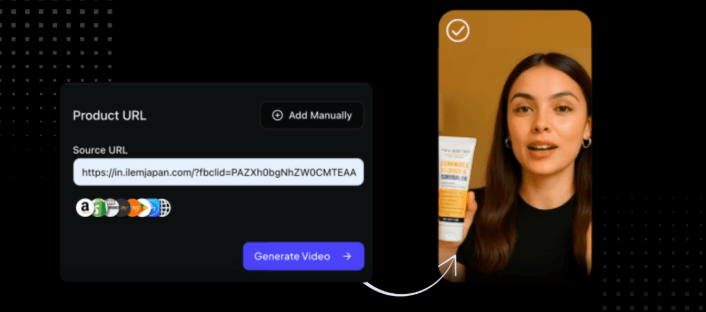
Video marketing is evolving fast, and in 2025, AI is leading the way. One of the most exciting trends? AI-generated user-generated content—also known as AI UGC videos. These aren’t just any videos. They’re designed to look like they’re made by real users, influencers, or customers, but they’re actually created with the help of smart AI tools.

If you’re in eCommerce, D2C, or digital marketing, this is your golden opportunity. AI UGC lets you create authentic-looking videos quickly, affordably, and at scale.

In this article, let’s break down the top strategies to make the most of AI UGC video creation in 2025.

🔥 First, Let’s Understand the Types of AI Video Content in 2025

Before diving into strategies, it’s good to know the different types of AI videos brands are using this year:

  1. AI-Generated Explainer Videos
    These videos use avatars or animation to explain product features, how-tos, or service benefits. Tools like Synthesia or Pictory can do this.
  2. AI UGC Videos (User-Generated Style)
    These are videos that mimic real customers or influencers talking about your product. Think product reviews, unboxings, or testimonials, but created by AI avatars or voice clones. They’re designed to feel native to social media platforms.
  3. AI Ads with Voiceovers
    These use AI voices over product visuals to create quick and affordable ad creatives.
  4. AI-Powered Product Demos
    These simulate a real user experience with your product, guided by an AI-generated host.

Now, let’s talk strategy—how can you create scroll-stopping AI UGC videos this year?

1. 🎯 Start with the Right Use Case

Don’t just create a video because AI makes it easy. Know your goal first:

  • Want to increase product trust? → Make a testimonial-style AI UGC.
  • Want to improve conversions on product pages? → Use review or demo-style AI UGC.
  • Want to create quick TikTok-style content? → Go for AI influencer-style reels.

Example: If you’re a skincare brand, use AI to create a UGC-style video of a “customer” sharing her day-10 results.

2. 🤖 Choose the Right AI UGC Tools

Your tool can make or break your output. Some of the best AI UGC video creators in 2025 include:

  • Tagshop AI – Known for generating real-looking AI UGC videos from text prompts.
  • Creatify – Great for TikTok-style influencer content.
  • Adcreative.ai – Perfect for ad-focused video UGC.
  • Synthesia – Ideal for avatar-based UGC and explainer videos.
  • HeyGen – Offers multilingual AI avatars with realistic expressions.

Tip: Choose a tool that lets you customize face, tone, language, and script.

3. ✍️ Use Script Prompts That Feel Real, Not Robotic

AI UGC videos should sound like a real person, not a salesperson. Write scripts that match your audience’s voice:

  • Keep it casual and conversational.
  • Use phrases like “I just tried this out…” or “You won’t believe what this did…”
  • Include emotion: excitement, surprise, satisfaction.

Pro Tip: Use ChatGPT to write a script in the tone of a 25-year-old TikTok creator. You’ll be surprised how human it sounds.

4. 📱 Design for Vertical First (Instagram, TikTok, YouTube Shorts)

AI UGC videos work best when made for where your users hang out short-form, vertical video platforms.

2025 best practices:

  • Keep videos between 15 to 30 seconds
  • Add auto captions
  • Show product within the first 3 seconds
  • Use trending music or hooks when possible

Tools like Tagshop AI and Creatify let you choose vertical templates and even add native platform overlays.

5. 🌍 Personalize for Different Audiences

One major advantage of AI UGC videos? You can scale and personalize.

Use AI to:

  • Change accents or languages for different regions
  • Create multiple versions for male/female personas
  • Test different scripts for A/B testing ads

Example: An e-commerce shoe brand could create the same video in American English, Spanish, and UK English in under an hour, with AI.

6. 🎥 Blend AI UGC with Real UGC for Trust

If you already have real user content, mix it with AI-generated content. This helps:

  • Increase trust
  • Make AI videos feel even more natural
  • Keep your content pipeline full

Many brands use AI UGC as a backup when real creators are unavailable or too expensive.

7. 📊 Optimize Videos for Performance, Not Just Aesthetics

Looks are important, but performance matters more.

To make AI UGC videos that convert:

  • Include calls-to-action (CTAs) like “Check it out” or “Link in bio.”
  • Mention a unique benefit early in the video
  • Use A/B testing to find the best-performing scripts and styles

Bonus: Most AI video tools now include analytics to track views, watch time, and conversions.

8. Create a Content Engine, Not One-Off Videos

Don’t stop at one or two videos.

Use AI UGC to build a repeatable content engine:

  • Create monthly video batches
  • Repurpose one video into 5 versions (different models, tones, or lengths)
  • Use scripts from reviews, FAQs, or past customer feedback

Example: A supplement brand could take 5 top reviews and instantly turn them into 5 AI UGC video testimonials—ready for ads.

9. ✅ Stay Transparent & Ethical

In 2025, audiences are more aware of AI. While AI UGC doesn’t need to scream “I’m AI!”, avoid misleading users.

Best practices:

  • Don’t fake influencer endorsements
  • Don’t pretend an AI actor is a real customer
  • If needed, mention it’s an AI-generated demo or review

Transparency builds brand trust.

10. 📅 Plan Campaigns Around Trends & Seasons

AI lets you react fast. Use that to your advantage:

  • Launch Valentine’s Day, Black Friday, or Summer Sale campaigns with AI UGC actors
  • Create videos around new product drops
  • Follow social trends or viral sounds using AI-generated creators

You’ll never run out of content ideas when AI is on your side.

Final Thoughts: AI UGC Isn’t the Future—It’s the Now

In 2025, brands that win on social and ads are the ones that create fast, scalable, authentic-looking content, and that’s exactly what AI UGC offers.

It’s not about replacing real people. It’s about unlocking creativity and speed, especially for eCommerce and D2C brands who need to test and launch content daily.

So if you haven’t yet explored AI UGC video creation, now’s the time. With the right tools and strategies, you can build a powerful, performance-driven video engine—without needing a camera, studio, or influencer contracts.

AI Video Examples
AI Social Media

5 Mind-Blowing AI-Generated Videos and How They Were Made

Artificial intelligence is no longer just a buzzword—it’s a creative force that’s transforming the world of visual content. From hyper-realistic avatars to surreal dreamscapes, AI-generated videos are pushing the boundaries of storytelling, marketing, and art. What once took teams of editors, designers, and videographers can now be achieved with a few clicks and clever prompts.

But not all AI videos are created equal. Some stand out so much that they make you stop, stare, and wonder: How is this even possible?

Let’s explore 5 jaw-dropping AI-generated videos and unpack the technology and tools that brought them to life.

1. The “Will Smith Eating Spaghetti” Video

Why it’s mind-blowing:
This video, which went viral on social media, features a hyper-surreal version of actor Will Smith awkwardly eating spaghetti. It’s strange, hilarious, and slightly creepy—perfect meme fuel. But what’s amazing is how AI stitched it together from scratch.

How it was made:
This video was created using a combination of Runway’s Gen-2 and Stable Diffusion. Here’s the breakdown:

  • A prompt like “Will Smith eating spaghetti” was fed into a text-to-video model.
  • AI-generated frames of Will Smith based on training data, then interpolated between them to simulate motion.
  • The result: a glitchy, dreamlike video that’s oddly mesmerizing.

While it’s not photorealistic, it perfectly showcases how AI can generate original, moving visuals from pure text—no actors, no cameras, just data.

2. Nike’s “Future Athletes” AI Ad Campaign

Why it’s mind-blowing:
This campaign features futuristic athletes training in sci-fi cities, performing gravity-defying stunts, and interacting with robotic coaches. It looks like something straight out of a Marvel movie, yet it was generated almost entirely by AI.

How it was made:

  • Tagshop AI and Synthesia were used to generate avatars of athletes in branded gear.
  • Backgrounds were created with MidJourney and animated using Kaiber and Runway.
  • Post-processing was handled by Adobe Premiere + AI plugins for realism.

This campaign is a perfect example of how major brands are embracing AI for large-scale, cinematic content, without Hollywood budgets.

3. “Pepperoni Hug Spot” – The AI Pizza Commercial

Why it’s mind-blowing:
This fake commercial for a fictional pizza place named Pepperoni Hug Spot was written, voiced, and animated entirely by AI—and it’s hilariously bizarre.

The video features unsettling deepfake-style smiles, oddly phrased slogans like “Cheese. Meat. Good.” and robotic voices saying things like “Our chefs are doing pizza with heart.”

How it was made:

  • Script: Generated using ChatGPT with a prompt like “Write a 30-second pizza commercial.”
  • Voiceovers: Created with ElevenLabs for the robotic yet emotional tone.
  • Visuals: Produced using Runway’s Gen-2 and Synthesia avatars.
  • Editing: Compiled with stock music and subtle AI-based filters to enhance weirdness.

The video went viral not just for its humor, but because it showed how end-to-end video creation can be automated in minutes using AI tools.

4. AI Music Videos by Grimes and Holly Herndon

Why it’s mind-blowing:
Musicians like Grimes and Holly Herndon are blending AI with art in groundbreaking ways. Their music videos feature AI-generated visuals, deepfakes, and vocals—all crafted with minimal human input.

How it was made:

  • Grimes used her AI voice model (GrimesAI-1) to let fans create their own tracks with her voice.
  • For her videos, she used Kaiber and Deforum to generate surreal landscapes that evolve with the beat.
  • Holly Herndon’s AI clone “Holly+” generates harmonized vocals and visual interpretations in real-time using machine learning.

These artists are redefining what it means to “collaborate”—not with other humans, but with algorithms. The result is haunting, beautiful, and deeply original.

5. The Arcads AI Avatar Campaign for E-commerce

Why it’s mind-blowing:
Arcads, a rising platform for AI video creation, powered a full-fledged e-commerce campaign using AI avatars modeled after real influencers. These avatars showcased products, delivered testimonials, and interacted with customers, without filming a single real person.

How it was made:

  • Avatar Creation: Avatars were generated using Arcads’ proprietary engine that uses facial modeling + voice synthesis.
  • Scripting: Product video scripts were written using GPT-powered copy generation.
  • Video Output: Scenes were rendered with customizable templates and voices using TTS + lip-sync models.
  • Personalization: AI allowed for versioning across hundreds of SKUs and platforms in different languages.

This campaign highlighted a key trend: using AI not just for content creation, but for scalable personalization in retail marketing. Brands can now create influencer-style videos for thousands of products, 24/7, with no studio.

What These Videos Teach Us

These examples may seem wildly different—comedy, music, ads—but they all share a few key ideas:

  • Text-to-video models are maturing: Tools like Runway, Pika Labs, and Sora are making it easier than ever to animate ideas straight from prompts.
  • AI avatars are replacing traditional influencers: Platforms like Tagshop, Arcads, Synthesia, and D-ID let brands clone voices and faces with astonishing realism.
  • Scriptwriting + voice = a full narrative: ChatGPT + ElevenLabs = complete control over tone, humor, pacing, and messaging.
  • AI removes creative bottlenecks: No cameras, actors, or editors required—just imagination and the right stack of tools.

The Future: From Hype to Utility

We’re only scratching the surface of what’s possible with AI-generated video. Soon, anyone could:

  • Create entire YouTube channels using AI hosts.
  • Build personalized video responses at scale for customer service.
  • Generate training videos, product explainers, or music videos—all without cameras or studios.

And as tools become more intuitive, you won’t need to be a tech genius or filmmaker to compete with top-tier agencies.

Final Thoughts

AI-generated videos are no longer just futuristic experiments—they’re powerful storytelling tools already disrupting entertainment, advertising, and content creation.

Whether it’s a hilarious deepfake ad like Pepperoni Hug Spot or an ultra-slick Nike campaign built with digital athletes, the future of video belongs to those who know how to speak the language of AI.

And the best part? Anyone can learn it.

All you need is an idea, the right tools, and maybe a prompt like:
“A flying cat DJ in a neon Tokyo nightclub, shot in cinematic style, narrated by Morgan Freeman.”

With AI, even that video can be real.

AI Avatars
AI UGC

The Rise of the AI Avatar: How AI is Redefining UGC for Advertising

User-generated content (UGC) has long been revered as a powerful form of authentic engagement. Whether it’s a customer review, a social media video, or an influencer’s testimonial, UGC lends a sense of trust and relatability to brands that traditional advertising often lacks. However, as artificial intelligence (AI) continues to transform industries, it’s now redefining what UGC even means—ushering in the age of AI avatars.

Welcome to the next frontier: AI-generated UGC, where lifelike digital personas (aka AI avatars) are created to deliver brand messages at scale, with precision, and—surprisingly—with a human touch. Let’s explore how this revolutionary shift is happening, why it’s gaining momentum, and what it means for advertisers, content creators, and consumers alike.

What Are AI Avatars?

AI avatars are digital representations of people—real or fictional—powered by artificial intelligence. These avatars can speak, move, emote, and interact much like real humans, thanks to advancements in deep learning, natural language processing (NLP), and computer vision.

Some avatars are hyper-realistic and almost indistinguishable from actual people, while others lean toward stylized animations. Platforms like Synthesia, HeyGen, and DeepBrain AI have enabled marketers to generate professional-looking videos with AI avatars simply by inputting text scripts. This shift allows brands to produce “human” content without hiring actors or videographers.

The New UGC: From Human-Made to AI-Generated

Traditional UGC was about tapping into your community to create content that promotes your product organically. With AI avatars, brands are now producing UGC-style content without waiting for real users to post. This includes testimonial videos, product explainer videos, reaction content, and more—all generated using AI.

Here’s how AI avatars redefine UGC:

  • Scalability: Brands can instantly create localized content for different regions and languages without hiring multiple actors or influencers.
  • Consistency: Unlike human creators, AI avatars always deliver messages exactly as scripted, ensuring on-brand communication.
  • Speed: Entire content batches can be created within hours or even minutes, bypassing the long timelines of traditional video production.

This new form of synthetic UGC maintains the appearance of authenticity while offering the efficiency of automation.

Why AI Avatars Are Taking Over Ad Production

The rise of AI avatars in advertising isn’t just a fad; it’s the result of several converging needs in the marketing world:

1. Demand for Video at Scale

With platforms like TikTok, Instagram Reels, and YouTube Shorts dominating consumer attention, video has become the preferred content format. Brands now need massive volumes of short-form, engaging videos tailored to different demographics. AI avatars meet this demand efficiently.

2. Cost-Effective Production

Traditional video production involves expenses related to casting, filming, editing, and logistics. AI-generated videos eliminate many of these costs. Small businesses, startups, and even enterprise-level brands are turning to AI to reduce production budgets while maintaining quality.

3. Hyper-Personalization

AI avatars can help create personalized content for different customer personas. Imagine receiving a product demo video in your native language, delivered by someone who looks and sounds like you. This hyper-targeted approach boosts engagement and conversions.

4. Creator Economy Fatigue

While influencer marketing remains powerful, it’s increasingly competitive and expensive. Many micro-influencers now charge high fees, and maintaining long-term partnerships can be cumbersome. AI avatars give brands an alternative: customizable, always-available “digital influencers” who never miss a deadline.

The Ethics and Realness Debate

With all the benefits come valid concerns, especially around authenticity. Can content generated by AI truly be considered “user-generated”? Will audiences trust digital avatars as much as they do real people?

Some argue that AI UGC risks misleading consumers, especially when it’s not disclosed that a piece of content is AI-generated. To maintain transparency and trust, brands need to clearly label AI-generated videos and avoid presenting them as organic testimonials.

On the other hand, some consumers don’t mind. If the message is helpful, entertaining, or informative, they’re often indifferent to whether it was delivered by a real person or a digital twin.

Real-World Applications of AI Avatars in Advertising

Here are some impactful use cases showing how AI avatars are already revolutionizing advertising:

  • Product Demos & Tutorials: Brands like e-commerce stores use AI avatars to showcase products with human-like explanation videos for each SKU.
  • Testimonial Simulation: Startups use AI avatars to simulate happy customer stories, especially when they lack a large base of real UGC.
  • Localized Ads: Global brands create multilingual avatar videos to speak directly to different regional audiences without hiring native speakers.
  • Internal Branding: Companies use AI avatars for training videos, onboarding content, and internal marketing with consistent messaging.

The Human + AI Future: Co-Creation, Not Replacement

Despite their growing capabilities, AI avatars aren’t here to fully replace human creators. Instead, they serve as a new layer of content creation, especially helpful when human UGC is unavailable or too costly to produce at scale.

Forward-thinking marketers are exploring hybrid strategies, where human influencers create flagship campaigns and AI avatars fill in the gaps with supporting content. This approach offers the best of both worlds: emotional connection and production efficiency.

Top Platforms Powering AI Avatar UGC

Several tools are leading this space, making AI avatar content creation accessible:

  • Synthesia – Ideal for corporate explainer videos and internal training.
  • HeyGen – Great for UGC-style marketing videos and social content.
  • DeepBrain AI – Known for realistic news-style avatars and custom character creation.
  • Colossyan Creator – Enables team collaboration and script management.
  • Tagshop AI – An emerging AI tool for AI UGC-style video creation.

Each platform offers different strengths, but all are contributing to the rapid adoption of AI avatars in content marketing.

Final Thoughts

The rise of AI avatars marks a profound shift in how brands think about user-generated content. As consumers demand more video, more personalization, and more frequent touchpoints, AI avatars offer a scalable, affordable, and surprisingly human-like solution.

Still, brands must use these tools ethically, ensuring transparency and authenticity in their campaigns. Done right, AI-generated UGC won’t feel like a compromise—it will feel like a smarter, faster, and more future-ready evolution of storytelling.

We are entering an age where a brand’s most effective spokesperson may not be human, but that doesn’t make them any less powerful.

product URL to Video examples
AI Social Media

5 Real-World ROI Examples of Product URL to AI Video for E-commerce

Video isn’t just a “nice-to-have” — it’s a sales-driving necessity. As consumer attention spans shrink and the demand for visual-first content skyrockets, brands are turning to a powerful, fast-moving solution: turning product URLs into AI-generated videos.

But is it all hype? Not at all.

From startups to global giants, e-commerce brands are seeing measurable return on investment (ROI) using AI to auto-generate video content directly from product URLs. These tools pull in product titles, images, prices, and reviews and turn them into short, eye-catching videos perfect for social ads, emails, PDPs (product detail pages), and more.

Here are five real-world ROI examples showing how AI-powered product-to-video workflows are helping brands sell smarter, faster, and better.

1. D2C Skincare Brand Boosts ROAS by 42% with AI Product Videos

Brand Type: Mid-size Direct-to-Consumer (D2C) skincare line
Challenge: High ad fatigue and low engagement on static creatives
Solution: Implemented AI-generated videos from product URLs for paid social

This skincare brand was facing declining click-through rates and low engagement on static Facebook and Instagram ads. They began using an AI tool that transformed their product URLs into 15-second, UGC-style videos with voiceovers, ingredient highlights, and testimonials.

After switching 80% of their static product creatives to AI video ads:

  • ROAS improved by 42% in just four weeks
  • CPC dropped by 31%, thanks to improved engagement
  • Time-to-launch for new ad creatives dropped from 3 days to 30 minutes

Takeaway: Personalized, AI-generated video breathed new life into tired ad formats — without requiring an expensive shoot or agency.

2. Fashion Retailer Sees 60% Increase in PDP Conversion Rate

Brand Type: Multi-brand online fashion marketplace
Challenge: Low conversion rates on product detail pages
Solution: Added AI-generated product explainer videos to PDPs

With thousands of SKUs and limited product descriptions, this fashion marketplace saw most visitors bounce after a few seconds on PDPs. They integrated auto-generated videos (made from product URLs) that showcased clothing fit, fabric feel, and styling suggestions.

Results after a 3-month A/B test:

  • 60% increase in PDP conversion rate
  • 24% longer time spent on pages with videos
  • 38% higher likelihood of adding to cart after watching a video

Takeaway: Shoppers don’t just want to read about your product — they want to experience it. AI videos help bridge the gap between product and decision.

3. Home Goods Brand Cuts Production Time by 90% and Doubles Email CTR

Brand Type: Furniture and home decor brand
Challenge: Email creatives took too long to produce and test
Solution: Used AI to instantly create product showcase videos from URLs

This brand was sending weekly promotional emails with static banners, but click-through rates were underwhelming. Their marketing team adopted a product URL-to-video tool that let them auto-generate themed videos for email headers and product highlights.

Impact after two months of integration:

  • Email CTR doubled (from 3.2% to 6.5%)
  • A/B test showed video-based emails had 37% higher revenue per email
  • Creative turnaround time dropped from 5 days to under 1 hour

Takeaway: Email needs fresh, dynamic content to stand out. AI video lets you deliver that, weekly, without bottlenecks.

4. Electronics Brand Achieves 300% Engagement Spike on TikTok with AI UGC

Brand Type: Consumer electronics startup targeting Gen Z
Challenge: Scaling content production for TikTok and Reels
Solution: Generated TikTok-style unboxing and feature demo videos using product URLs

Competing with lifestyle influencers and tech reviewers, this electronics brand struggled to produce enough organic-looking video content. They began using AI to auto-generate TikTok-style videos — complete with voiceovers, on-screen text, emojis, and effects — using only product links.

Within six weeks:

  • TikTok engagement jumped 300%
  • Cost-per-view dropped by 61%
  • Several AI-generated videos went viral, generating over 250K views each

Takeaway: TikTok moves fast — AI video tools let brands create native-looking content at scale, in minutes.

5. Luxury Jewelry Brand Scales Global Campaigns Without Losing Brand Voice

Brand Type: High-end global jewelry retailer
Challenge: Needed consistent, high-quality video content for international markets
Solution: Used AI to auto-generate on-brand videos from product URLs in multiple languages

For global product launches, this brand needed consistent video ads localized for different markets. Rather than shoot separate videos, they used AI tools to generate multilingual video creatives using URLs from their product catalog, with brand-safe colors, fonts, music, and voiceovers.

Campaign outcomes:

  • Created 1,200+ localized videos in 5 days, saving weeks of production time
  • Cost per localized video dropped by 92%
  • Maintained brand voice and visual identity across regions

Takeaway: AI product video generation isn’t just fast — it’s scalable, brand-safe, and global-ready.

Why This Works: The Psychology Behind Video ROI

Why do product URL-to-AI videos work so well?

  1. Visual storytelling: Humans process video 60,000x faster than text, and videos build trust faster than static images.
  2. Emotion sells: Videos evoke emotion, urgency, and desire — all critical drivers of conversion.
  3. Mobile-first reality: Most shopping is done on mobile, and video fits mobile screens better than long descriptions or galleries.
  4. UGC mimics peer recommendations: AI-generated videos can simulate UGC formats, which outperform branded content in many A/B tests.

The Bottom Line

E-commerce is a visual game, and AI tools that convert product URLs into scroll-stopping videos are giving brands a serious edge. Whether it’s for paid ads, PDPs, email, or social media, these tools not only save time and money but also drive real ROI.

The future of e-commerce content isn’t just automated. It’s intelligent, scalable, and video-first — and it starts with something as simple as a product URL.

Ready to turn your product pages into performance-driving videos? The tools are out there, and your competition may already be using them.

Let the product pages speak. Let the AI do the rest.

AI Video Scripts
AI Social Media

AI Video Scripts 101: Your First Steps to Automated Content Creation

Video remains king. Whether it’s a product explainer, a TikTok trend, or a full-blown YouTube series, videos are the most engaging way to communicate online. But behind every great video is a compelling script—and that’s where AI is revolutionizing the game. Enter AI video script generators: the modern creator’s shortcut to powerful, professional content.

In this guide, we’ll walk you through the basics of AI video scripts—what they are, how they work, why they matter, and how you can get started even if you’re a total beginner.

What Is an AI Video Script?

An AI video script is a pre-written dialogue or narration generated by an AI script writer designed to suit a specific video format. These scripts can range from short Instagram Reels and YouTube Shorts to long-form explainers, tutorials, ads, and more. AI analyzes your input—like a topic, product description, or target audience—and outputs a complete script that’s optimized for tone, length, and platform.

Essentially, AI removes the “blank page” problem and gives creators a quick, scalable way to generate scripts that feel natural, persuasive, and purposeful.

Why Use AI for Video Scripting?

If you’re a solo creator, marketer, small business, or brand manager, you already know scripting can be time-consuming. Here’s why AI makes a difference:

1. Speed

What used to take hours of brainstorming and editing now takes minutes. AI can generate 3-5 variations of a script in the time it would take you to write one.

2. Scalability

Need 20 product demo videos? Want to A/B test ad copy across different platforms? AI can do that with a consistent tone and structure, adapting easily to different contexts.

3. Cost Efficiency

Hiring scriptwriters or agencies can be expensive. AI tools drastically reduce production costs, making content creation more accessible to creators at all levels.

4. Personalization

AI tools can tailor scripts to your brand voice, customer personas, or platform formats, helping your videos sound like you rather than a generic bot.

Types of AI Video Scripts

Different videos need different approaches. AI tools for script generation can generate:

  • Explainer scripts – to describe a product or concept
  • Social media scripts – optimized for TikTok, Instagram Reels, or YouTube Shorts
  • Promo/Ad scripts – built for conversion and attention-grabbing intros
  • Educational scripts – informative and value-driven for tutorials or courses
  • UGC-style scripts – casual, authentic-sounding content
  • Voiceover scripts – for animated or stock footage videos

Most tools let you specify the style and purpose before generating content, which helps in getting output aligned with your intent.


How AI Video Script Tools Work

AI script generators typically follow these steps:

1. Input

You provide basic information:

  • Topic or title
  • Audience persona
  • Video duration
  • Tone (funny, professional, casual, etc.)
  • Platform (YouTube, TikTok, etc.)

2. Processing

The AI uses NLP (Natural Language Processing) and large language models (like GPT or proprietary models) trained on millions of examples. It understands your input and drafts a script that fits best.

3. Output

You receive one or multiple script versions. You can then edit, tweak, or regenerate.

Some tools even allow voice integration and video generation from the script—creating a full content pipeline.

Top AI Video Script Tools to Try in 2025

Here are some popular platforms that offer beginner-friendly AI script generation:

  1. Tagshop AI – Focused on AI UGC video ads, great for ecommerce brands looking to scale influencer-style content quickly.
  2. Synthesia – Offers script-to-video tools with AI avatars and voiceovers.
  3. Pictory – Converts scripts or blog posts into short video clips using AI voice and stock visuals.
  4. Copy.ai or Jasper – Powerful tools for writing scripts optimized for marketing and storytelling.
  5. Lumen5 – Converts text content into engaging video narratives.

Each platform has its own strength. Some specialize in short-form content, while others are ideal for long-form educational videos or ads.

Tips for Writing a Great AI-Powered Script

While AI handles the heavy lifting, your guidance improves results. Here’s how to get the most out of your script:

1. Be Clear with Prompts

AI works best when your input is specific. Don’t just say “Create a video about yoga.” Try: “Generate a 60-second Instagram Reel script for beginners explaining three yoga poses to reduce back pain.”

2. Use Structure

Guide the AI to include a clear structure:

  • Hook (grab attention)
  • Body (value or information)
  • CTA (call to action)

3. Tweak the Tone

Run the same prompt with different tones—friendly, sarcastic, inspirational—to find what fits your brand best.

4. Edit Like a Human

Even the best AI needs a human touch. Polish the script to remove clichés, check facts, and align it with your brand personality.

Real-World Examples for AI Script

Let’s say you run a skincare brand. Here’s how AI might help you generate 3 types of scripts in minutes:

YouTube Explainer Script:

“Hey there! Today we’re breaking down why hyaluronic acid is your skin’s best friend. It’s not just another buzzword—this ingredient actually retains 1,000x its weight in water…”

Instagram Reel Script:

“Dry skin hack in 15 seconds—ever heard of hyaluronic acid? Here’s why you need it in your routine. [Visual: Product being applied]”

Ad Script:

“Struggling with dry, dull skin? One drop of our serum = 24-hour hydration. Tap to try risk-free!”

All of these could be AI-generated from a single brief.

Overcoming Common AI Script Myths

Myth 1: “AI scripts sound robotic.”

Reality: Not anymore. Modern AI tools generate scripts that feel conversational and natural. You can tweak tone to make it more authentic.

Myth 2: “AI replaces human creativity.”

AI assists creativity—it doesn’t replace it. You still guide the messaging, storytelling, and emotional tone.

Myth 3: “AI is only for big brands.”

On the contrary, small creators benefit most. AI democratizes high-quality content creation with low cost and effort.

Future of AI in Scriptwriting

As we move into the latter half of the decade, AI video scripting is becoming more dynamic:

  • Multimodal AI: Tools are combining text, voice, video, and image generation into one smooth workflow.
  • Real-Time Personalization: Imagine AI writing a personalized script for each viewer based on their preferences.
  • Voice & Avatar Integration: Script-to-video is becoming seamless with humanlike AI avatars delivering your content.

This evolution means creators will soon need fewer tools but have more power at their fingertips.

Final Thoughts

AI video scripts are not just a productivity hack—they’re a launching pad for consistent, scalable, and engaging content creation. Whether you’re a brand looking to drive more sales, a YouTuber trying to streamline your uploads, or a startup building awareness, AI scripts give you a solid head start.

The first step? Just try one.

Feed in a topic, pick a tone, and see what comes out. You might be surprised by how good your “robot writer” actually is—and how much faster your creative process becomes.

AI UGC ads
AI Social Media, AI UGC

What Are AI UGC Video Ads and Why Should Your Brand Care?

The lines between content creator and consumer are becoming increasingly blurred. Social media has empowered everyday users to become influencers, storytellers, and brand advocates. At the same time, artificial intelligence (AI) is revolutionizing how content is created, making it faster, smarter, and more personalized. Somewhere in the middle of this intersection lies a powerful marketing innovation: AI UGC video ads.

Let’s break down what they are, how they work, and more importantly, why your brand should care.

What is UGC?

UGC, or User-Generated Content, refers to any form of content—photos, videos, reviews, testimonials—created by real users rather than professional marketers or brand teams. UGC has exploded in recent years because it brings a level of authenticity and trust that traditional advertising often lacks.

Think about an Instagram Reel where a customer shares how a skincare product cleared up their acne. That’s UGC. It’s real, it’s relatable, and it converts.

What Are AI UGC Video Ads?

AI UGC Video Ads are a new wave of marketing content that combine the authentic appeal of UGC with the power and scalability of artificial intelligence.

In simpler terms, they are video advertisements that mimic the look and feel of real user-generated content but are produced using AI tools. These tools can generate video scripts, voiceovers, animations, and even synthetic actors (also called AI avatars) who deliver your message as if they were real customers or influencers.

This allows brands to produce high volumes of personalized, on-trend, and platform-optimized content, without the cost, time, or unpredictability of managing real influencers or shooting traditional video ads.

How Are AI UGC Videos Created?

Creating an AI UGC video ad usually involves a few key steps, all of which can be handled using specialized tools:

1. Script Generation

AI tools analyze your brand message, product benefits, and audience tone to automatically generate a conversational, human-sounding script.

2. AI Avatars or Voiceovers

You can choose from diverse AI avatars (digital humans that can speak and express emotions) or use AI-generated voiceovers that sound like real people.

3. Visual and Audio Elements

Backgrounds, animations, subtitles, emojis, and trending soundtracks can be automatically added to make your video feel native to platforms like TikTok, Instagram, or YouTube Shorts.

4. Platform Optimization

AI tools ensure the final video is perfectly formatted and captioned for whatever platform you’re targeting.

The result? A believable, thumb-stopping video ad that looks like it came from a happy customer, but was built entirely using AI.

Why Should Your Brand Care About AI UGC Video Ads?

Now that we understand what AI UGC video ads are, let’s get into the juicy part—why this matters for your brand.

1. Scalability Without Losing Authenticity

Creating real UGC at scale is difficult. You need to coordinate with influencers, wait for deliveries, chase timelines, and hope the final content aligns with your brand. AI UGC video tools allow you to scale your content production 10x while maintaining the casual, relatable tone that resonates with modern audiences.

2. Faster Turnaround Time

Speed is everything, especially when you’re reacting to a trending sound, challenge, or meme. AI video tools let you go from idea to published ad in hours, not weeks.

3. Lower Production Costs

Traditional video shoots involve location fees, equipment, crew, editors, and talent. AI eliminates most of that, offering a cost-effective alternative with results that still look polished and platform-friendly.

4. Personalization at Scale

AI can generate different versions of the same ad tailored to specific audiences—by geography, age group, product interest, and more. This means you can hyper-target customers with content that feels made just for them.

5. Increased Engagement and Trust

Even though AI-generated, these videos are designed to mirror the visual style and tone of real users. That means higher watch times, more likes and shares, and ultimately, more conversions.

6. Better Testing and Optimization

Want to A/B test different messages, visuals, or CTAs? AI tools make it easy to crank out multiple versions of the same video, test them in the market, and double down on what works.

Real-World Use Cases

Here’s how different types of brands are already leveraging AI UGC video ads:

  • E-commerce Stores: Brands like skincare, apparel, and fitness supplement companies use AI avatars to give testimonial-style reviews or product demonstrations.
  • Apps & SaaS Products: Explainer videos, walkthroughs, or customer success stories can be AI-generated to feel more relatable and less corporate.
  • Hospitality & Travel: Simulated travel vlogs using AI voiceovers and user-style narration show experiences without needing to send an influencer abroad.
  • DTC Brands: Direct-to-consumer brands are leaning into short-form, TikTok-style ads with casual vibes but created entirely by AI.

Is It Deceptive?

A fair question many marketers ask is: “Is it ethical to use AI-generated people to simulate real users?”

The answer comes down to transparency and intention. If the video clearly represents itself as an ad or promotional content and isn’t pretending to be an unsolicited review, then most platforms and audiences are okay with it. In fact, many people now expect AI-enhanced content, as long as it’s relevant, engaging, and not misleading.

How to Get Started

Here’s a simple roadmap to explore AI UGC video ads for your brand:

✅ 1. Define Your Goals

Are you trying to raise awareness? Increase conversions? Retarget lapsed users? Define the goal first.

✅ 2. Choose the Right Tools

Platforms like Tagshop, Creatify, Pictory, Synthesia, and Hour One offer intuitive AI UGC video solutions tailored for marketing.

✅ 3. Start with a Test Campaign

Pick one product or audience segment. Create 2–3 variations of a short video ad and test performance across social platforms.

✅ 4. Measure and Scale

Track performance metrics like CTR, engagement rate, and ROAS. Use this data to refine and expand future campaigns.

Final Thoughts: The Future of Ads is Authentic (Even If It’s AI)

The digital advertising landscape is evolving fast. Consumers want content that feels real, not rehearsed. Brands want content that’s fast, flexible, and cost-effective. AI UGC video ads sit at the perfect intersection of these needs.

They’re not just a trend—they’re the future of performance marketing. As algorithms prioritize engagement over polish and attention spans continue to shrink, brands that harness AI-generated authenticity will lead the pack.

So, if your brand wants to stay relevant, scale faster, and connect more deeply with today’s consumers, it’s time to start caring about AI UGC video ads.

AI UGC vs Traditional UGC
AI UGC

The Ultimate Guide on AI UGC vs. Traditional UGC – Which Wins for Your Brand?

user-generated content (UGC) has emerged as one of the most trusted and powerful tools in a brand’s storytelling arsenal. But now, a new contender has stepped into the AI-generated UGC.

As artificial intelligence continues to revolutionize content creation, marketers face a critical question:
Should we stick with traditional UGC created by real users or embrace the speed and efficiency of AI UGC?

This guide breaks down the differences, advantages, and trade-offs between AI UGC and traditional UGC, helping you decide what’s best for your brand in 2025 and beyond.

What is Traditional UGC?

Traditional UGC refers to content created voluntarily by real users—customers, influencers, or fans—who share their experiences with a product or service. Think of unboxing videos, selfies with your product, or a glowing review posted on Instagram. It’s raw, real, and rooted in genuine user experience.

Common Forms of Traditional UGC:

  • Social media photos/videos
  • Testimonials or product reviews
  • Influencer content
  • Blog posts or vlogs

What is AI UGC?

AI-generated user content, is content that mimics the look and feel of traditional user content but is generated using artificial intelligence. This includes AI avatars, voiceovers, AI-written captions, and even synthetic influencers. These tools allow brands to simulate a user-driven experience without relying on actual customers to create the content.

Popular AI UGC Tools:

  • Synthesia (AI avatars for videos)
  • Tagshop (AI UGC ads generator)
  • Pictory (turns text or scripts into video content)
  • Arcads (AI influencer and UGC generation platform)

Pros and Cons of Traditional UGC

✅ Pros:

  1. Authenticity & Trust: Nothing beats real voices and real faces. People trust content made by other customers more than brand-generated ads.
  2. Emotional Connection: Traditional UGC captures natural emotion—something hard to fake.
  3. Community Building: Engaging real users builds loyalty and a sense of community.
  4. Social Proof: A flood of real testimonials can sway purchasing decisions quickly.

❌ Cons:

  1. Time-Consuming: Waiting for users to create and share content can delay campaigns.
  2. Inconsistency: Varying quality, tone, and visuals make it hard to maintain brand coherence.
  3. Limited Control: You can’t always dictate the messaging or style.
  4. Legal Rights & Permissions: Reposting without consent can lead to legal issues.

Pros and Cons of AI UGC

✅ Pros:

  1. Speed & Scale: Create dozens of personalized videos in minutes, not days.
  2. Cost-Effective: No need to pay influencers or send out samples.
  3. Consistent Branding: AI ensures every piece of content aligns with your brand tone and style.
  4. Multilingual & Global: Instantly generate content in multiple languages using AI voiceovers and subtitles.

❌ Cons:

  1. Authenticity Gap: Savvy users can spot AI content, and it may feel less genuine.
  2. Lack of Emotional Depth: AI-generated faces and voices often lack real emotion or spontaneity.
  3. Ethical Concerns: Some consumers may find AI avatars misleading if not clearly disclosed.
  4. Initial Setup Costs: Some advanced AI tools require licensing fees or monthly subscriptions.

AI UGC vs. Traditional UGC – Face to Face

FeatureTraditional UGCAI UGC
AuthenticityHigh – Real users, real experiencesMedium – Simulated experience
ScalabilityLow – Depends on usersHigh – Mass production possible
SpeedSlow – Needs user participationFast – Content generated instantly
CostCan be high (influencer fees, product costs)More affordable long-term
Creative ControlLowHigh
EngagementHigh when authentic and emotionalMedium – Depends on execution
Best ForCommunity building, brand trustPerformance ads, localization, rapid scaling

When Should You Use Traditional UGC?

Use traditional UGC when:

  • You’re launching a new product and want real testimonials to build trust.
  • Your brand relies on community and lifestyle (e.g., fashion, travel, beauty).
  • You’re running a long-term brand awareness campaign.
  • You want organic content to boost credibility across platforms.

📌 Tip: Encourage reviews and offer small incentives to spark content creation from customers.

When Should You Use AI UGC?

Use AI UGC when:

  • You need content at scale for multiple products or variations.
  • You’re running localized ads in different languages or markets.
  • You’re short on time and want to test performance creatives quickly.
  • You have limited access to user content or don’t have a big community yet.

📌 Tip: Combine AI avatars with real customer testimonials for a hybrid approach that’s fast and authentic.


Can You Combine Both?

Absolutely! The smartest brands in 2025 aren’t choosing between AI UGC and traditional UGC—they’re combining both to get the best of both worlds.

Hybrid UGC Strategy:

  • Use AI-generated videos to explain product features quickly.
  • Pair them with real user testimonials for social proof.
  • Automate caption writing and hashtags with AI tools, while using real photos or video clips.
  • Run A/B tests: See what drives more clicks—AI UGC vs traditional UGC.

This hybrid approach not only saves time and money but also enhances credibility and performance.

Real-World Examples

1. DTC Skincare Brand

They used real customer reviews on Instagram, but AI-generated videos for explainer reels. Result? 38% higher engagement and 22% lower CPA.

2. E-commerce Fashion Store

Used Tagshop to generate AI UGC ads for 500+ SKUs. Paired that with a seasonal influencer campaign. Result? Increased conversion rates by 2.4x during peak season.

3. SaaS Startup

Lacked a big customer base, so they used AI avatars to simulate customer success stories. Once real testimonials came in, they transitioned into hybrid mode.

Final Verdict: Which One Wins?

There’s no one-size-fits-all winner—the real question is, what are you trying to achieve?

Your GoalRecommended UGC Type
Build Trust & LoyaltyTraditional UGC
Scale Fast with Limited BudgetAI UGC
Test Multiple Ad VariantsAI UGC
Nurture CommunityTraditional UGC
Blend Authenticity + SpeedHybrid Strategy

If you’re a new brand trying to create presence quickly, start with AI UGC. If you’re established and want to deepen customer relationships, lean into traditional UGC. And if you want to maximize performance? Blend the two.

Final Thoughts

In today’s competitive content landscape, UGC is no longer just a “nice-to-have”—it’s a necessity. And thanks to AI, creating that content has never been easier, faster, or more flexible.

But authenticity still matters. Consumers crave real stories, real emotions, and honest feedback. So while AI can supercharge your efforts, it shouldn’t replace the human touch—just enhance it.

The smartest brands will know when to automate, when to humanize, and how to merge the two.